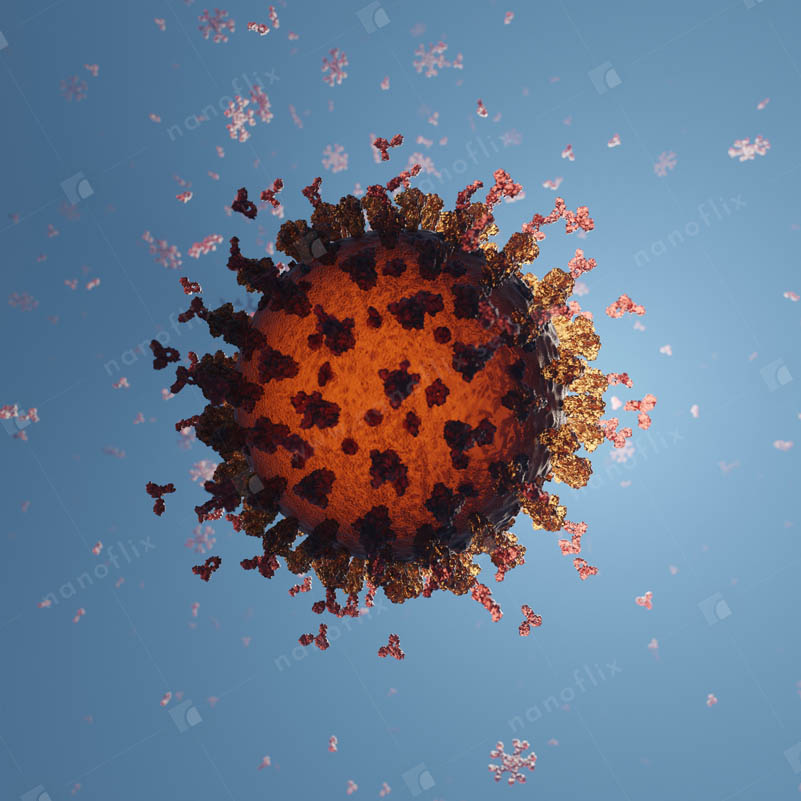
Together with B and T cells, antibodies comprise the most important part of the adaptive immune system. To allow the immune system to recognize millions of different antigens, the antigen-binding sites at both tips of the antibody come in an equally wide variety. In contrast, the remainder of the antibody is relatively constant. It only occurs in a few variants, which define the antibody’s class or isotype: IgA, IgD, IgE, IgG, or IgM.
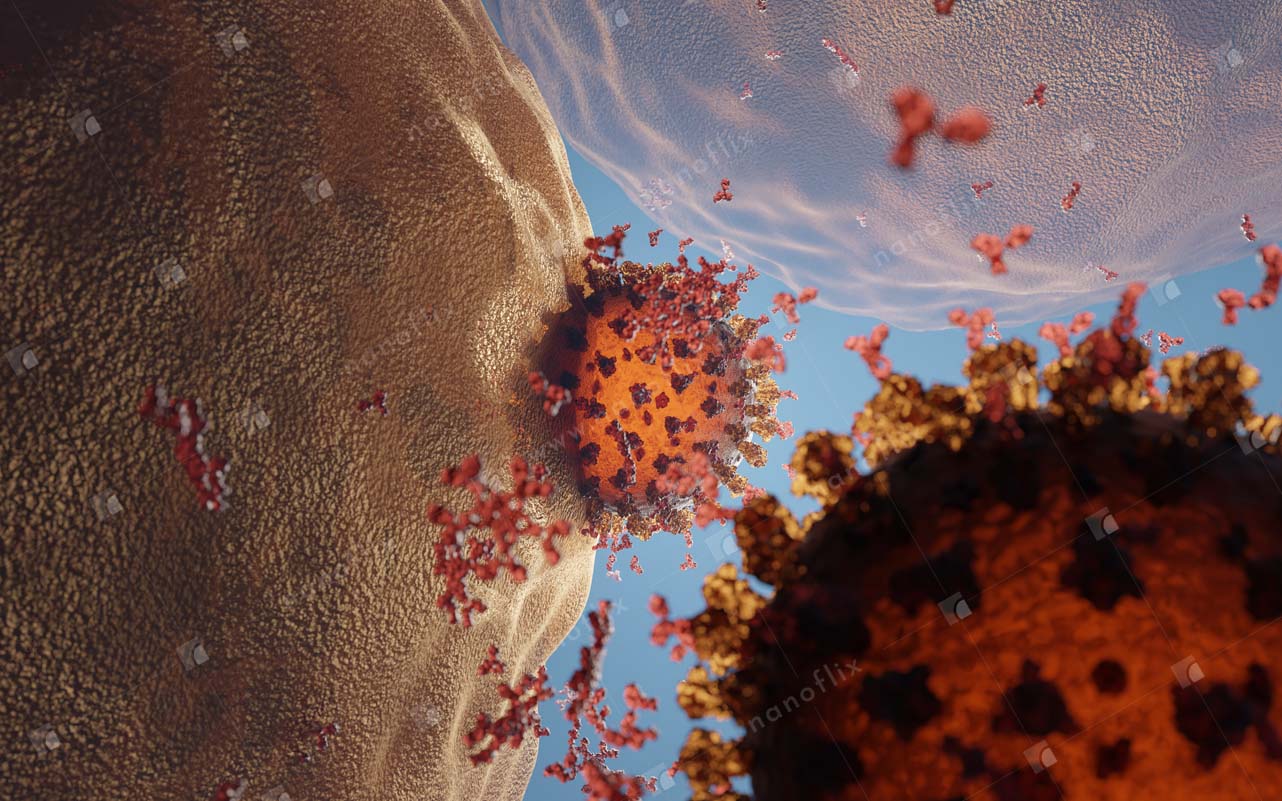
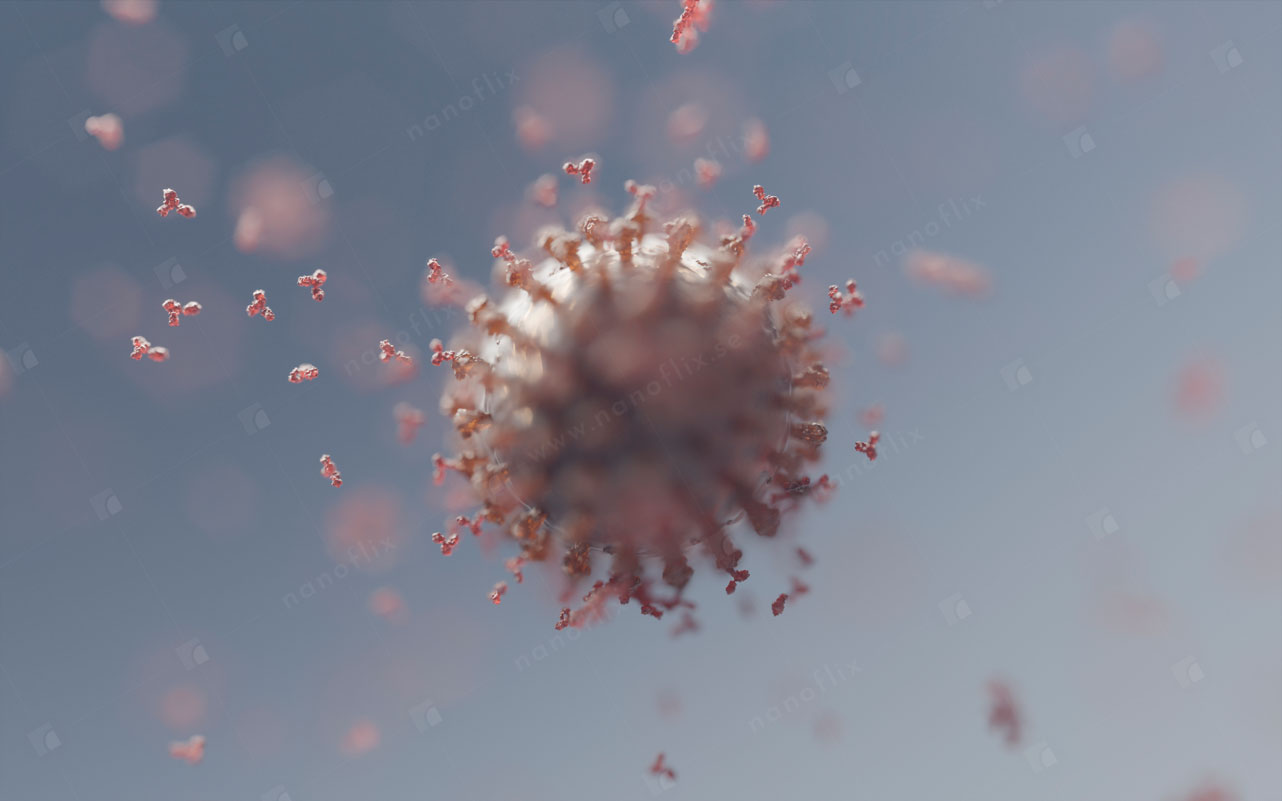
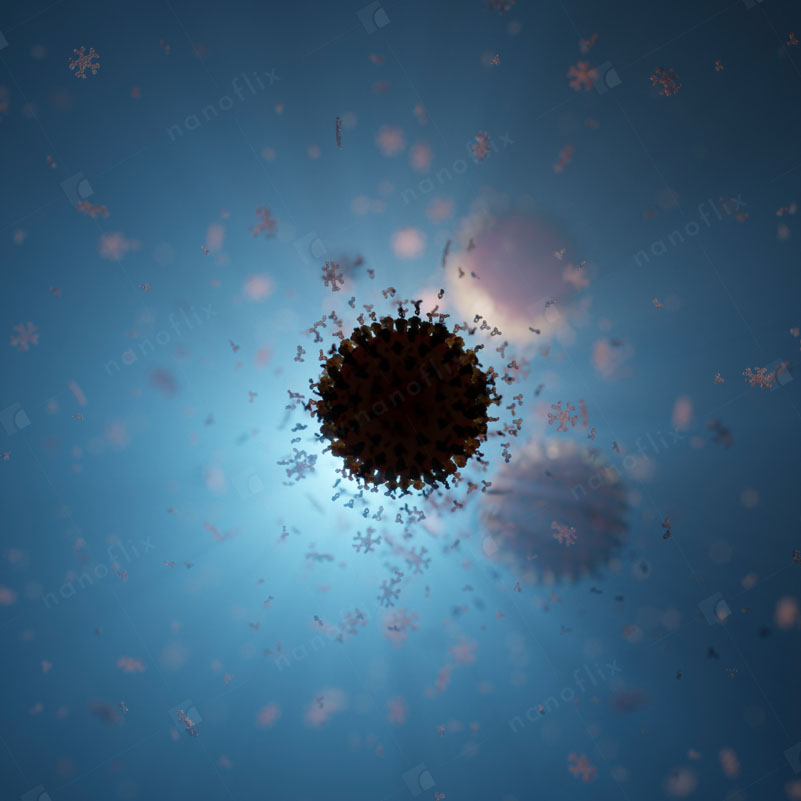
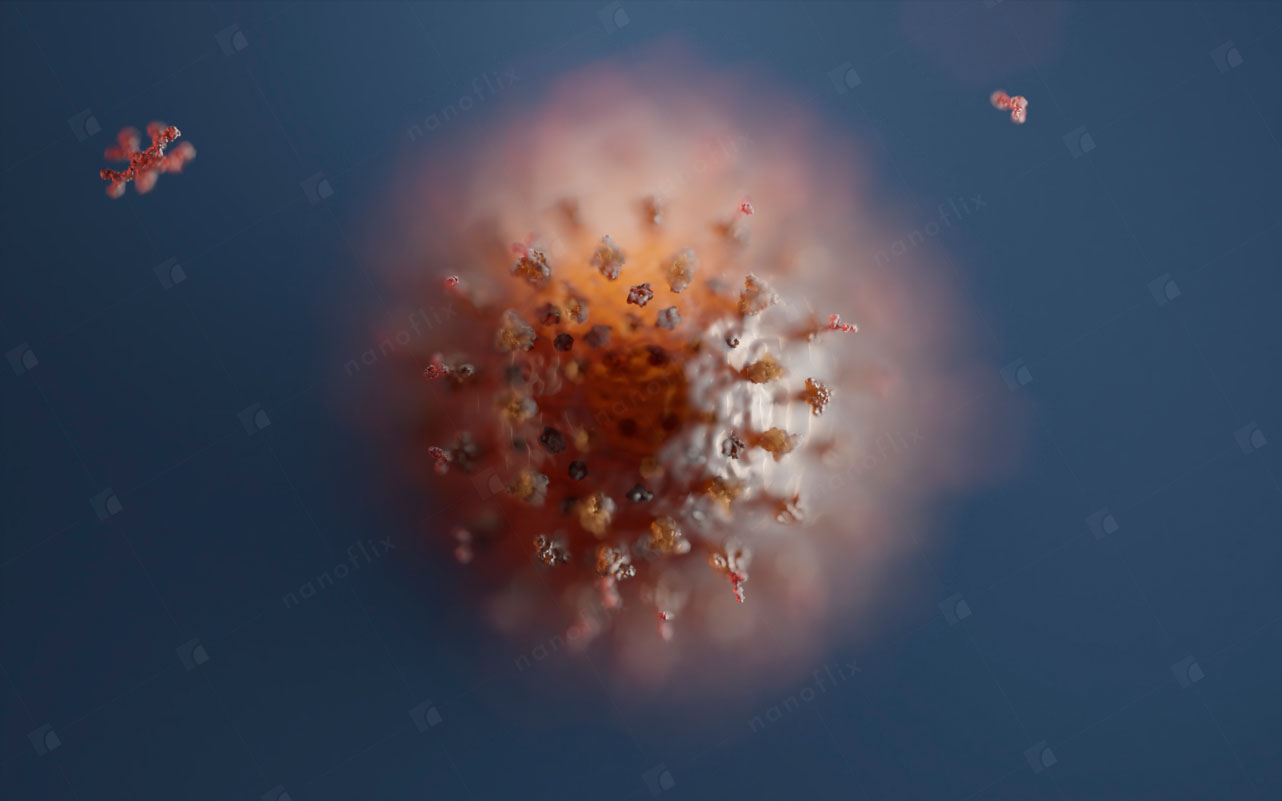
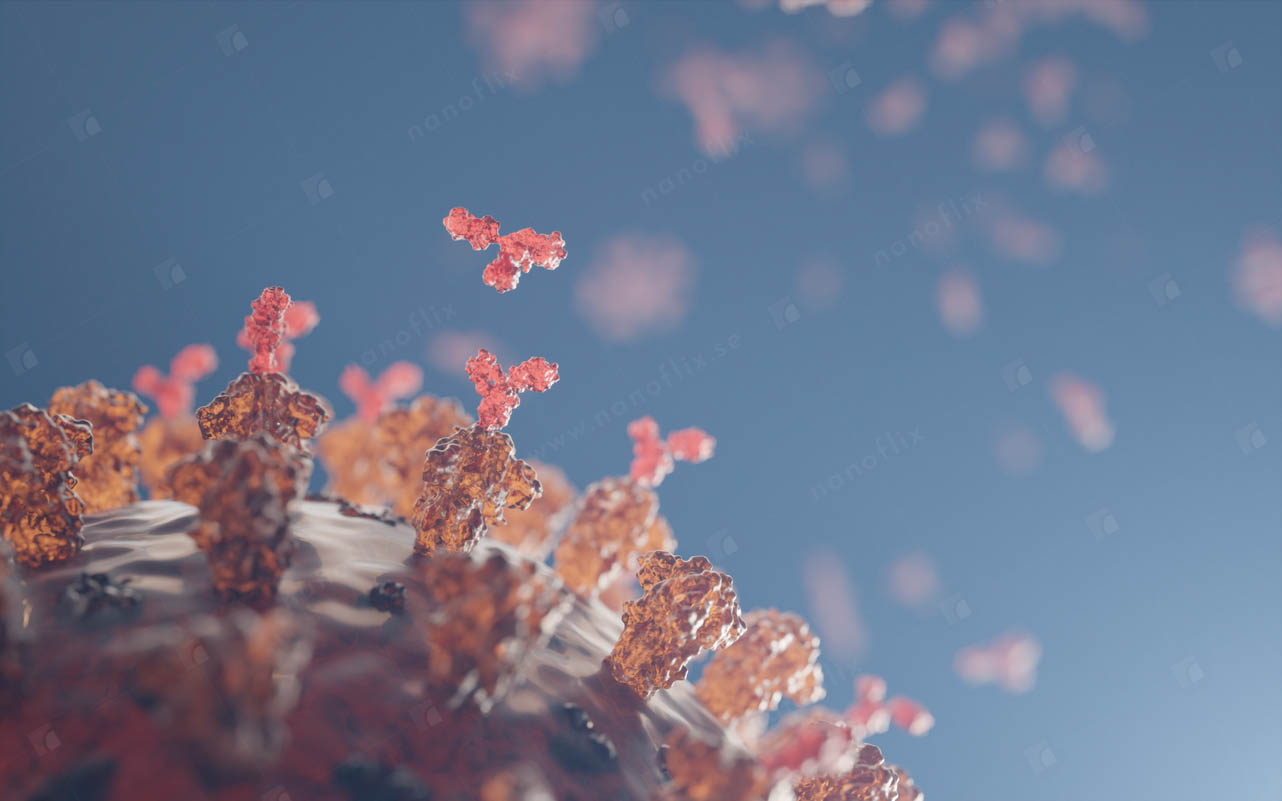
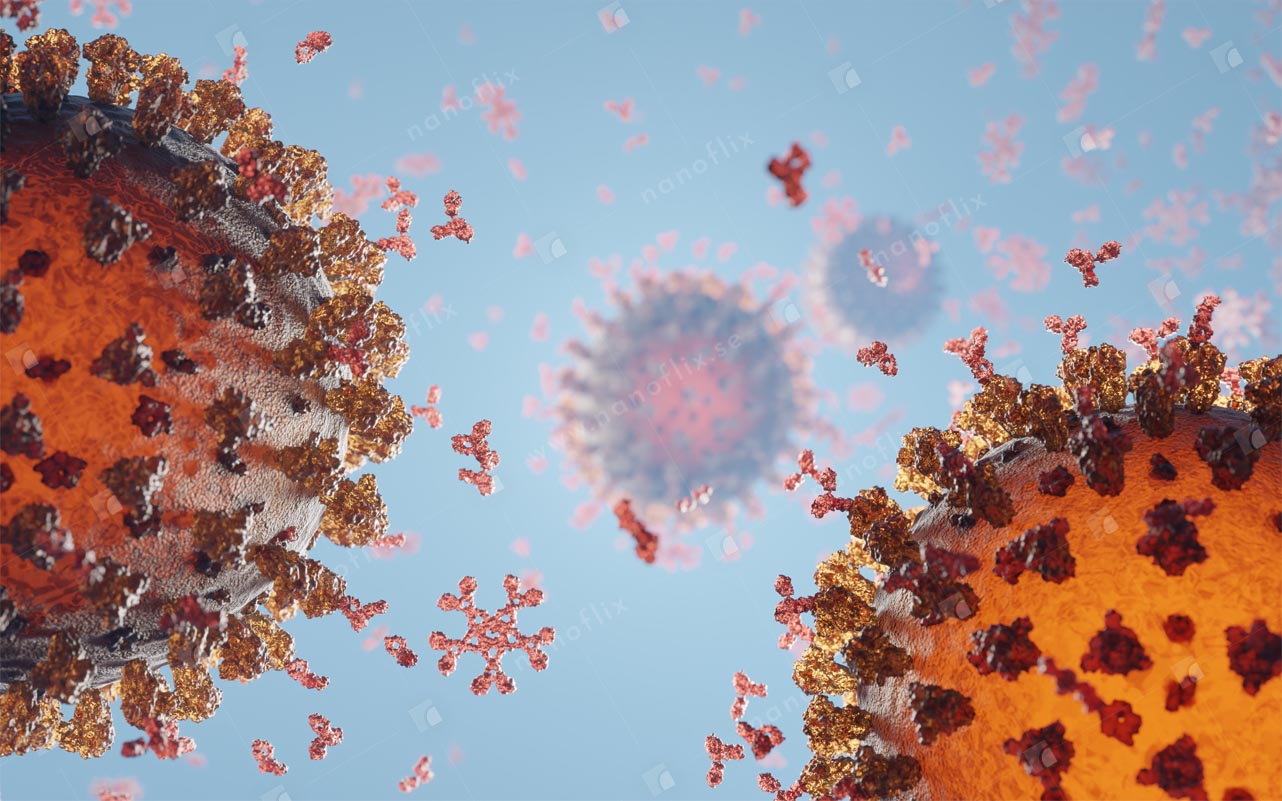
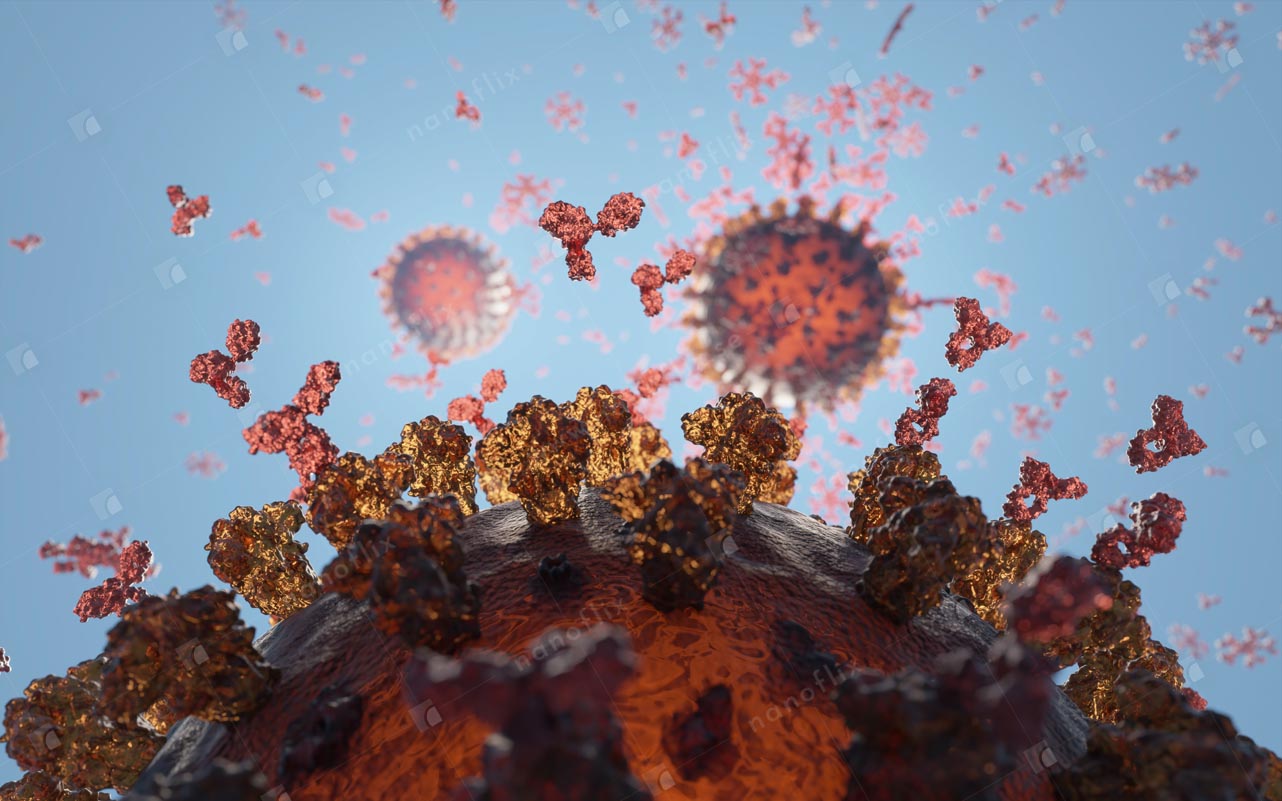
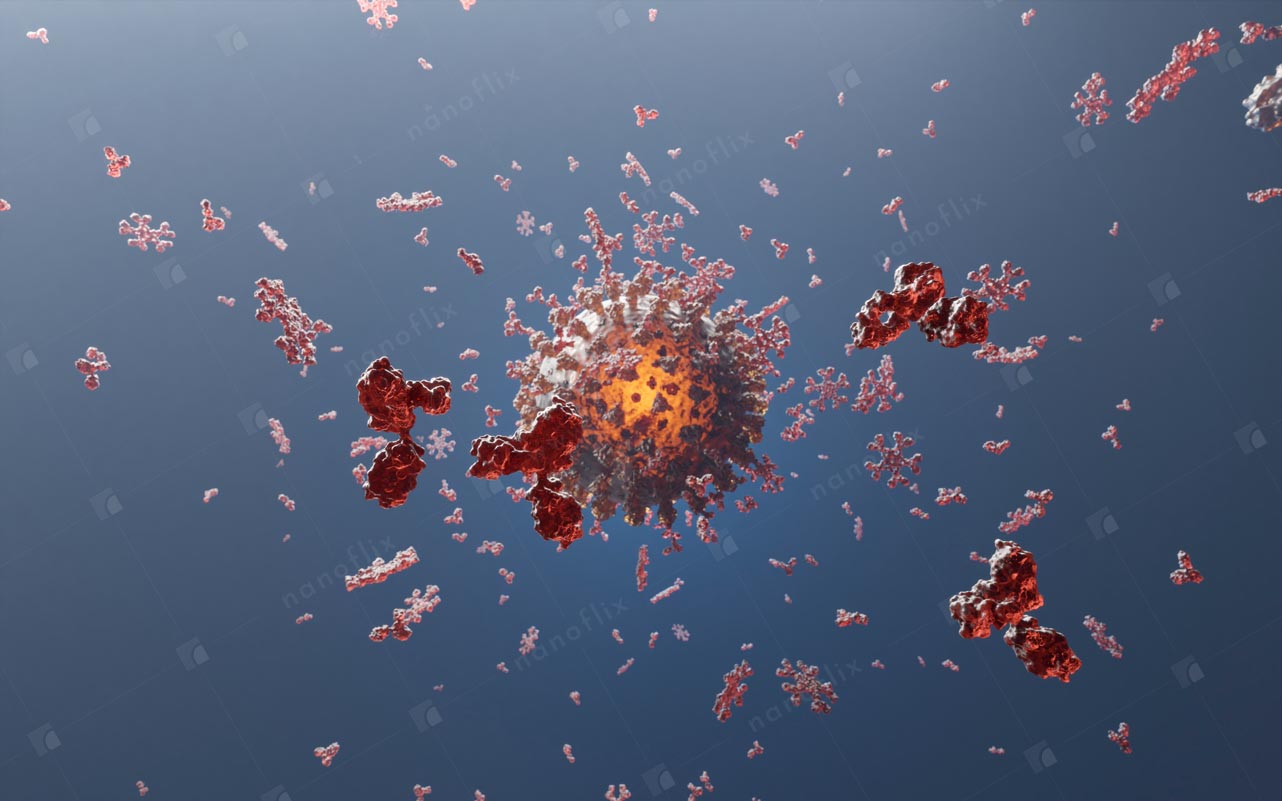
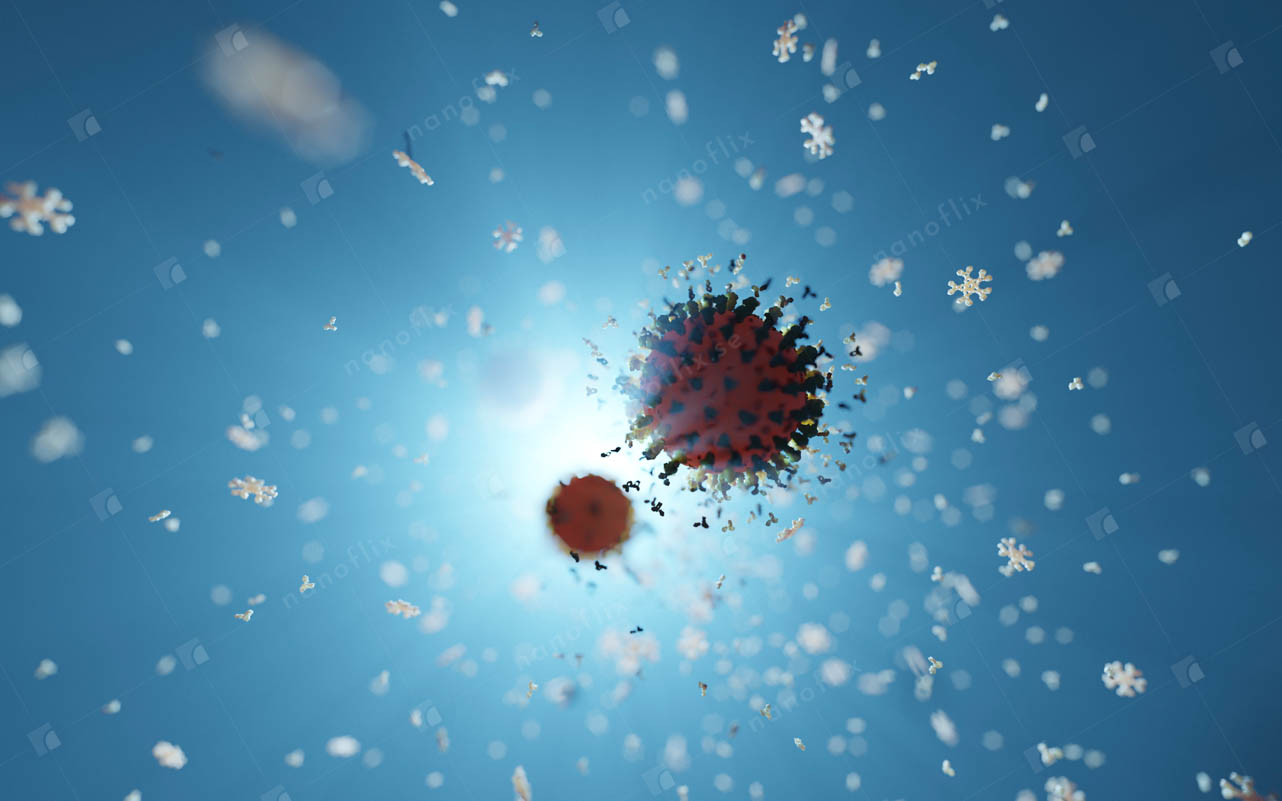
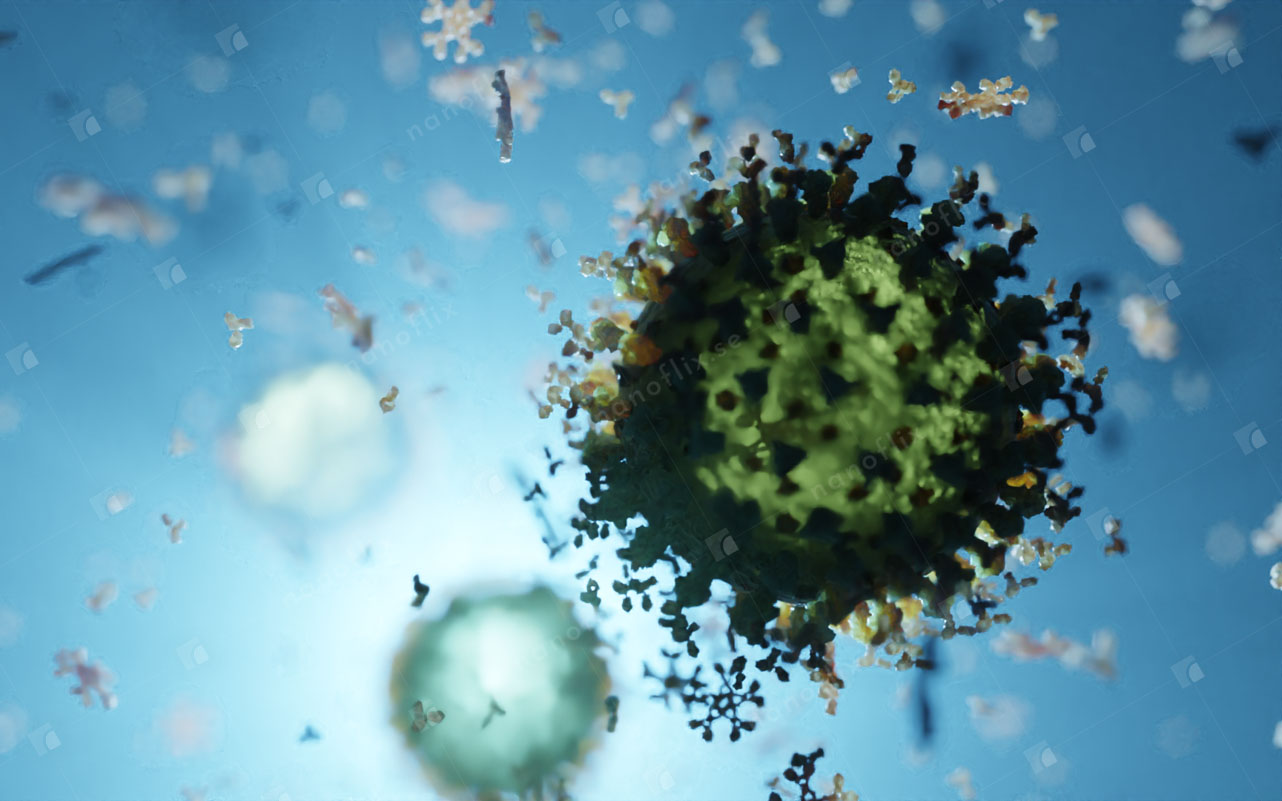
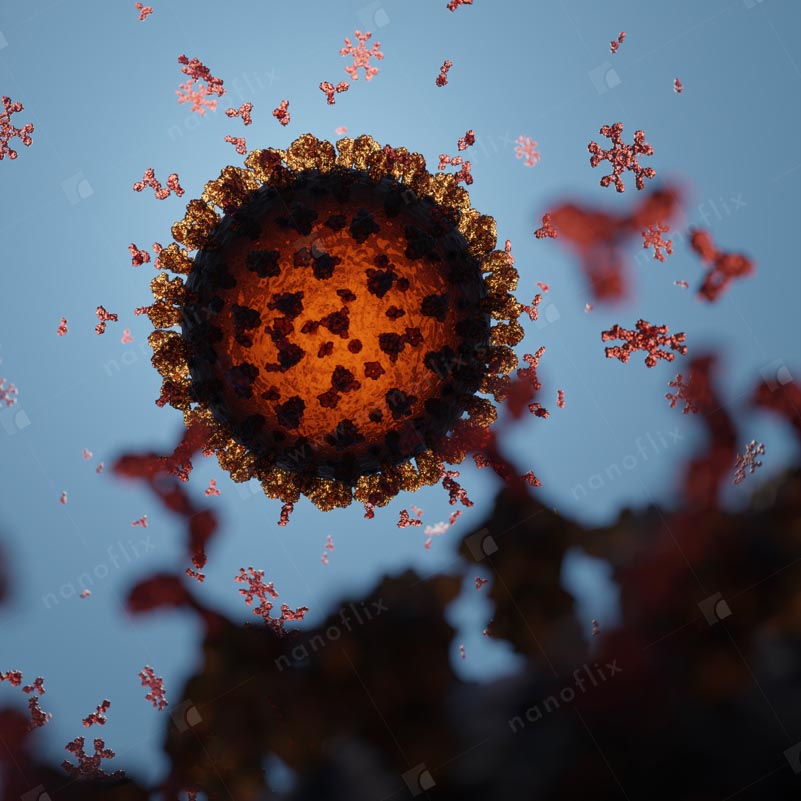
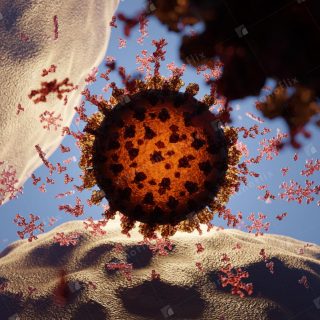
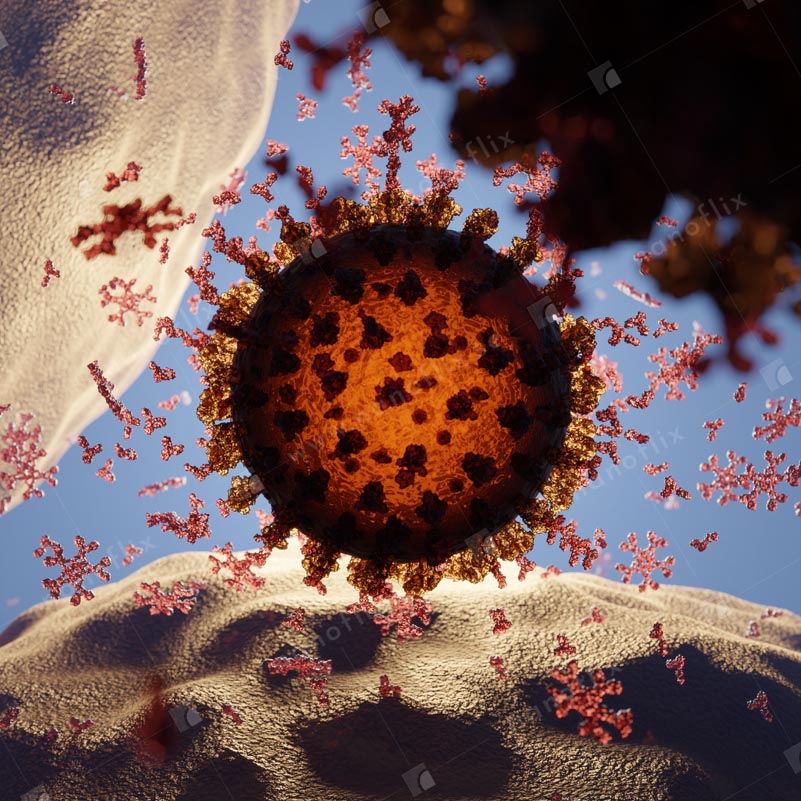
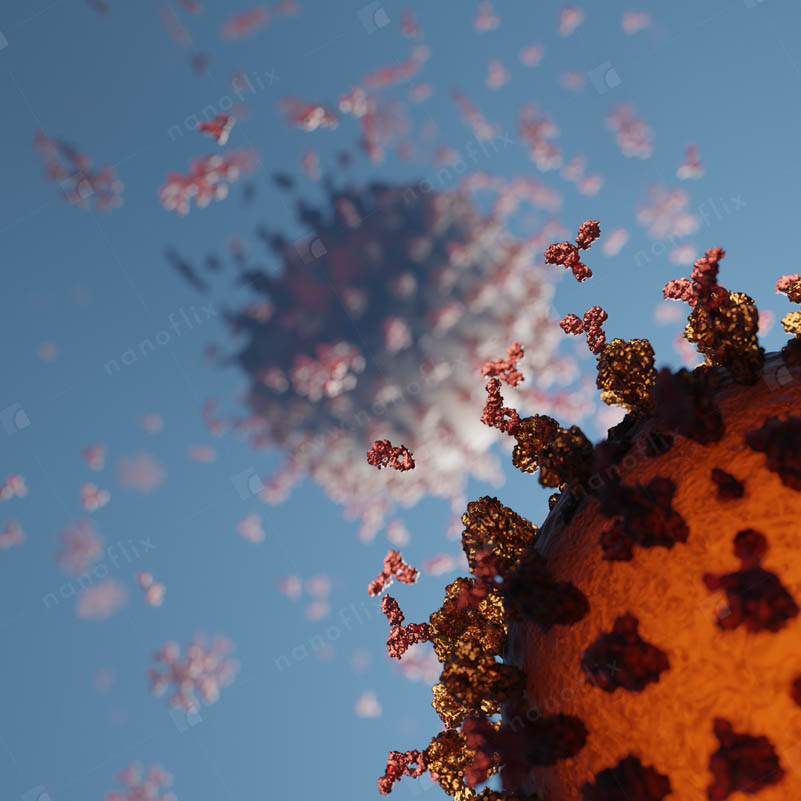
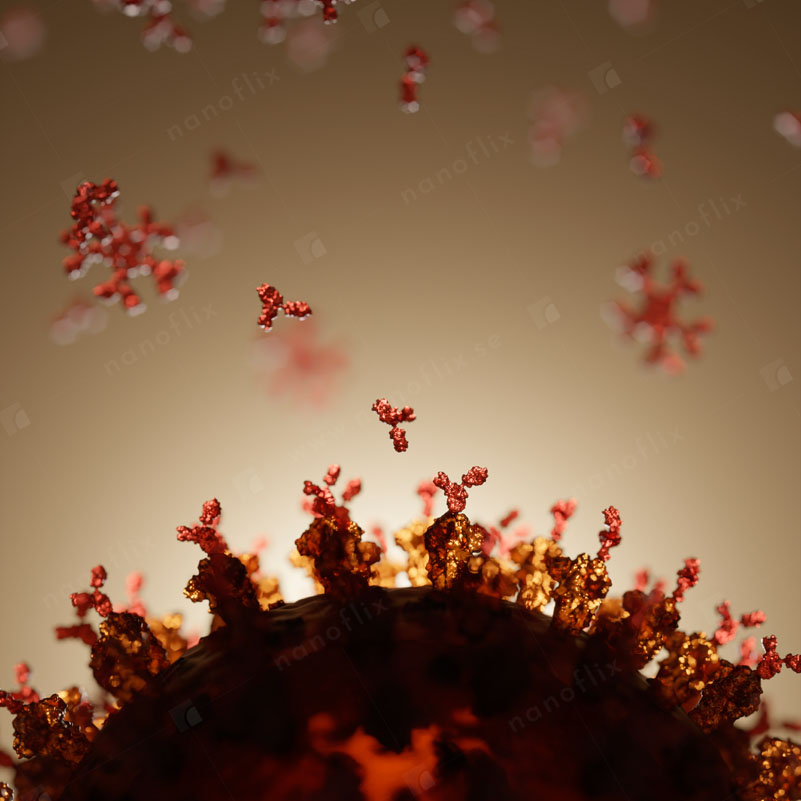
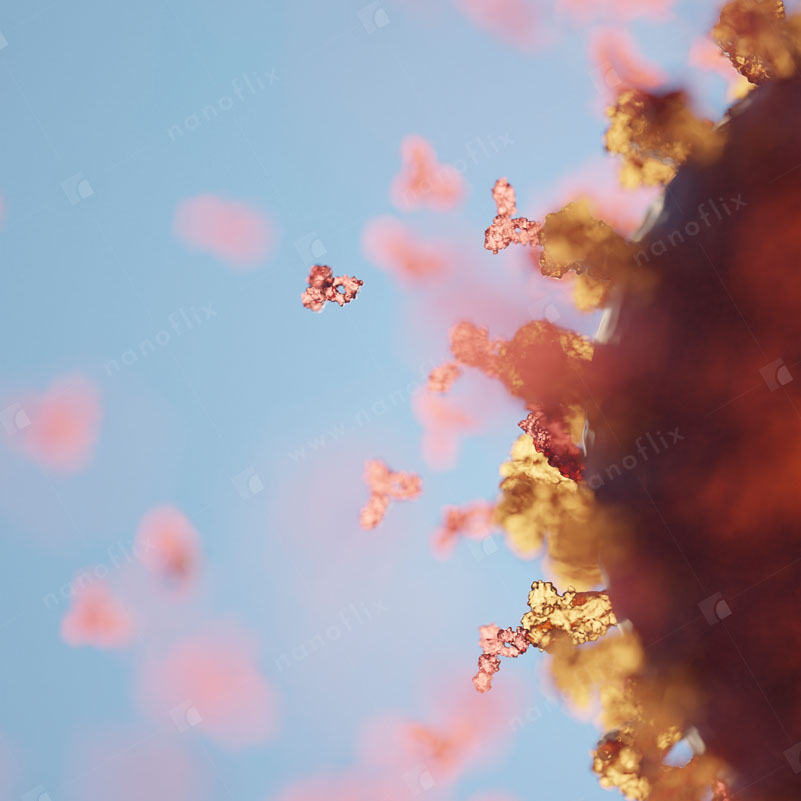
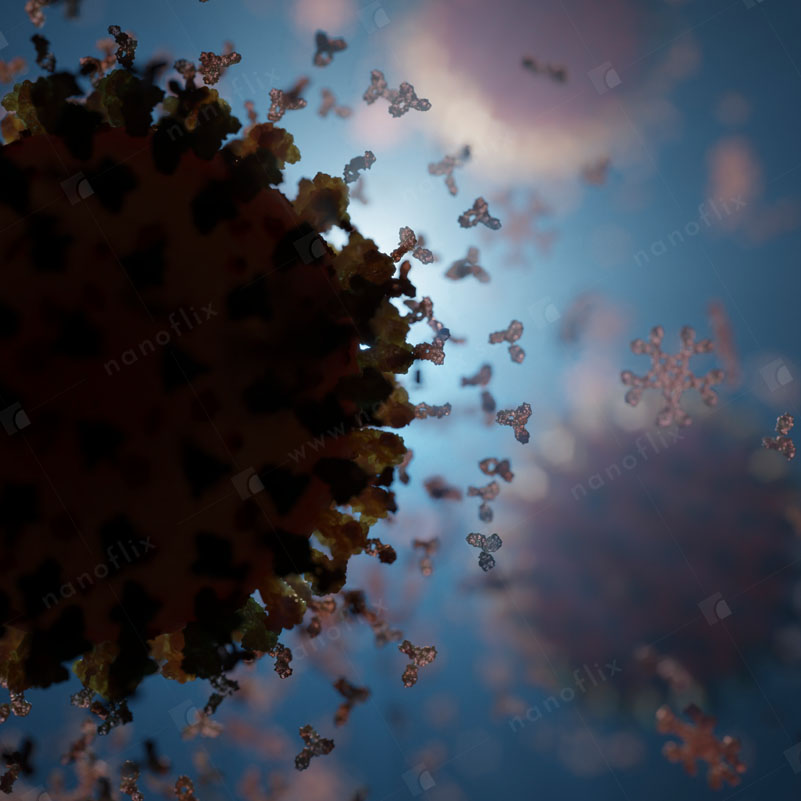
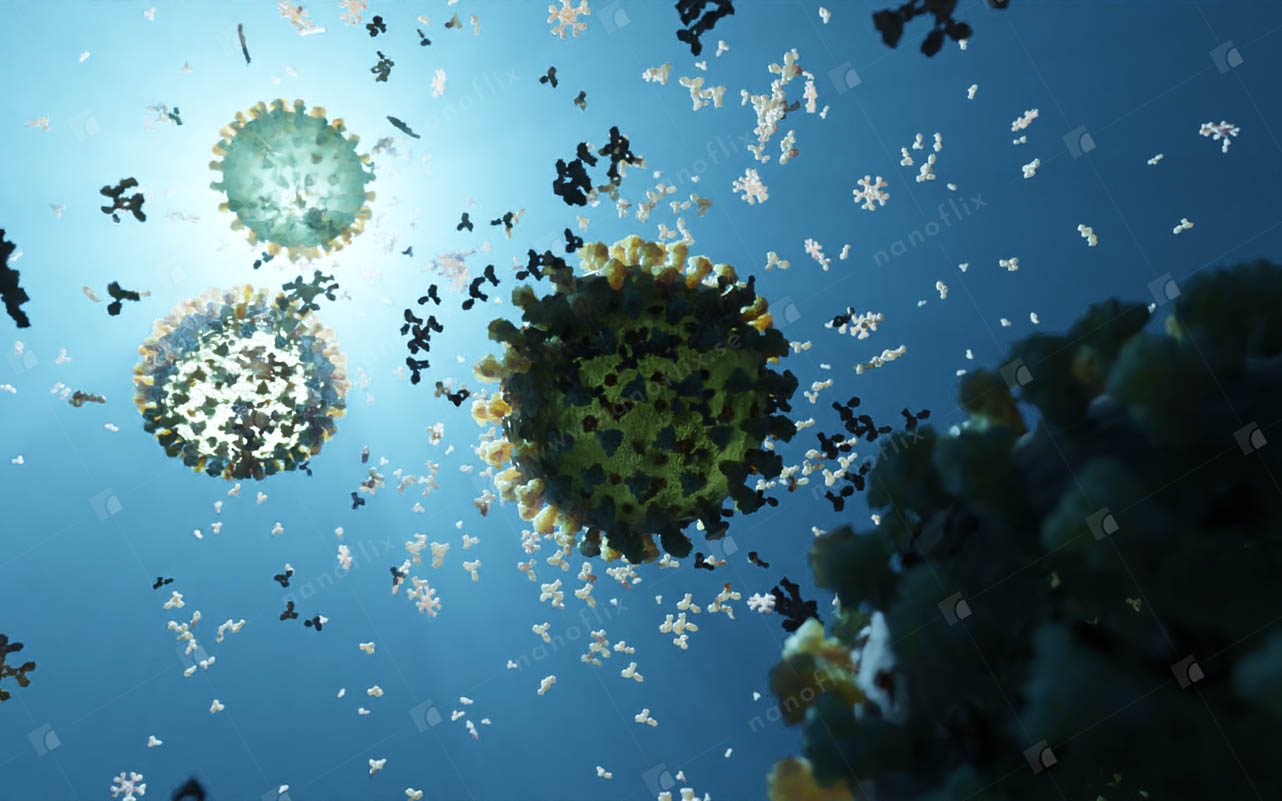
In the MOA (mechanism of action) animations (part 1 and 2) you can see two types of antibodies present (IgG and IgM). The abundant antibody IgG (single Y-unit) and IgM (pentamer with five Y-units). IgG antibodies are tagging the virus for destruction by binding to specific sites of the Corona virus (SARS-CoV-2) spike protein.
In the immune response against SARS-CoV-2, studies have shown that antibodies of type IgM and IgG are consistently detected after infection. Level of IgM is peaking between weeks two and five and declining over a further three- to five-week period post-symptom onset. IgG peaks between weeks three and seven post-symptom onset, persisting for at least eight weeks. The immune responses induced by vaccination has largely focussed on the development of antibodies targeting the S1 domain of the SARS-CoV-2 spike protein.
Generally IgM is specialized to activate complement efficiently upon binding antigen. IgG antibodies are usually of higher affinity and are found in blood and in extracellular fluid, where they can neutralize toxins, viruses, and bacteria, tag them for phagocytosis, and activate the complement system.
-
- © 2021 Nanoflix/Jakob Hall
-
- © 2021 Nanoflix/Jakob Hall
-
- © 2021 Nanoflix/Jakob Hall
-
- © 2021 Nanoflix/Jakob Hall
-
- © 2021 Nanoflix/Jakob Hall
-
- © 2021 Nanoflix/Jakob Hall
-
- © 2021 Nanoflix/Jakob Hall
-
- © 2021 Nanoflix/Jakob Hall
-
- © 2021 Nanoflix/Jakob Hall
-
- © 2021 Nanoflix/Jakob Hall
-
- © 2021 Nanoflix/Jakob Hall
-
- © 2021 Nanoflix/Jakob Hall
-
- © 2021 Nanoflix/Jakob Hall
-
- © 2021 Nanoflix/Jakob Hall
-
- © 2021 Nanoflix/Jakob Hall
-
- © 2021 Nanoflix/Jakob Hall
-
- © 2021 Nanoflix/Jakob Hall
-
- © 2021 Nanoflix/Jakob Hall