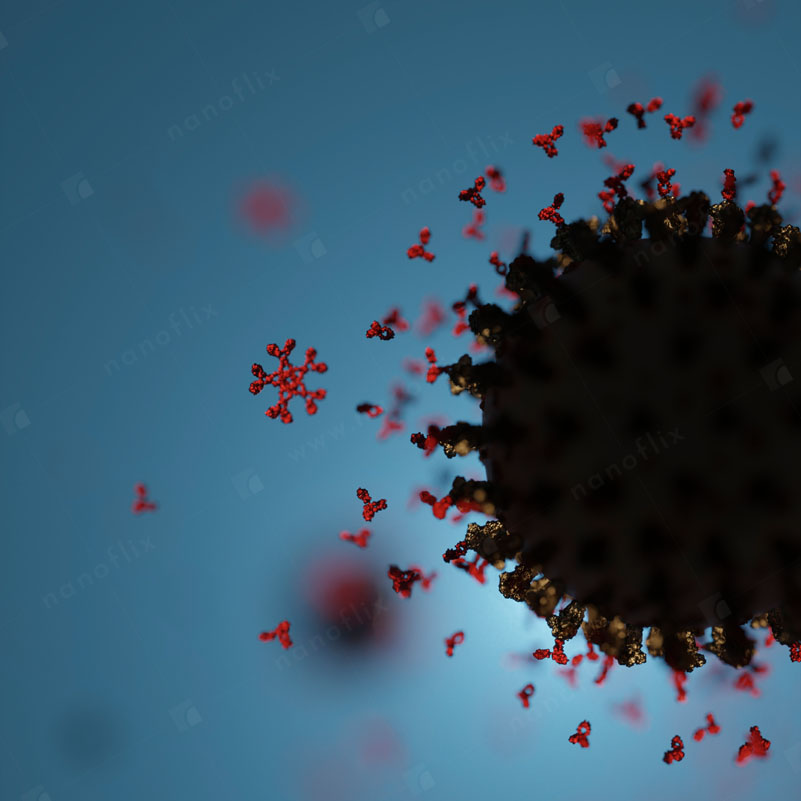
Severe acute respiratory syndrome coronavirus 2 (SARS‑CoV‑2) is the coronavirus that causes COVID-19 (coronavirus disease 2019), the respiratory illness responsible for the ongoing COVID-19 pandemic.
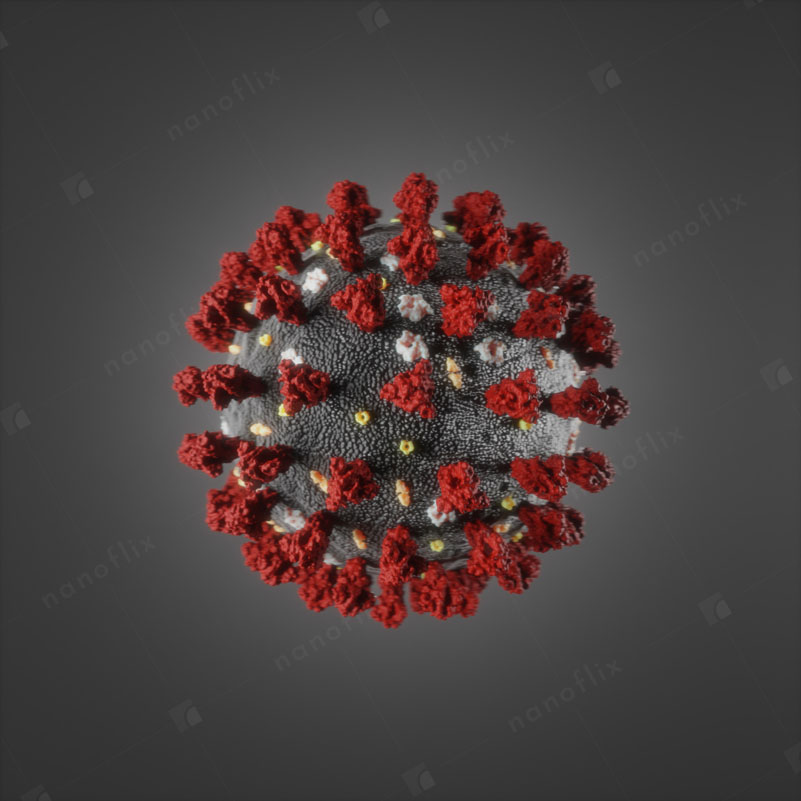
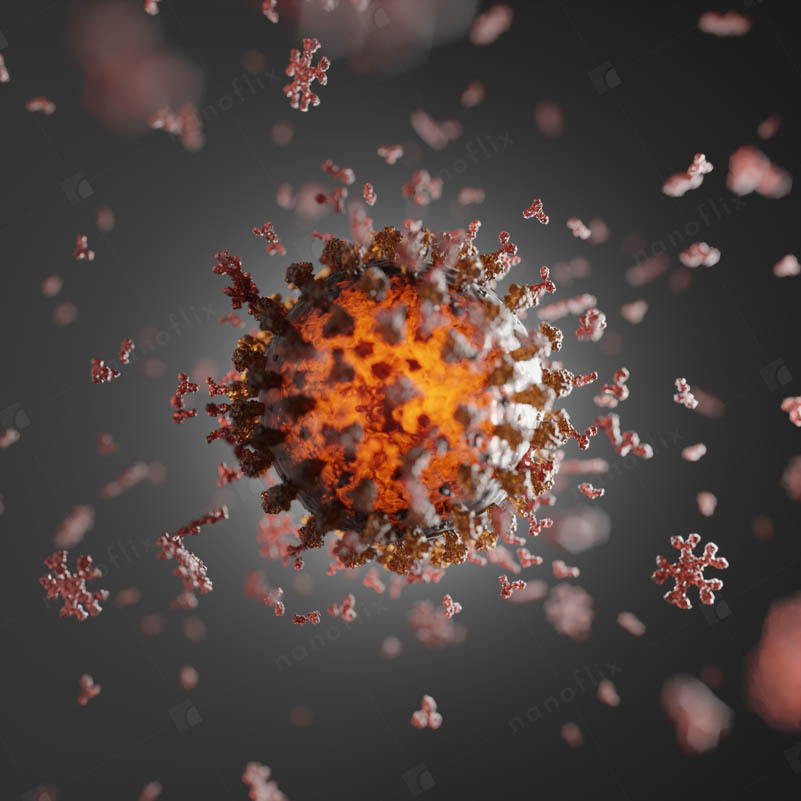
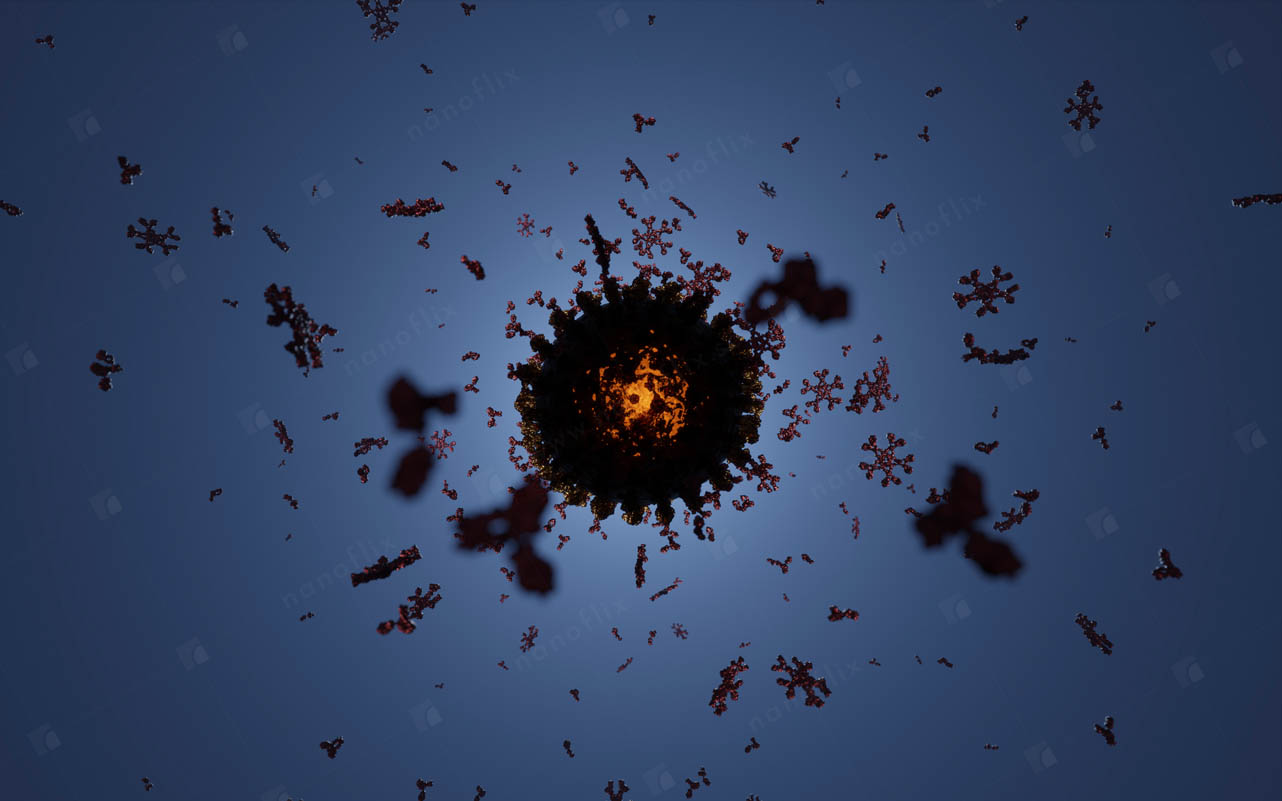
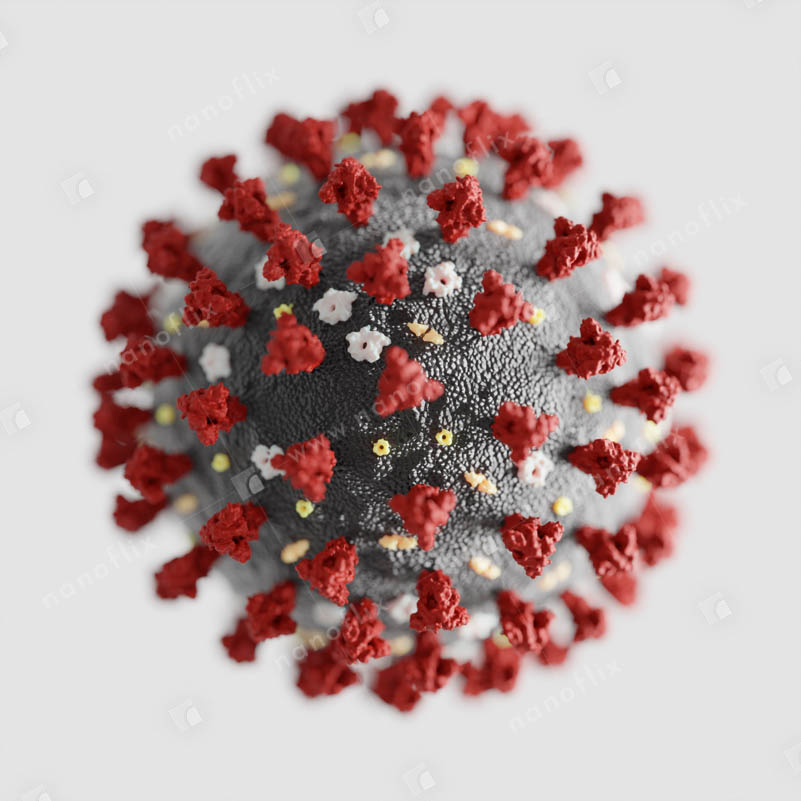
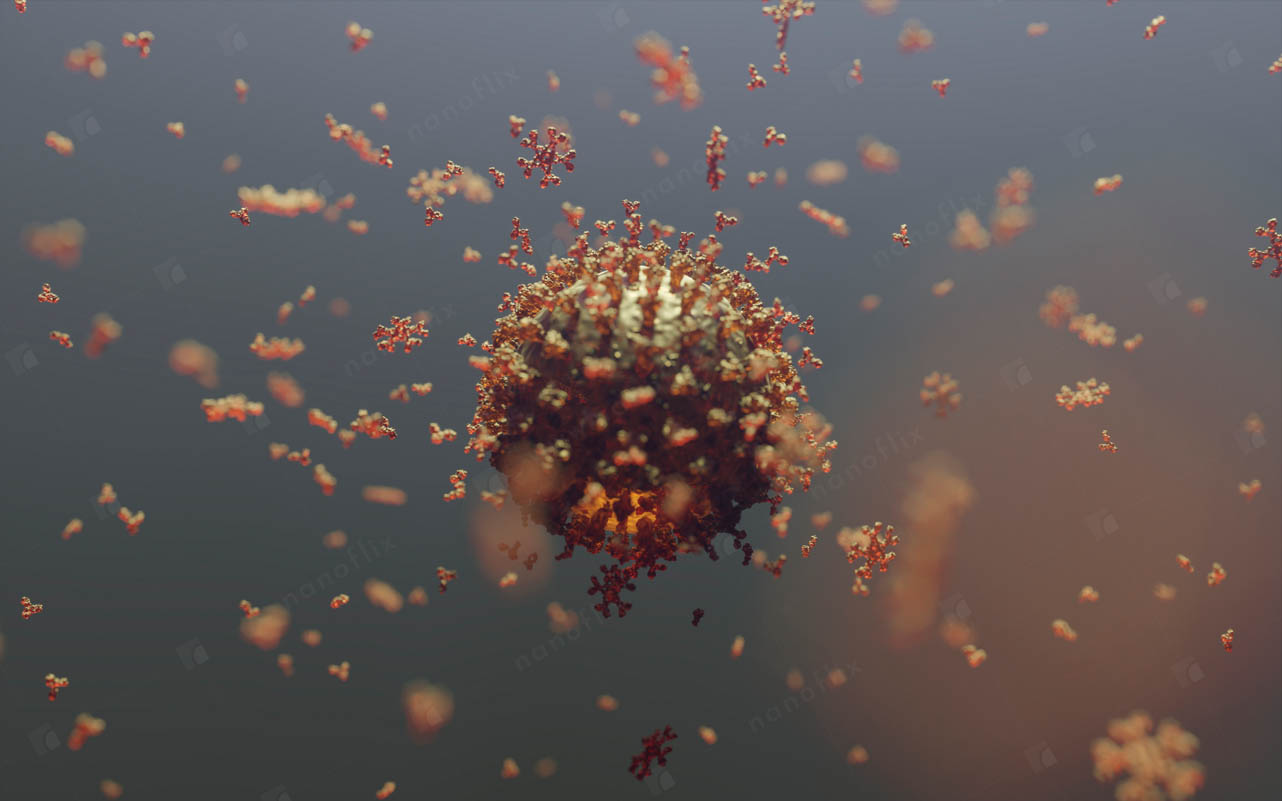
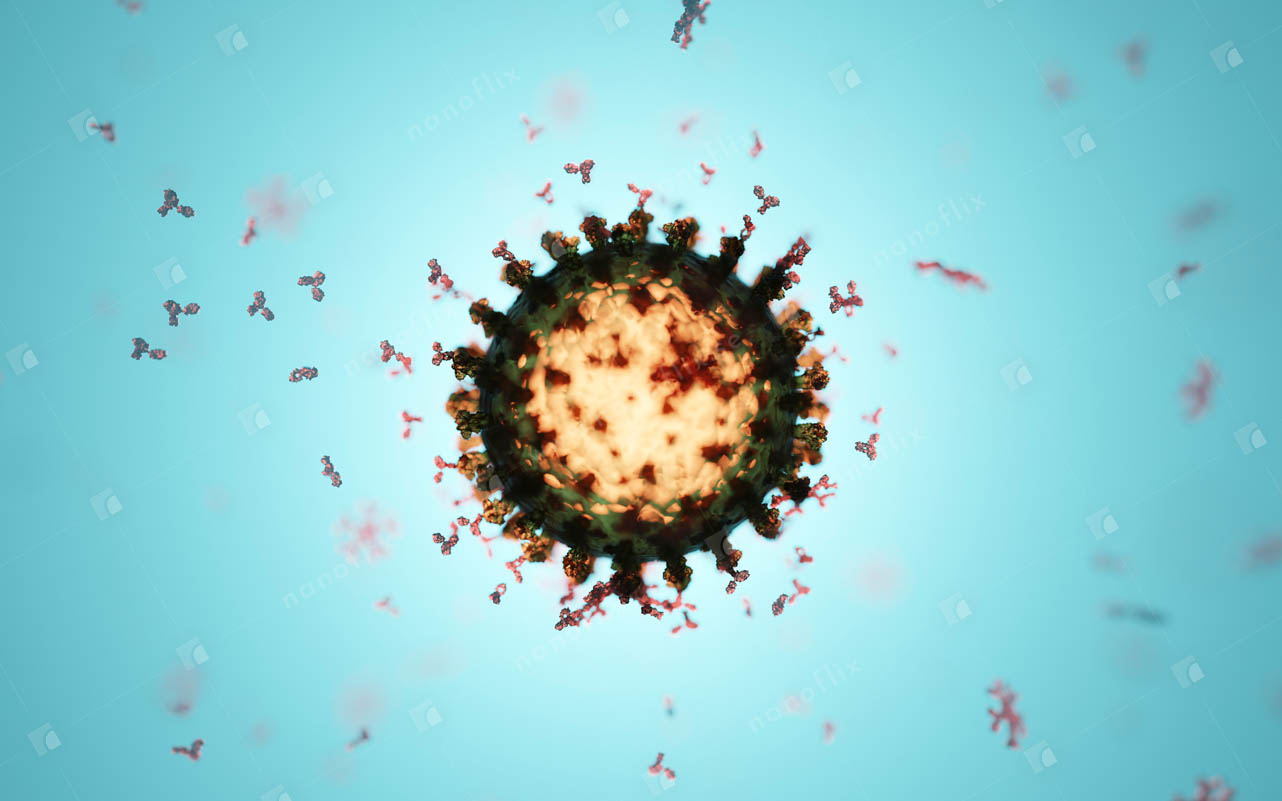
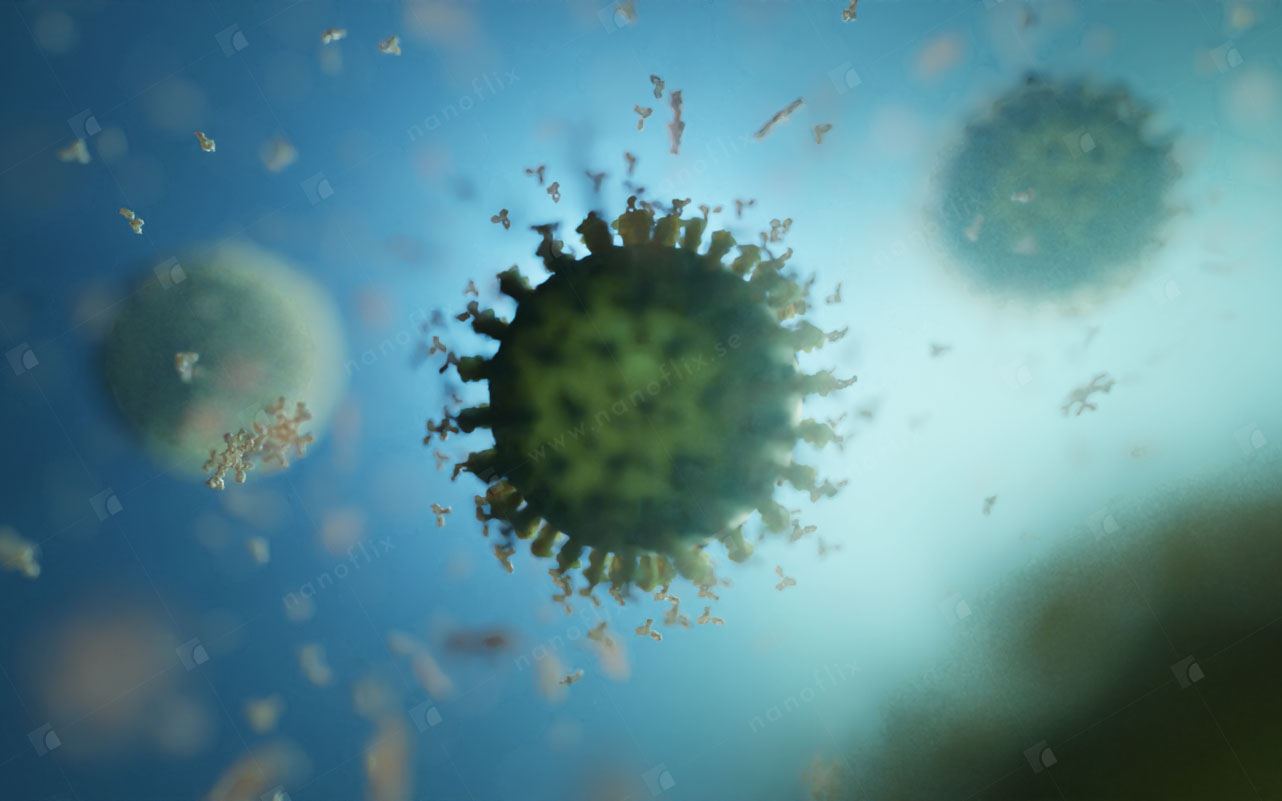
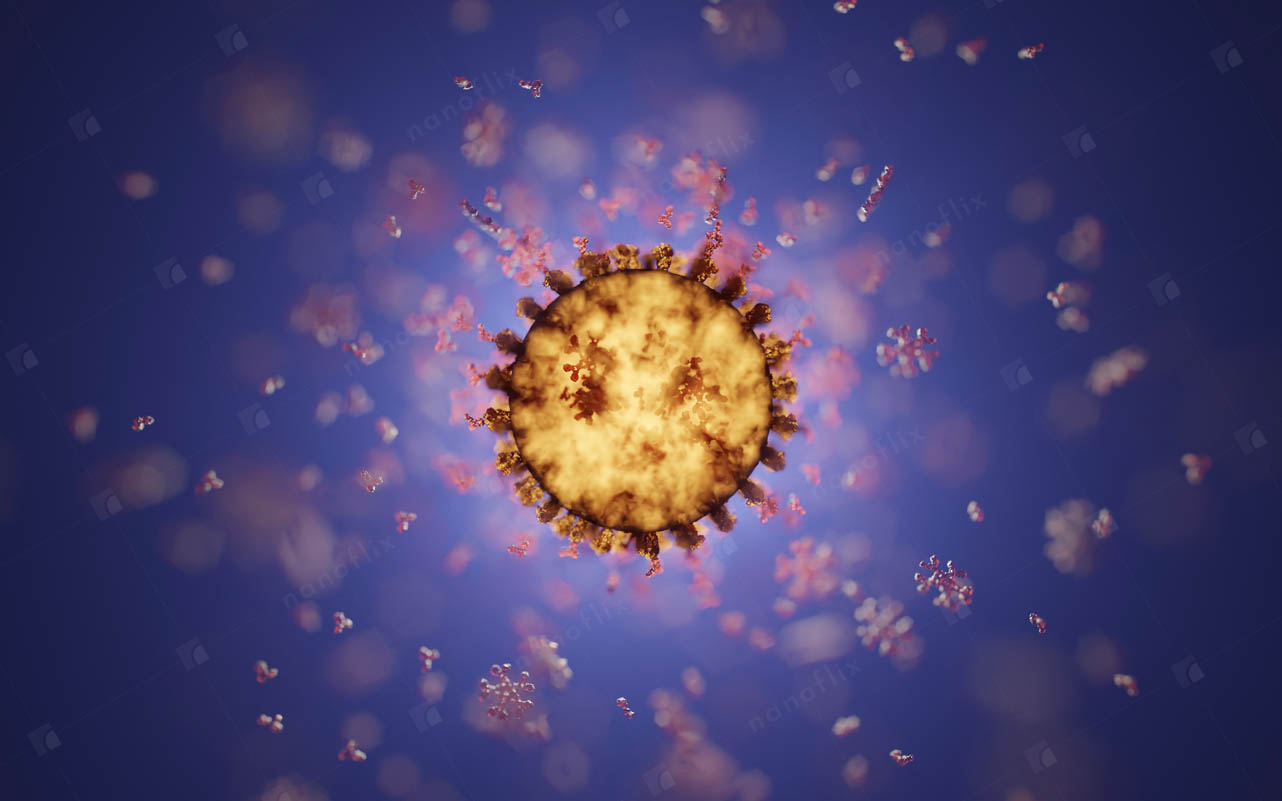
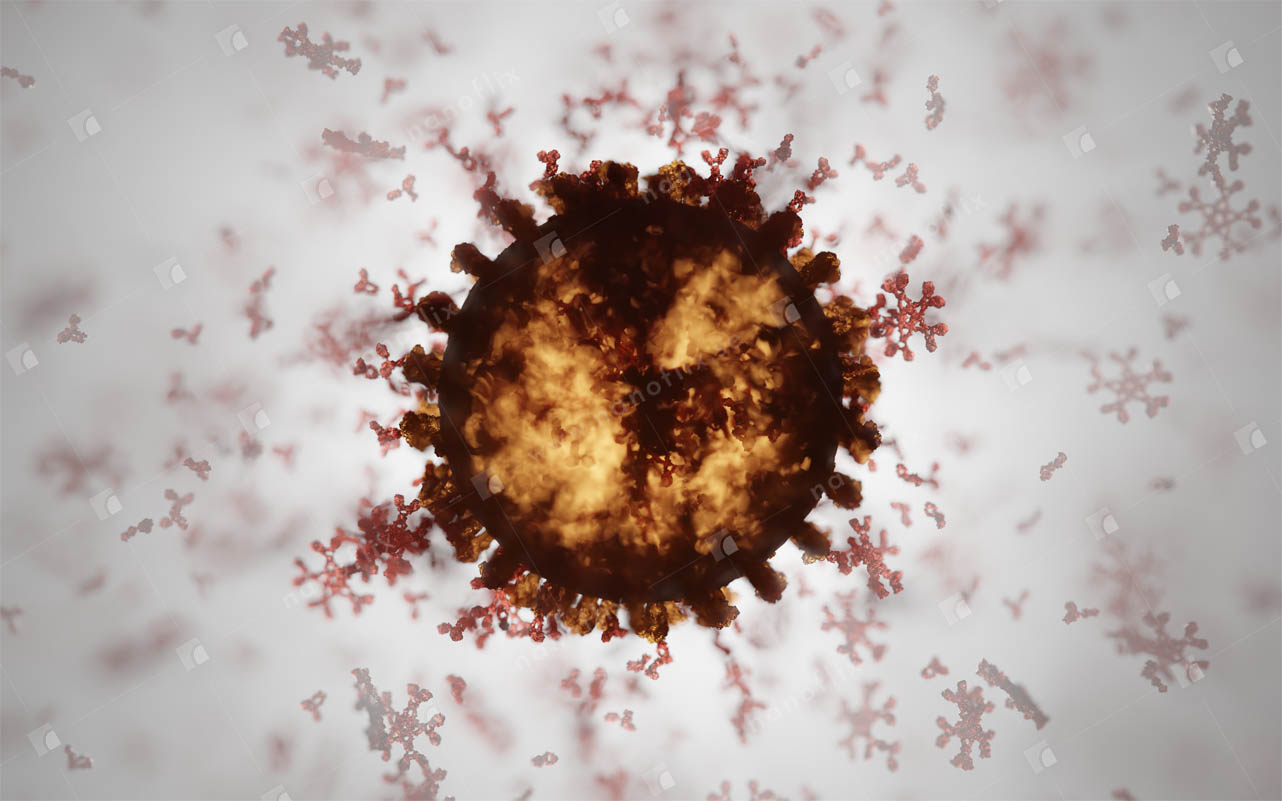
SARS‑CoV‑2 is a positive-sense single-stranded RNA virus and has a lipid bilayer envelope. Each SARS-CoV-2 virion is 50–200 nanometers in diameter. Like other coronaviruses, SARS-CoV-2 has four structural proteins, known as the S (spike), E (envelope), M (membrane), and N (nucleocapsid) proteins. The N protein holds the RNA genome, and the S, E, and M proteins together with the lipid bilayer create the viral envelope.
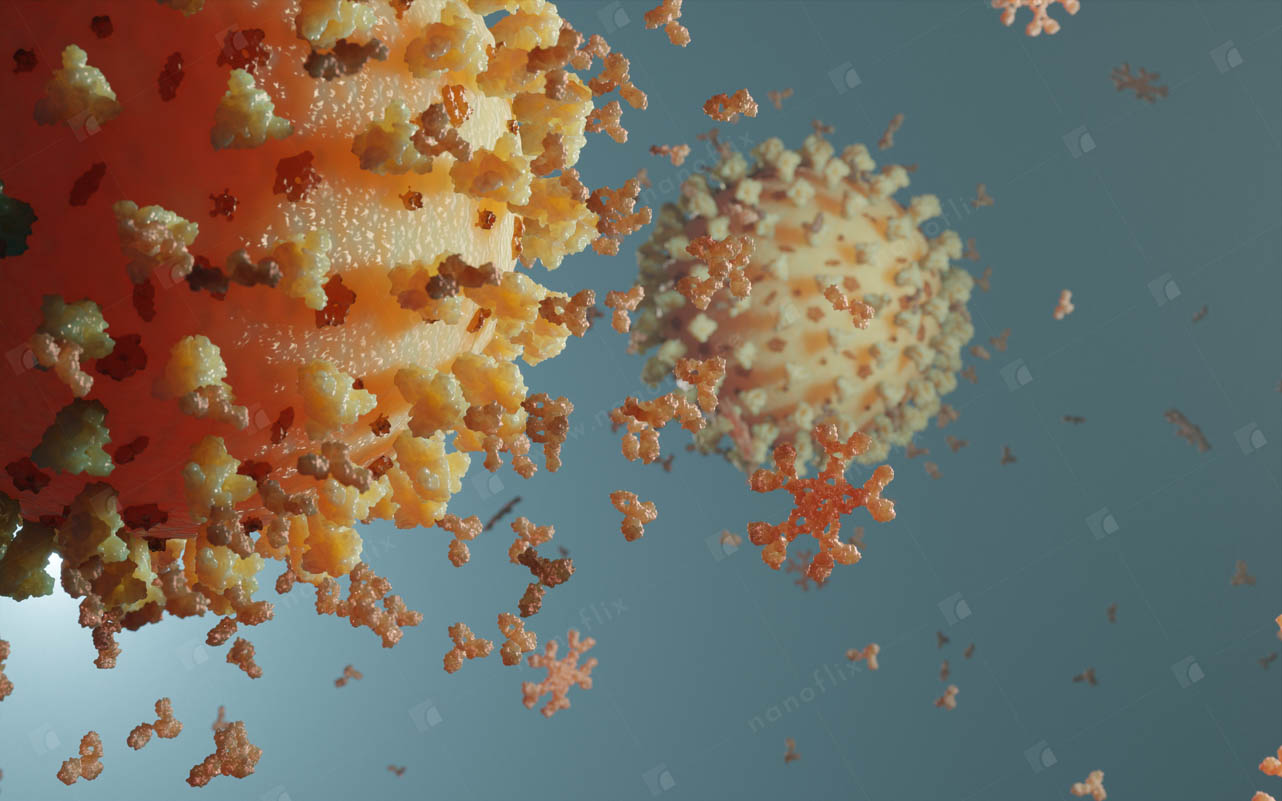
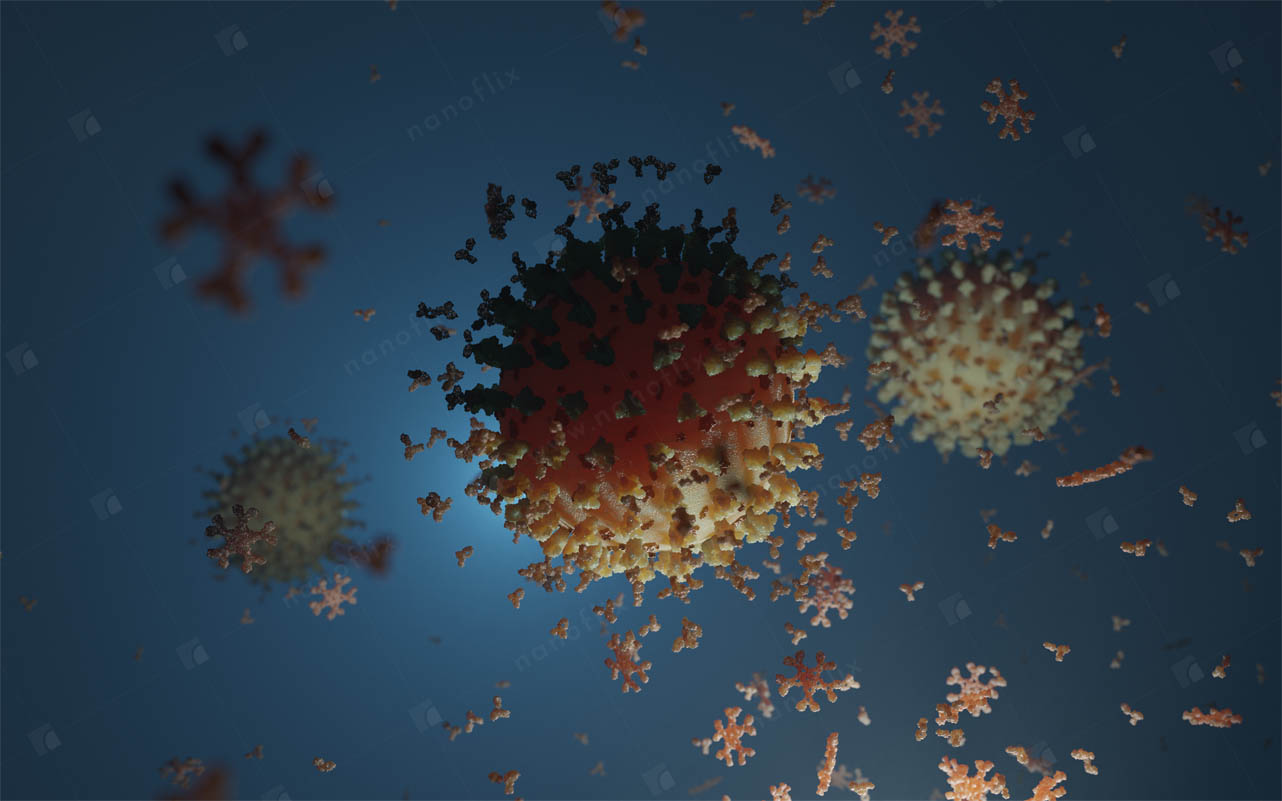
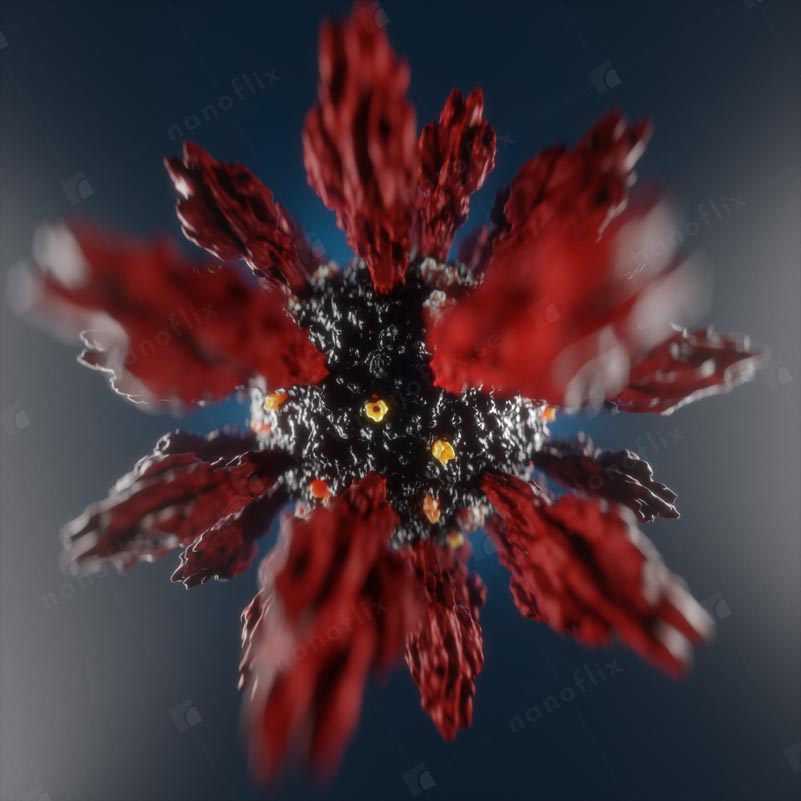
In SARS-CoV-2, the spike protein is the protein responsible for allowing the virus to attach to and fuse with the membrane of a host cell. Virus infections start when viral particles bind to host surface cellular receptors. Protein modeling experiments on the spike protein of the virus soon suggested that SARS‑CoV‑2 has sufficient affinity to the receptor angiotensin converting enzyme 2 (ACE2) on human cells to use them as a mechanism of cell entry.
-
- © 2021 Nanoflix/Jakob Hall
-
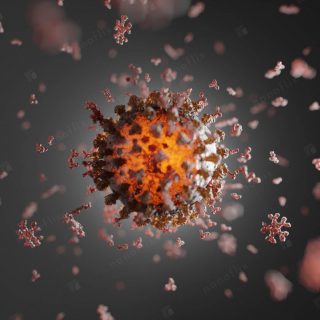
- © 2021 Nanoflix/Jakob Hall
-
- © 2021 Nanoflix/Jakob Hall
-
- © 2021 Nanoflix/Jakob Hall

-

- © 2021 Nanoflix/Jakob Hall

-

- © 2021 Nanoflix/Jakob Hall

-

- © 2021 Nanoflix/Jakob Hall

-
- © 2021 Nanoflix/Jakob Hall
-

- © 2021 Nanoflix/Jakob Hall

-
- © 2021 Nanoflix/Jakob Hall
-
- © 2021 Nanoflix/Jakob Hall
-
- © 2021 Nanoflix/Jakob Hall
-
- © 2021 Nanoflix/Jakob Hall
-
- © 2021 Nanoflix/Jakob Hall
-
- © 2021 Nanoflix/Jakob Hall
-
- © 2021 Nanoflix/Jakob Hall
-
- © 2021 Nanoflix/Jakob Hall
-
- © 2021 Nanoflix/Jakob Hall