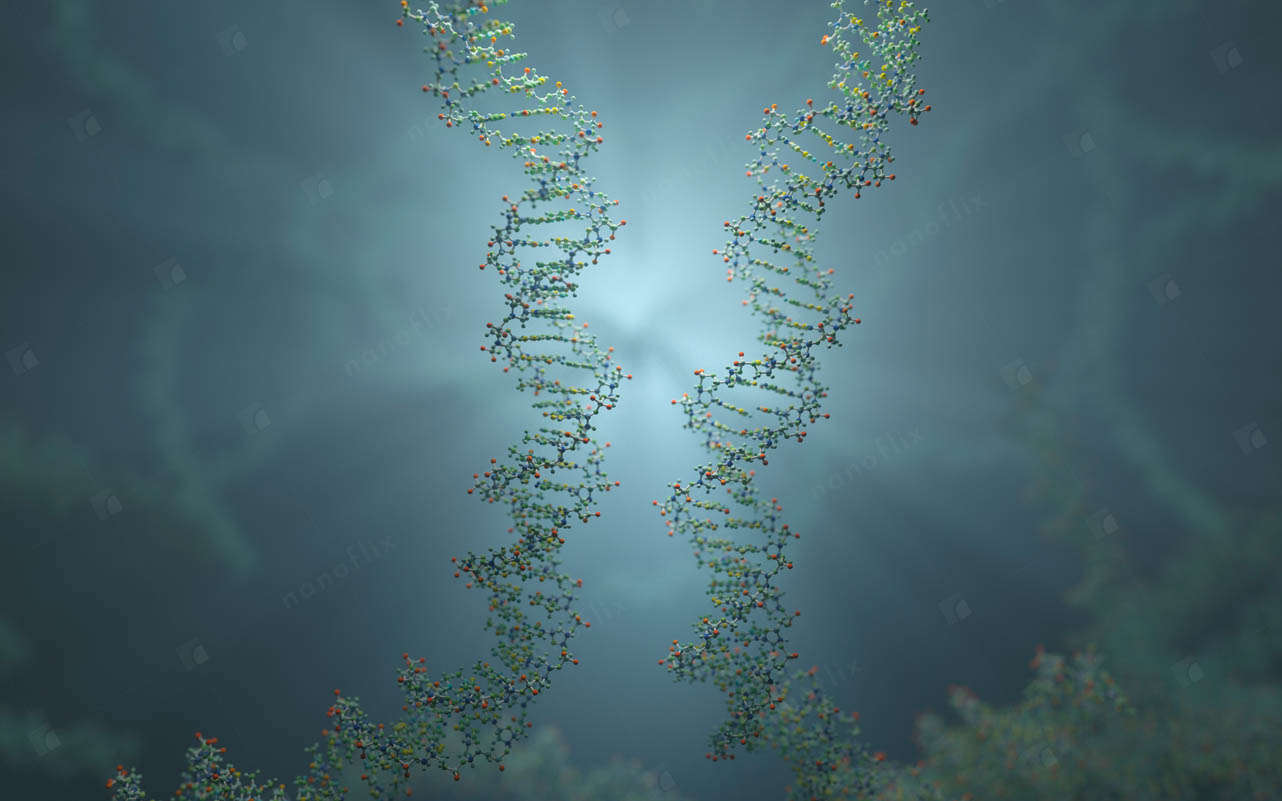
THE DNA DOUBLE HELIX
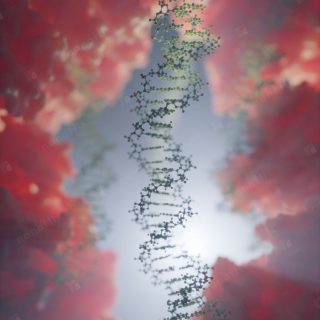
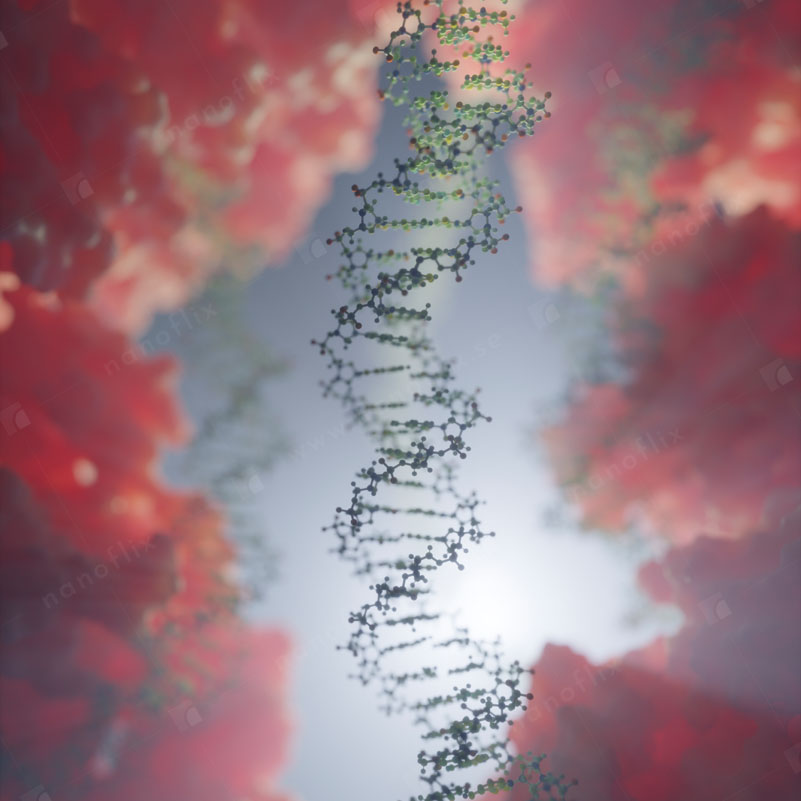
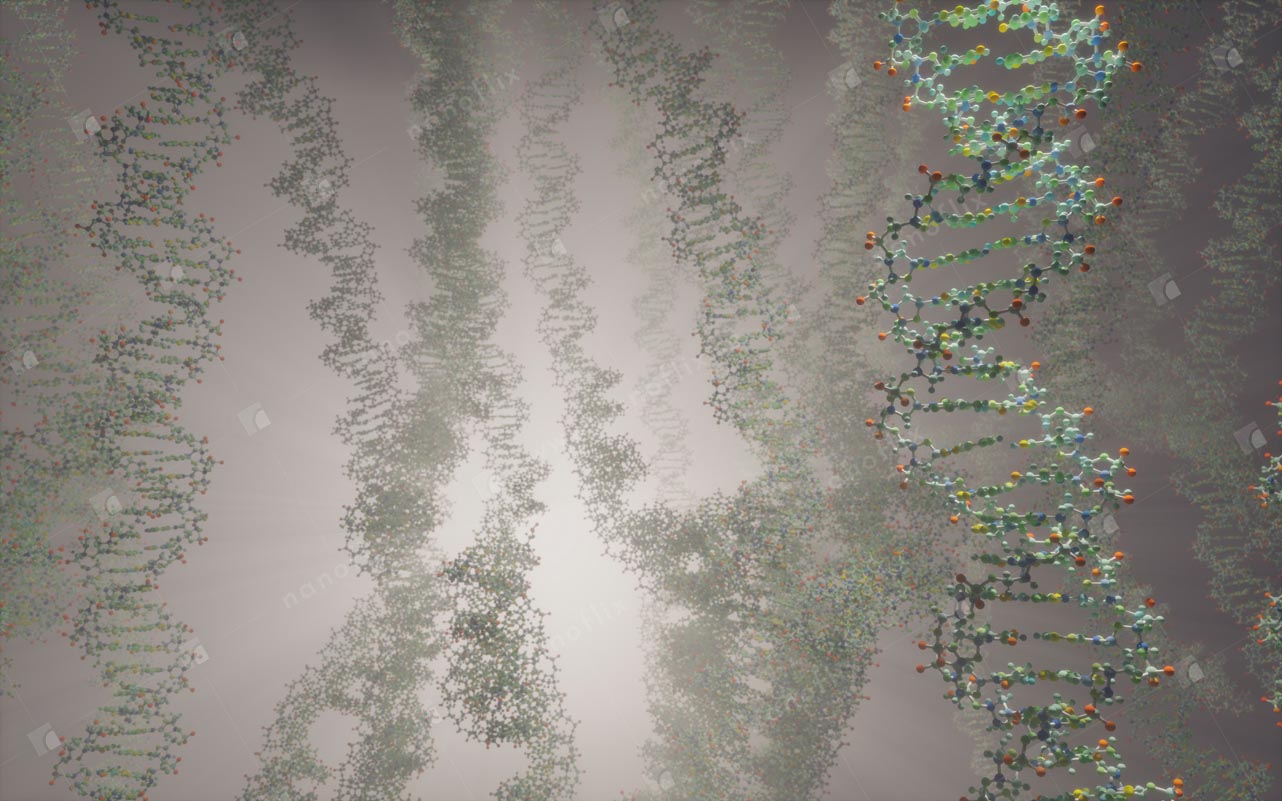
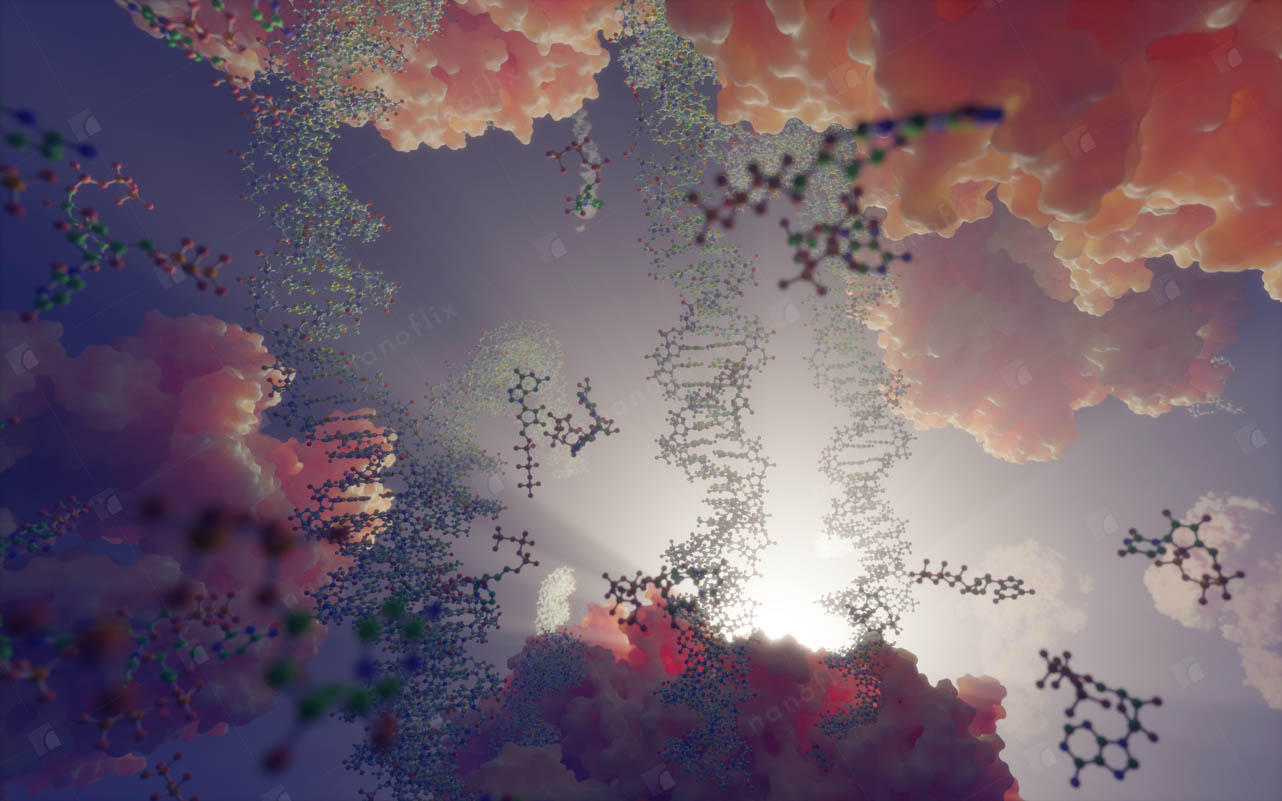
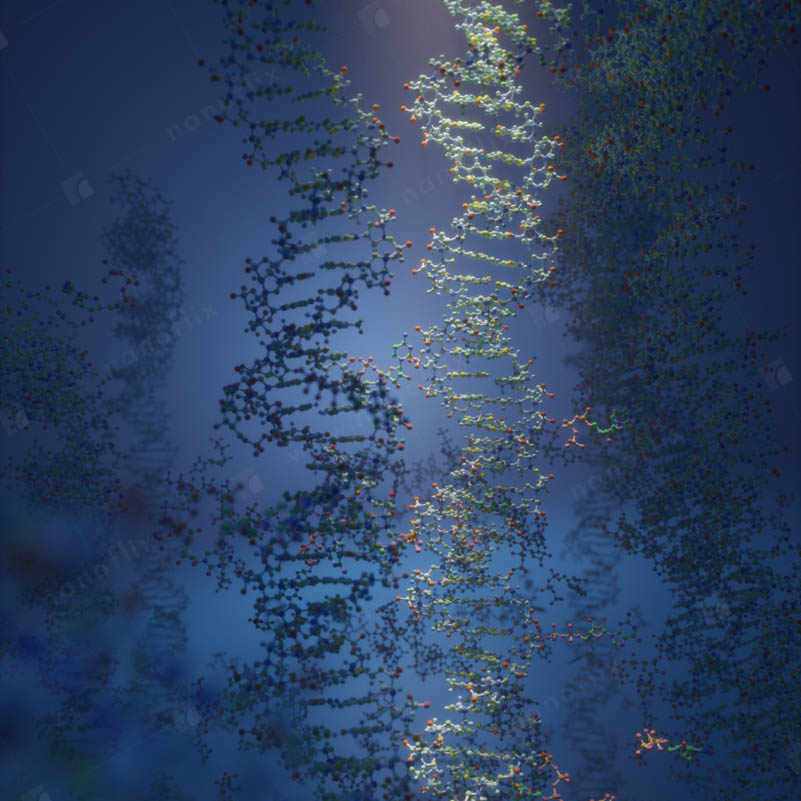
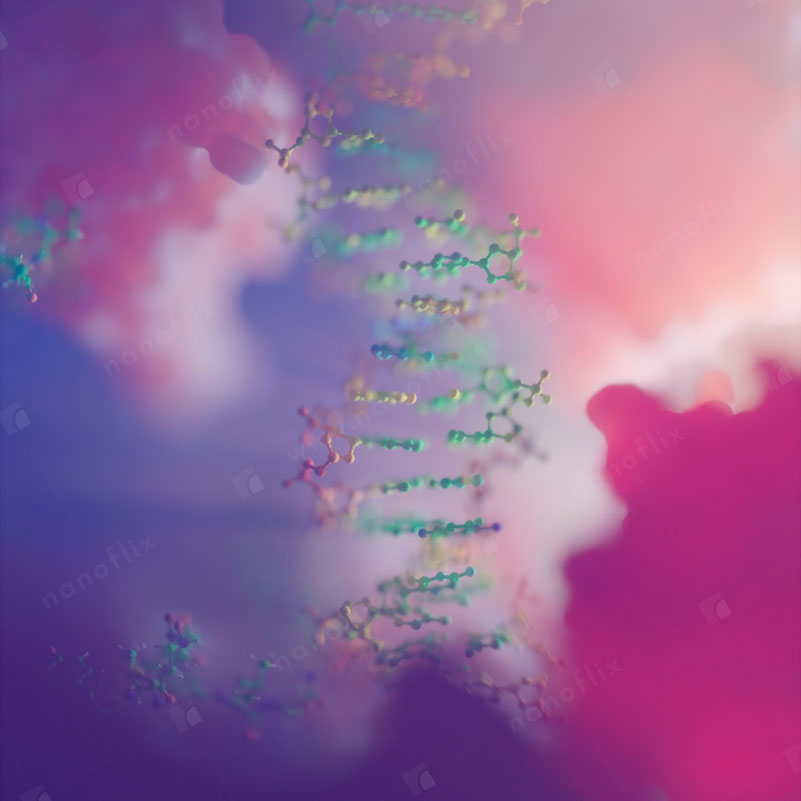
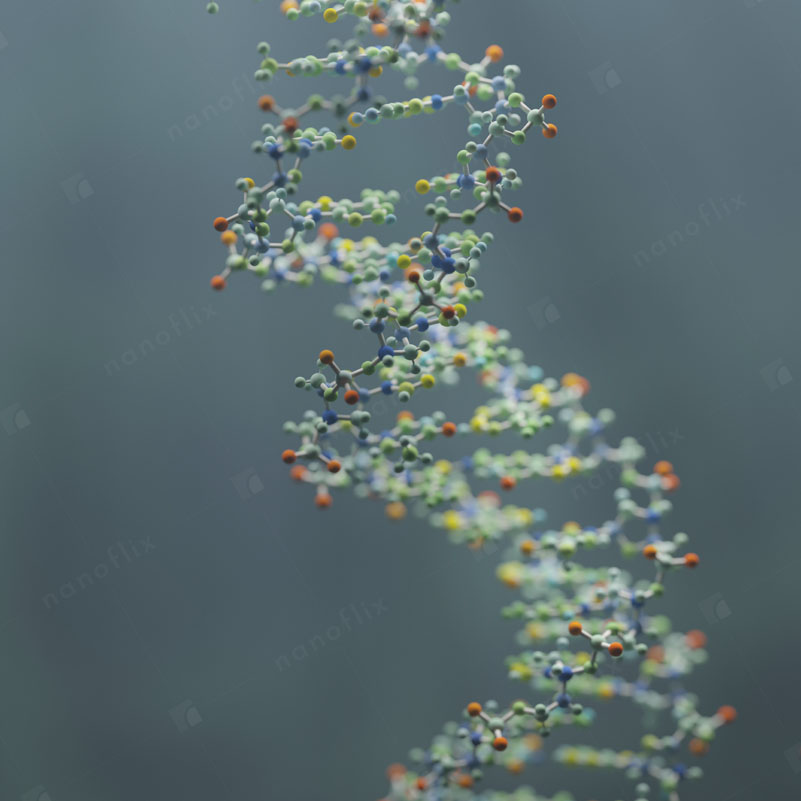
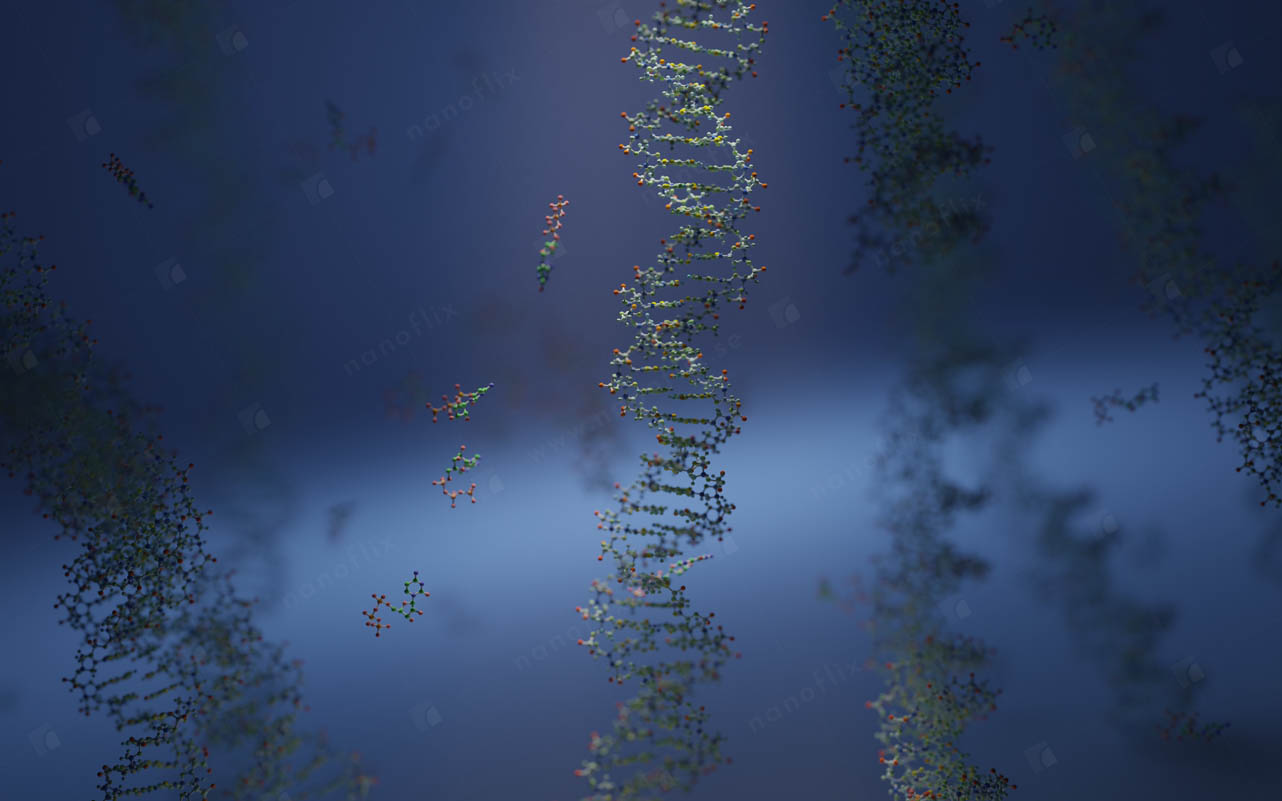
In April 1953 Watson and Crick published their structure – the now famous double helix. This brilliant accomplishment ranks as one of the most significant discoveries in science because it led the way to an understanding of genetics in terms of the molecules involved. In 1962 they received the Nobel prize for Medicine in recognition of this achievement, along with Maurice Wilkins of Kings College London who had performed the initial X-ray crystallography studies.
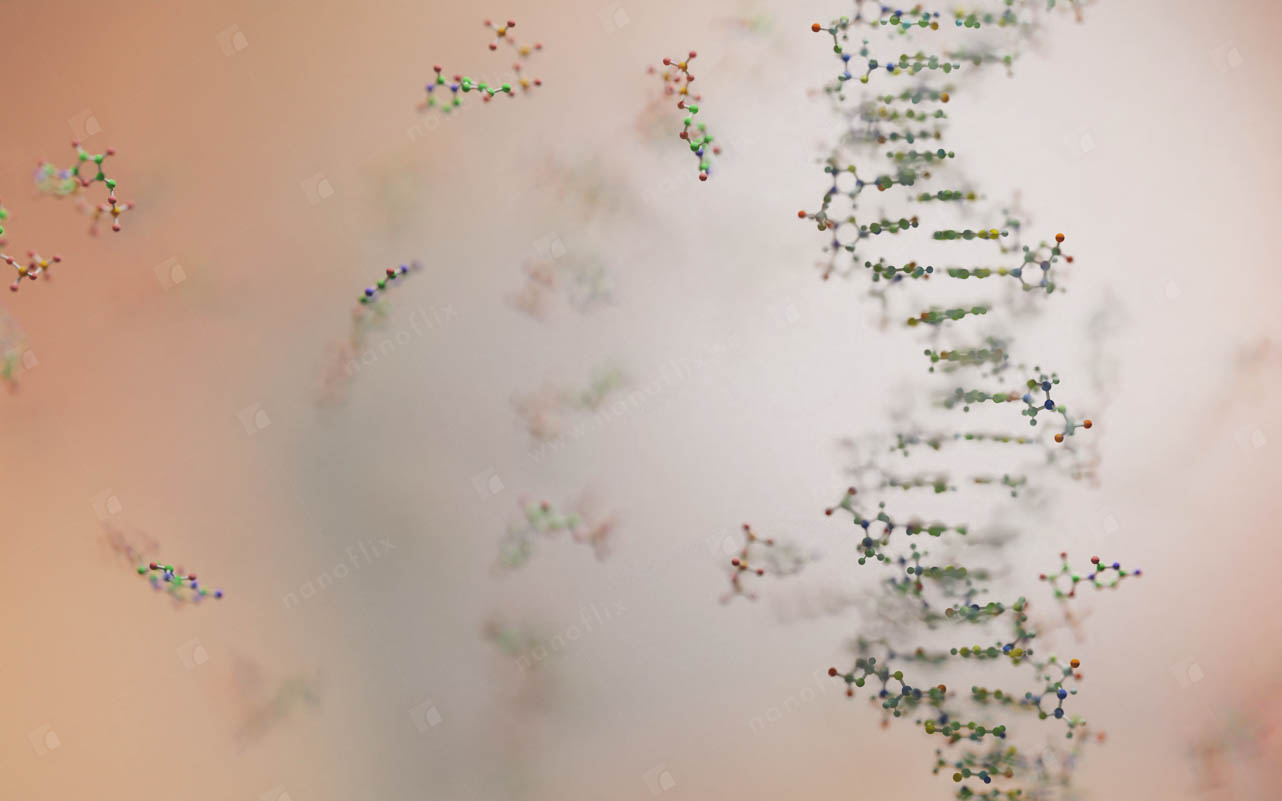
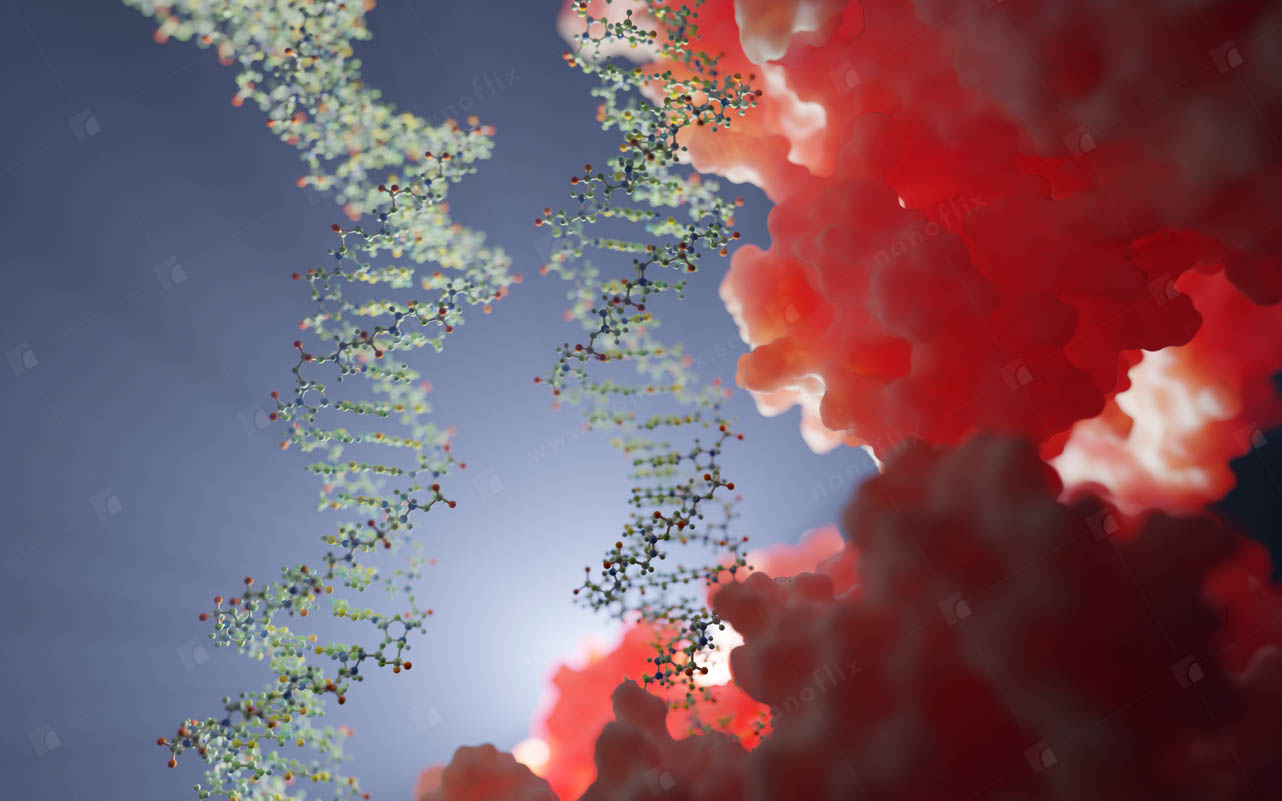
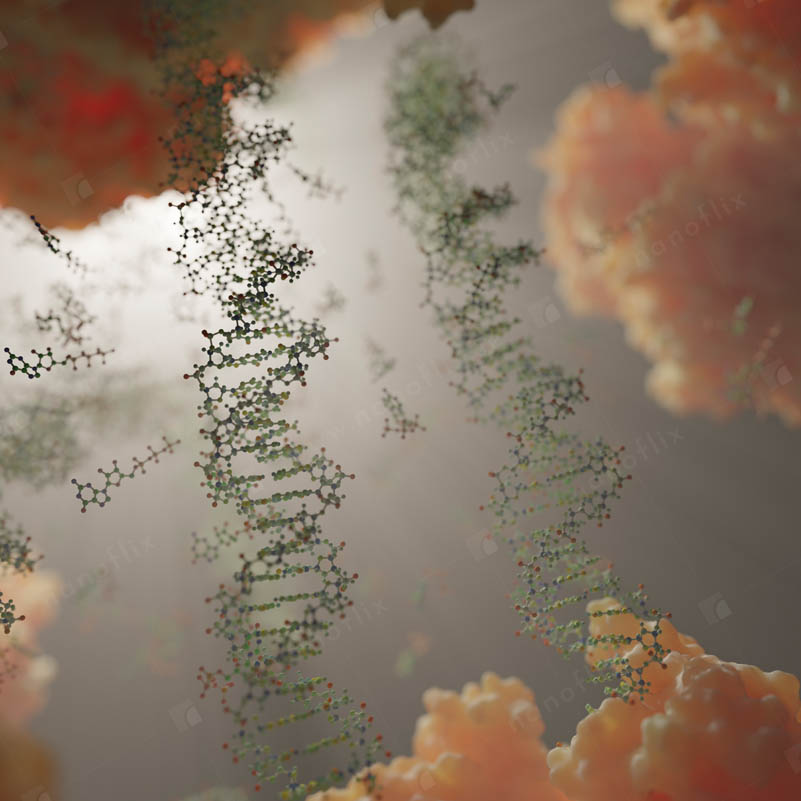
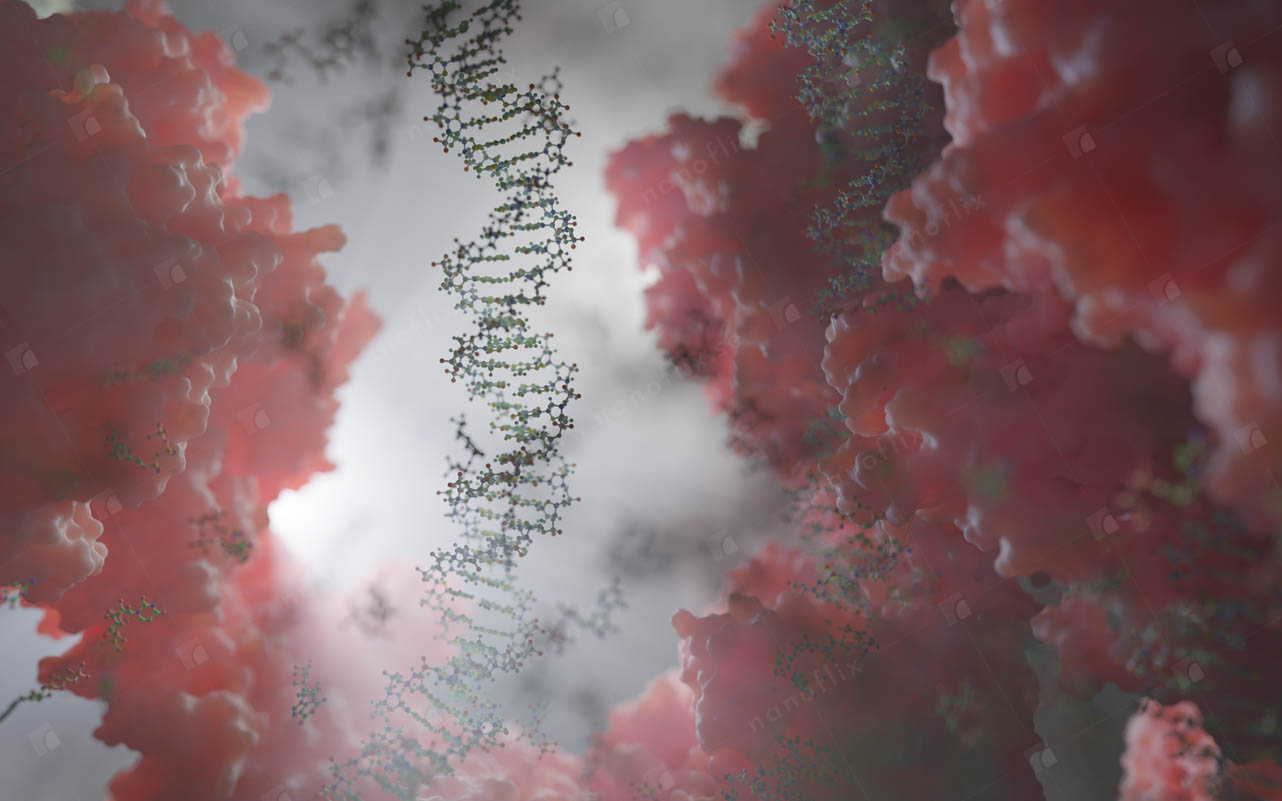
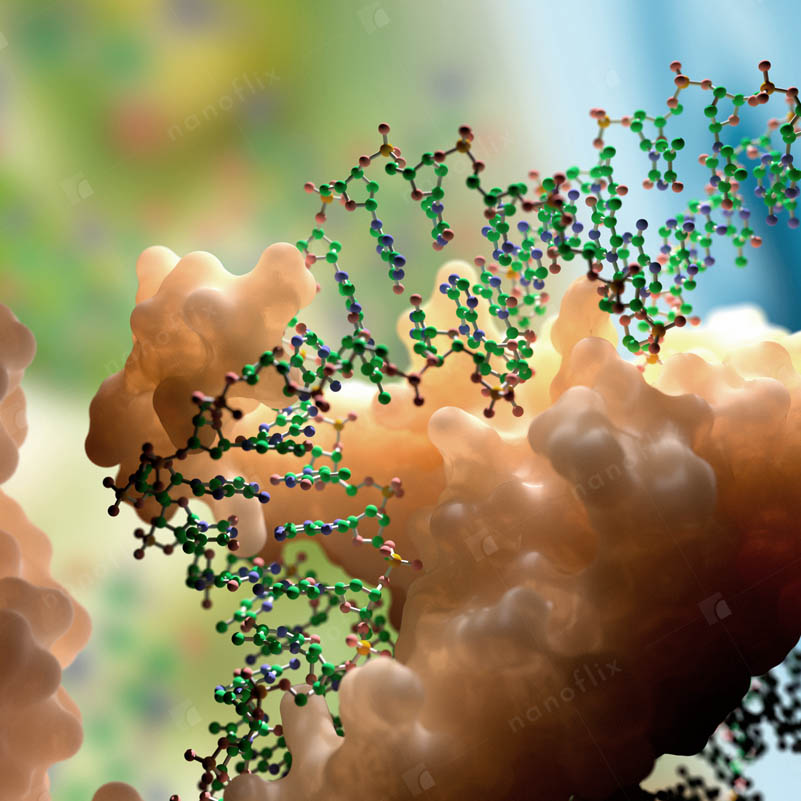
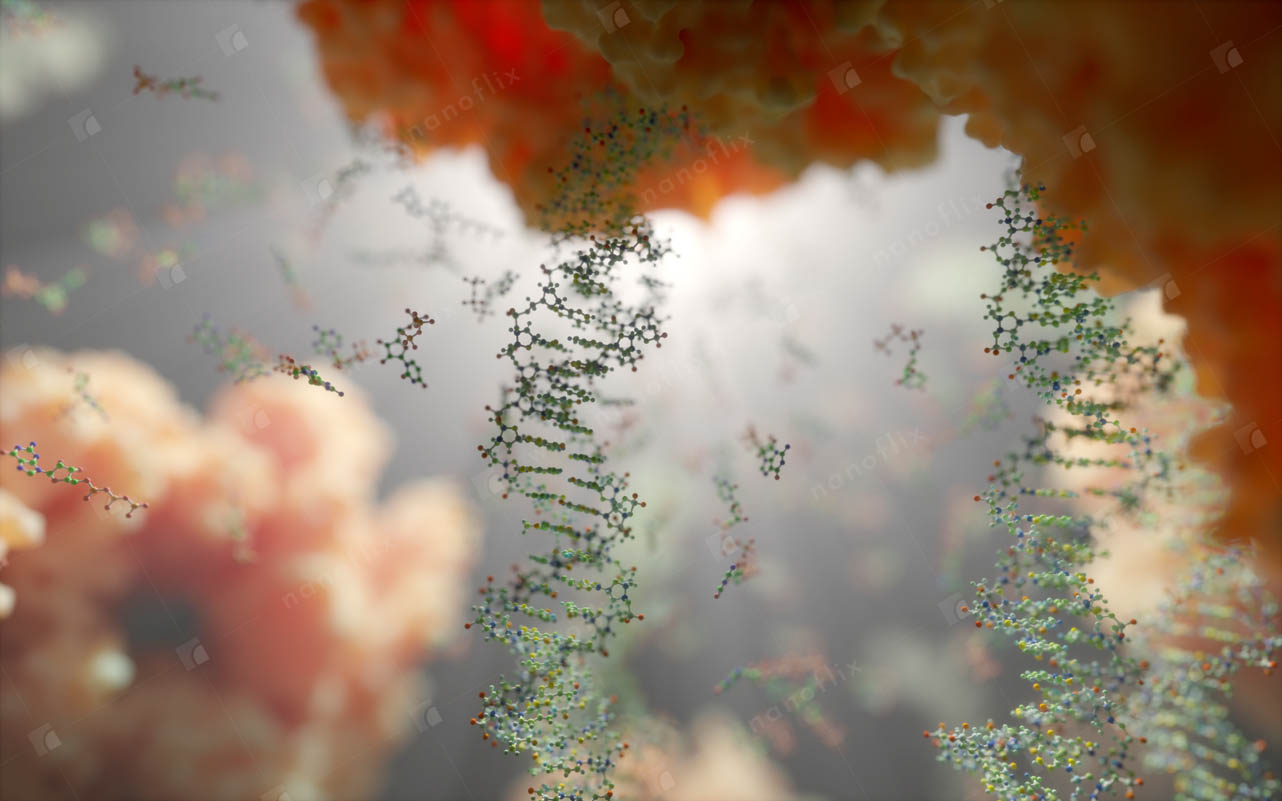
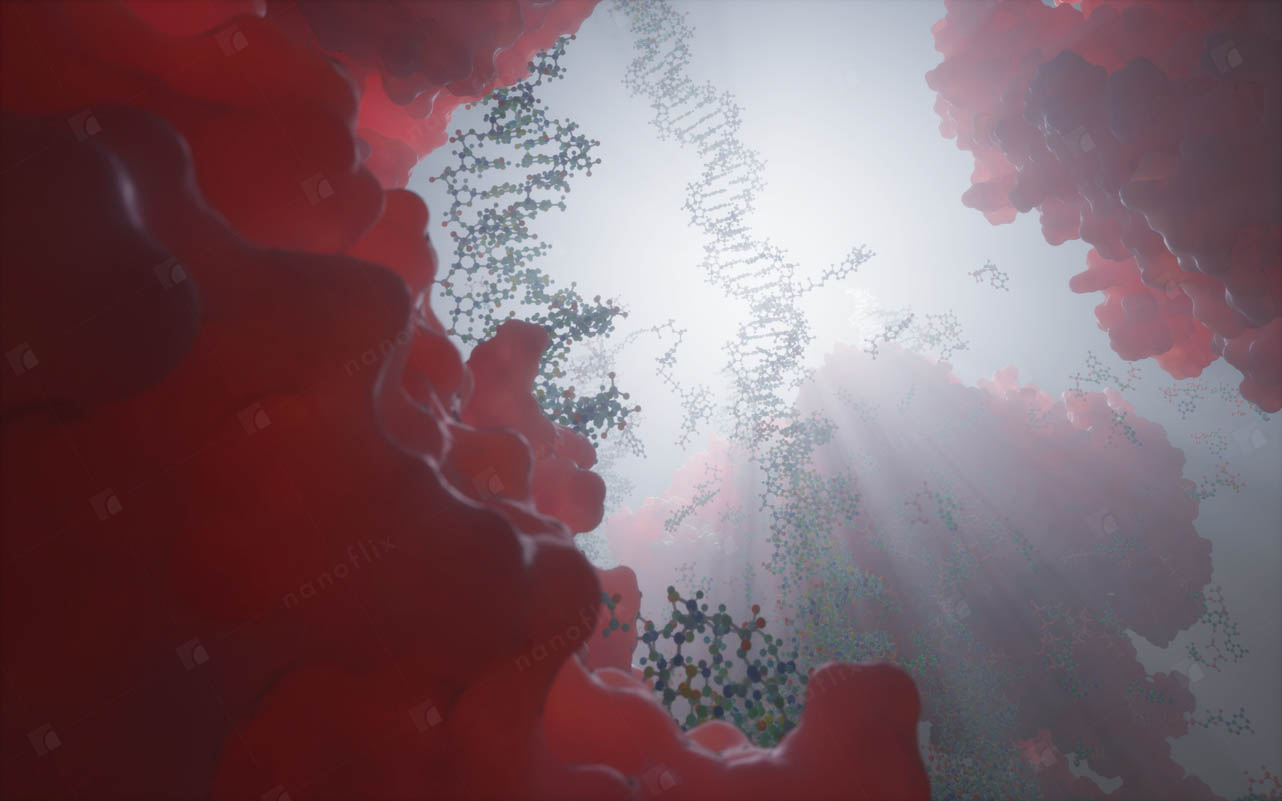
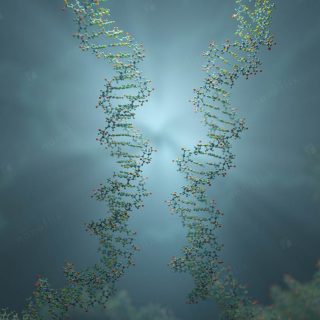
DNA molecules can duplicate themselves, in a process called replication, in which the 2 halves of the helix separate and a new partner is fabricated to exactly match each half. DNA molecules control the synthesis of the proteins which characterise each type of organism. DNA is the code of life.
THE CELL NUCLEUS
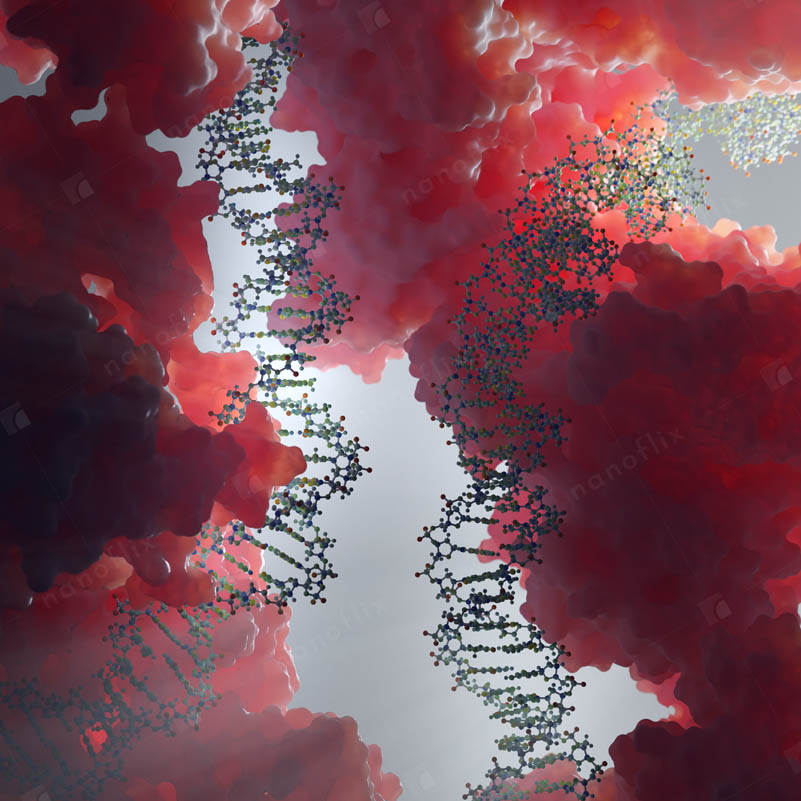
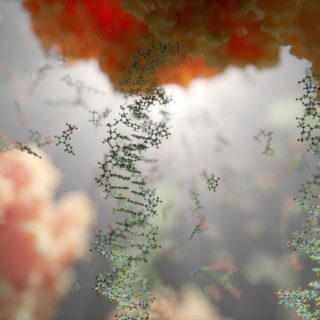
The cell nucleus contains all of the cell’s genome, except for the small amount of mitochondrial DNA and, in plant cells, plastid DNA. Nuclear DNA is organized as multiple long linear molecules in a complex with a large variety of proteins, such as histones, to form chromosomes. The genes within these chromosomes are structured in such a way to promote cell function. The nucleus maintains the integrity of genes and controls the activities of the cell by regulating gene expression. Therefore the nucleus is the control center of the cell.
-
- © 2021 Nanoflix/Jakob Hall
-
- © 2021 Nanoflix/Jakob Hall
-
- © 2021 Nanoflix/Jakob Hall
-

- © 2021 Nanoflix/Jakob Hall

-
- © 2021 Nanoflix/Jakob Hall
-
- © 2021 Nanoflix/Jakob Hall
-
- © 2021 Nanoflix/Jakob Hall
-
- © 2021 Nanoflix/Jakob Hall
-
- © 2021 Nanoflix/Jakob Hall
-
- © 2021 Nanoflix/Jakob Hall
-
- © 2021 Nanoflix/Jakob Hall
-
- © 2021 Nanoflix/Jakob Hall
-
- © 2021 Nanoflix/Jakob Hall
-
- © 2021 Nanoflix/Jakob Hall
-

- © 2021 Nanoflix/Jakob Hall

-
- © 2021 Nanoflix/Jakob Hall
-
- © 2021 Nanoflix/Jakob Hall
-
- © 2021 Nanoflix/Jakob Hall