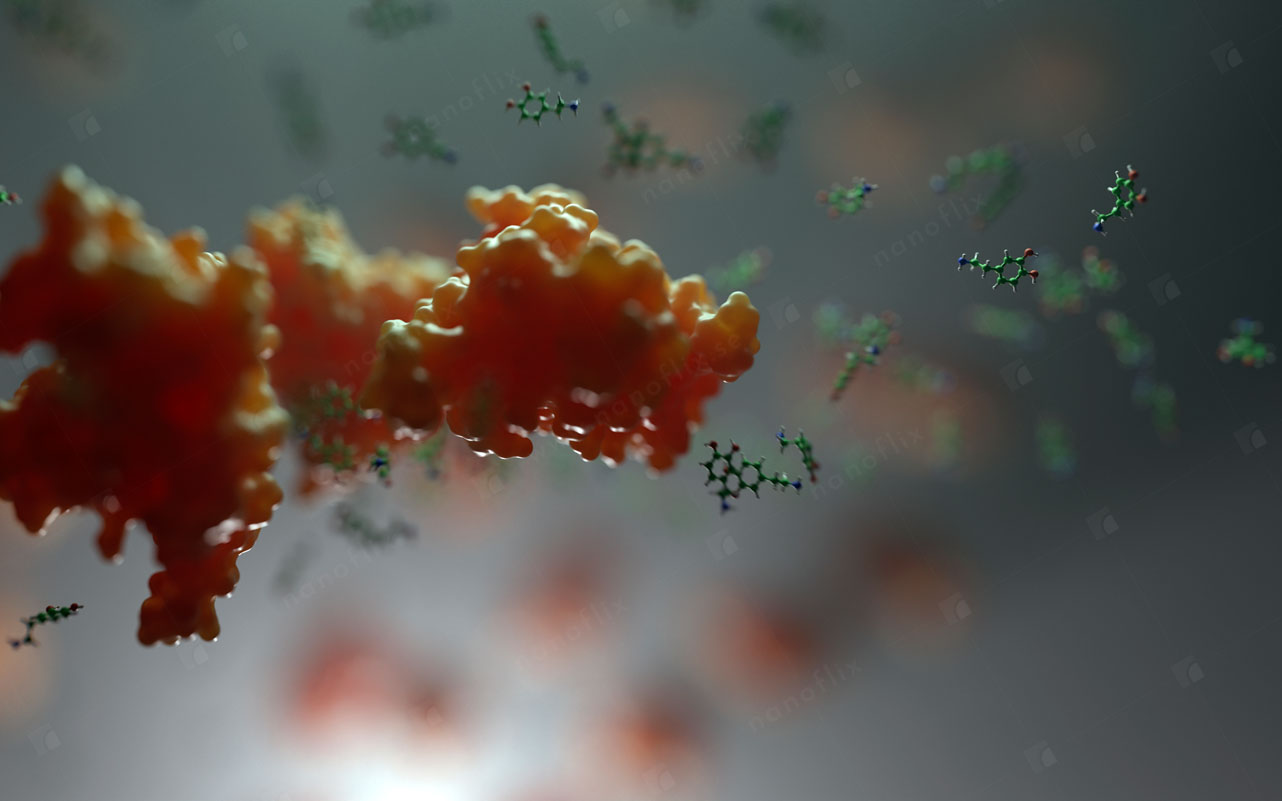
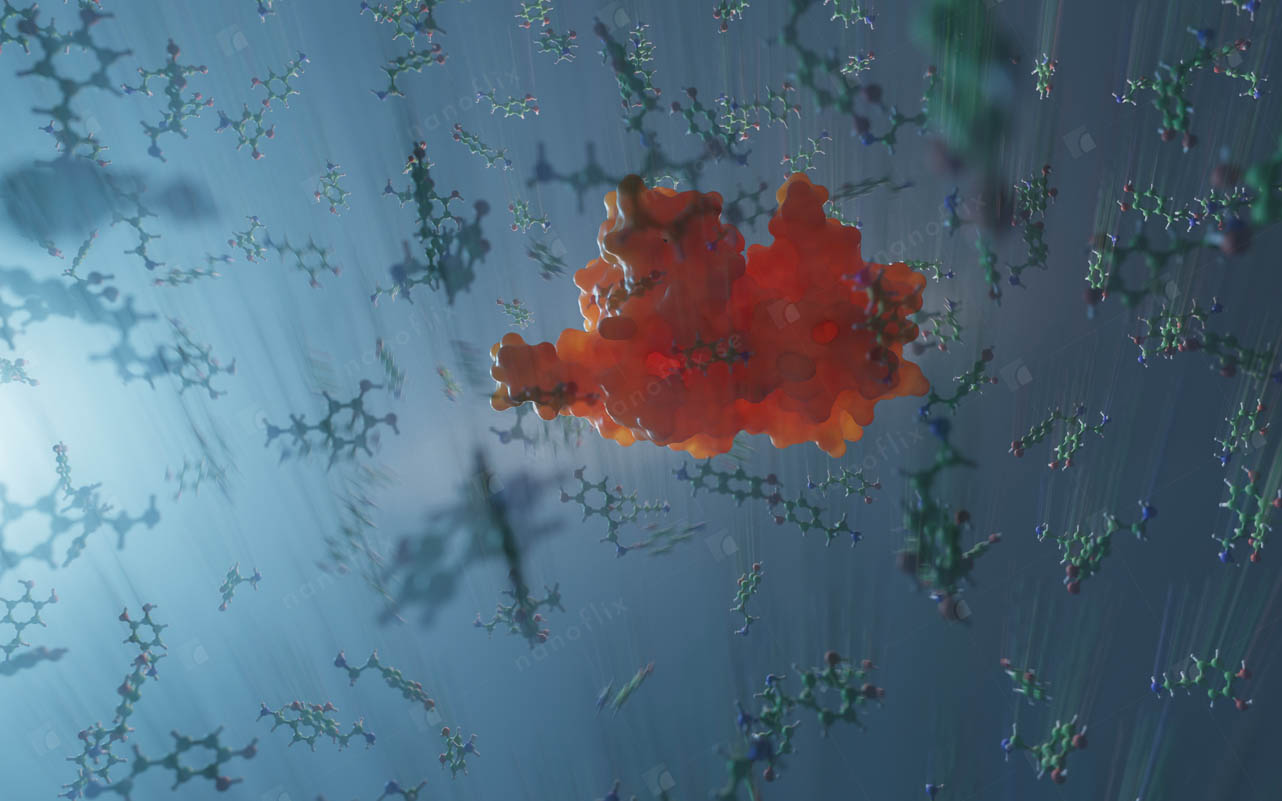
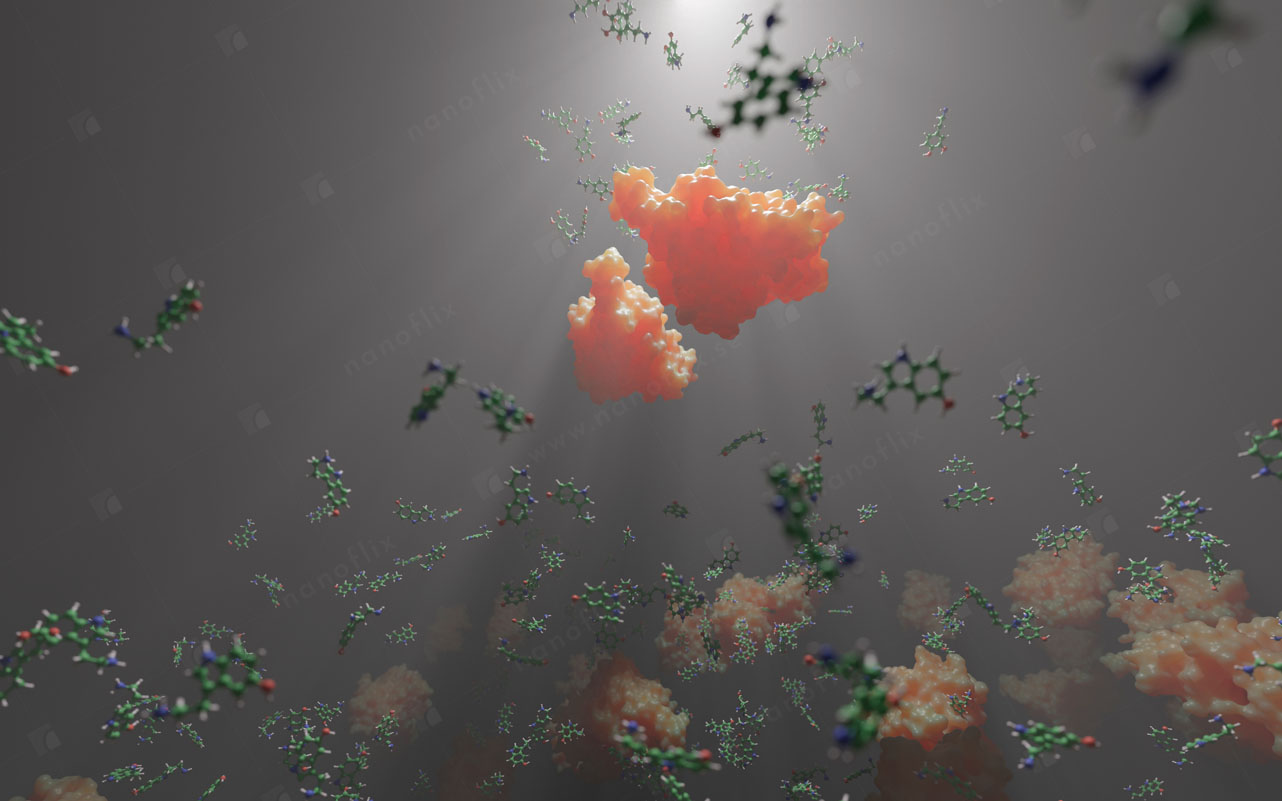
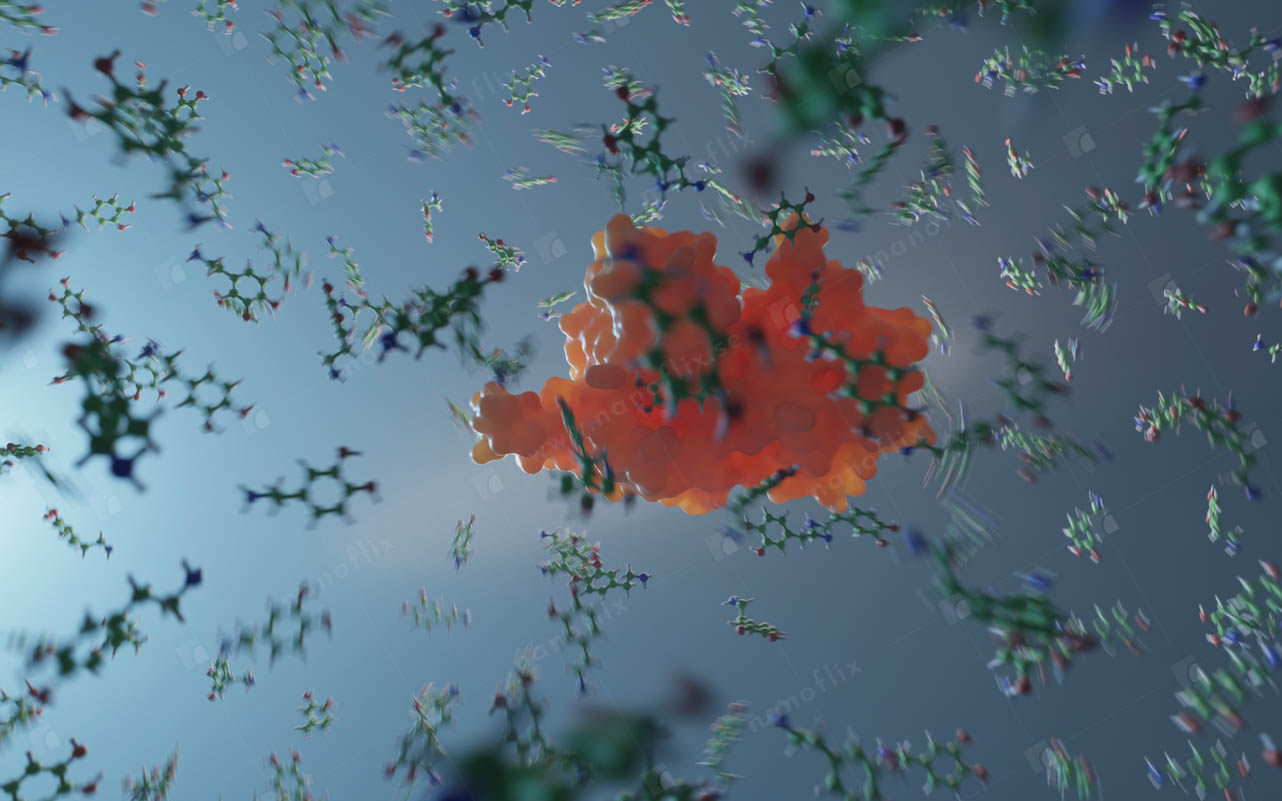
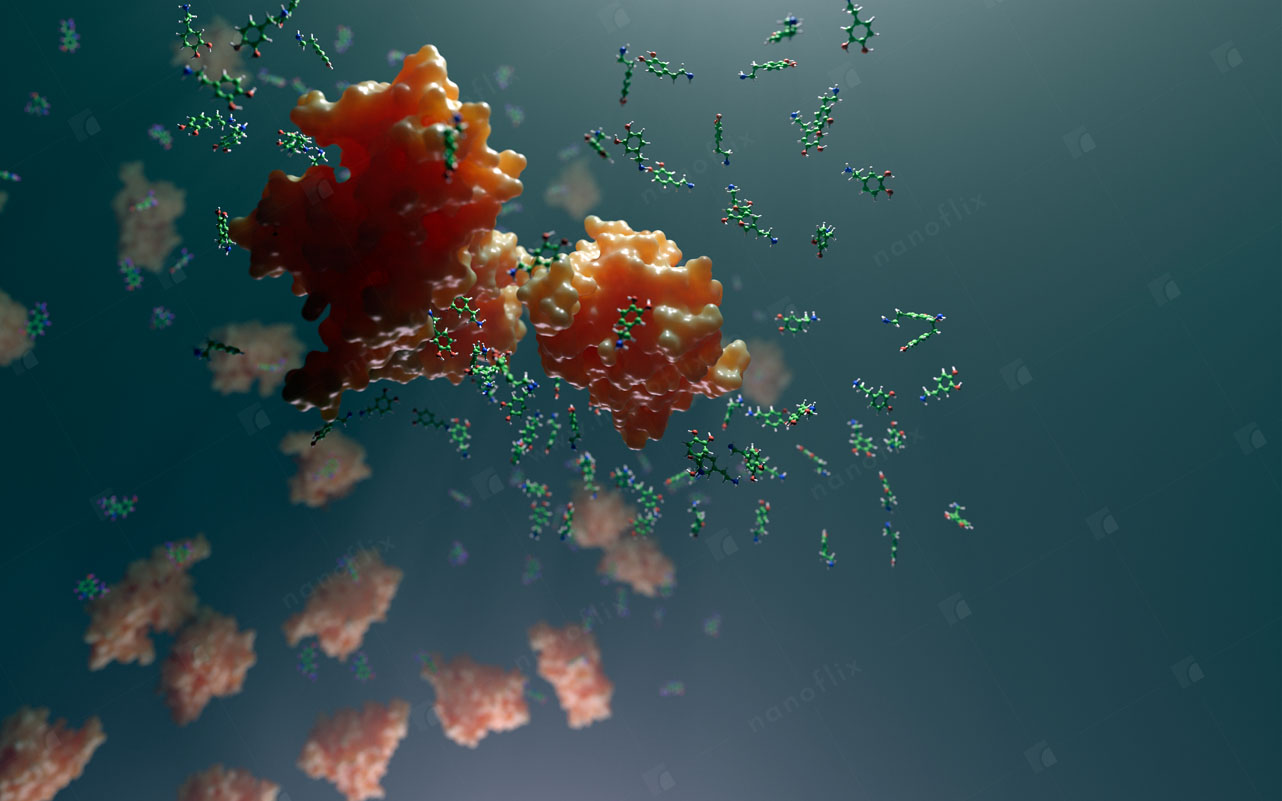
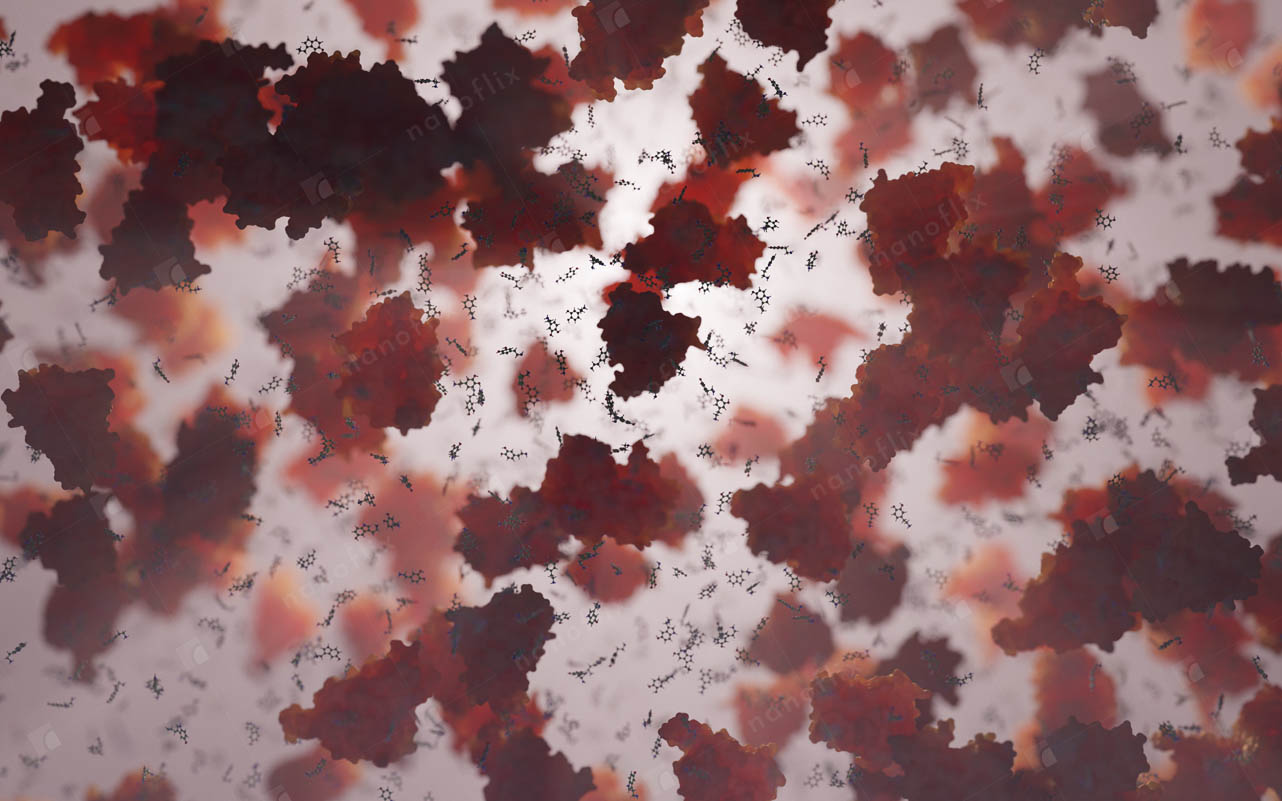
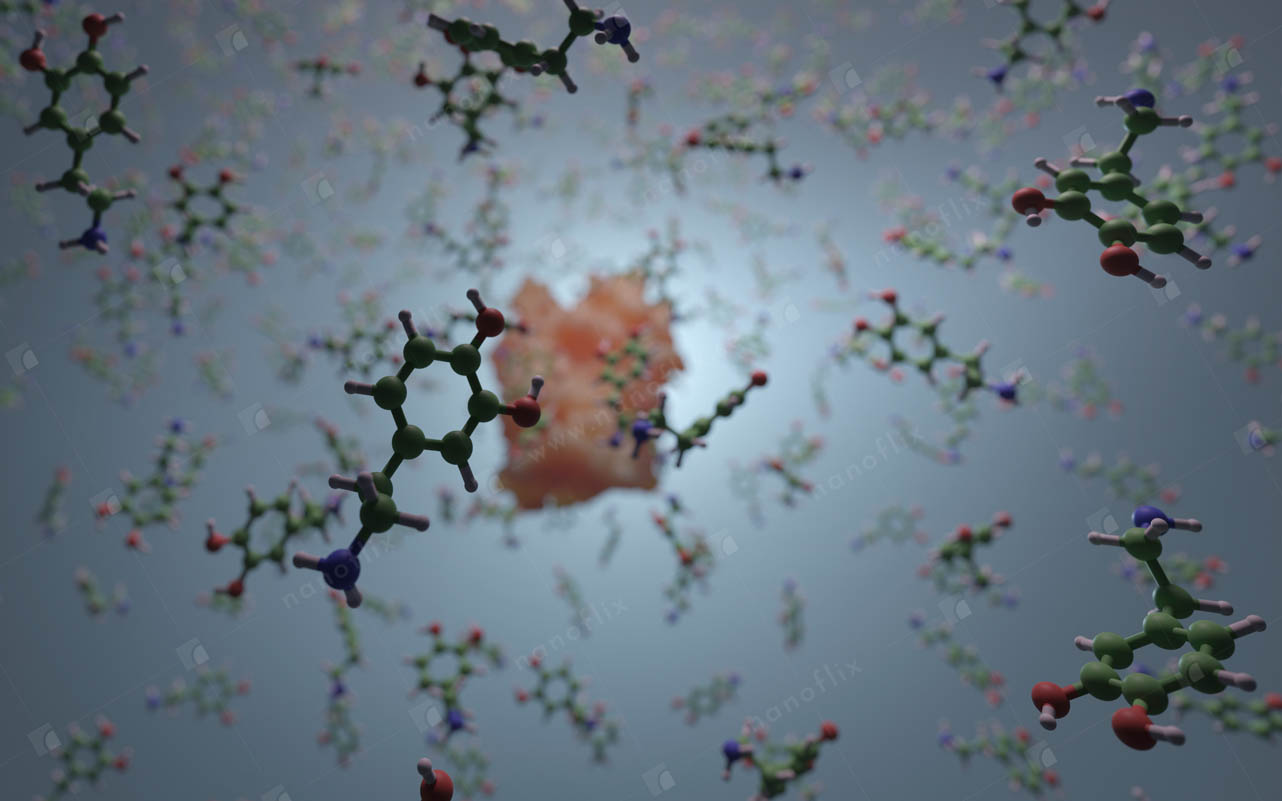
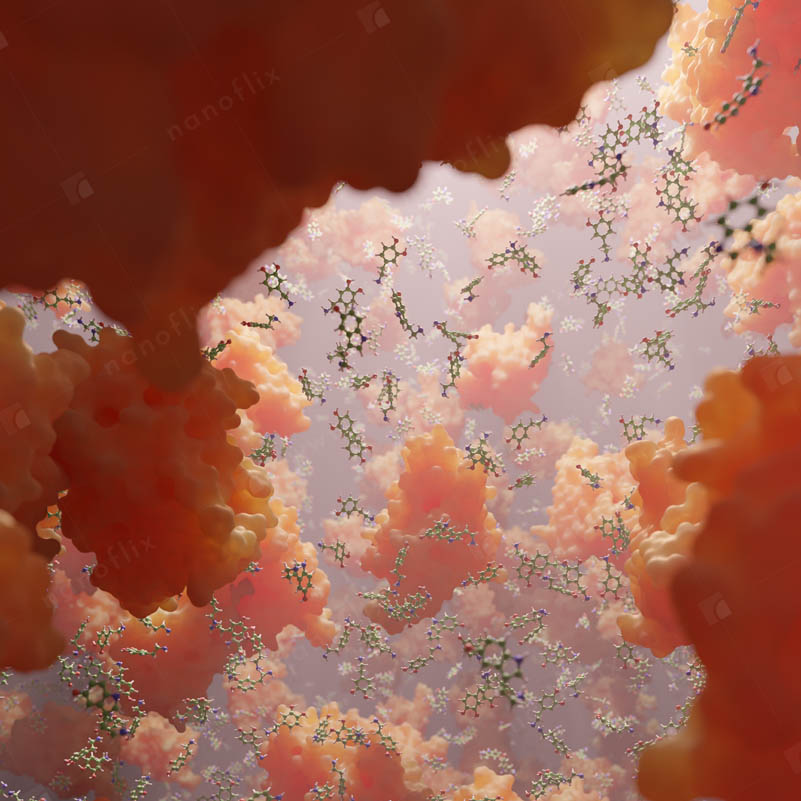
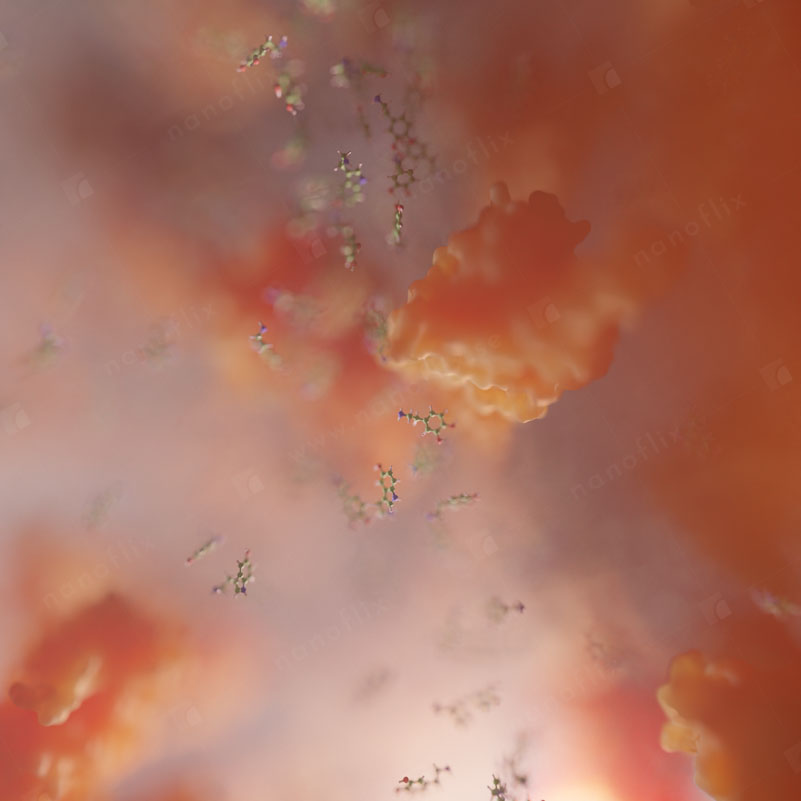
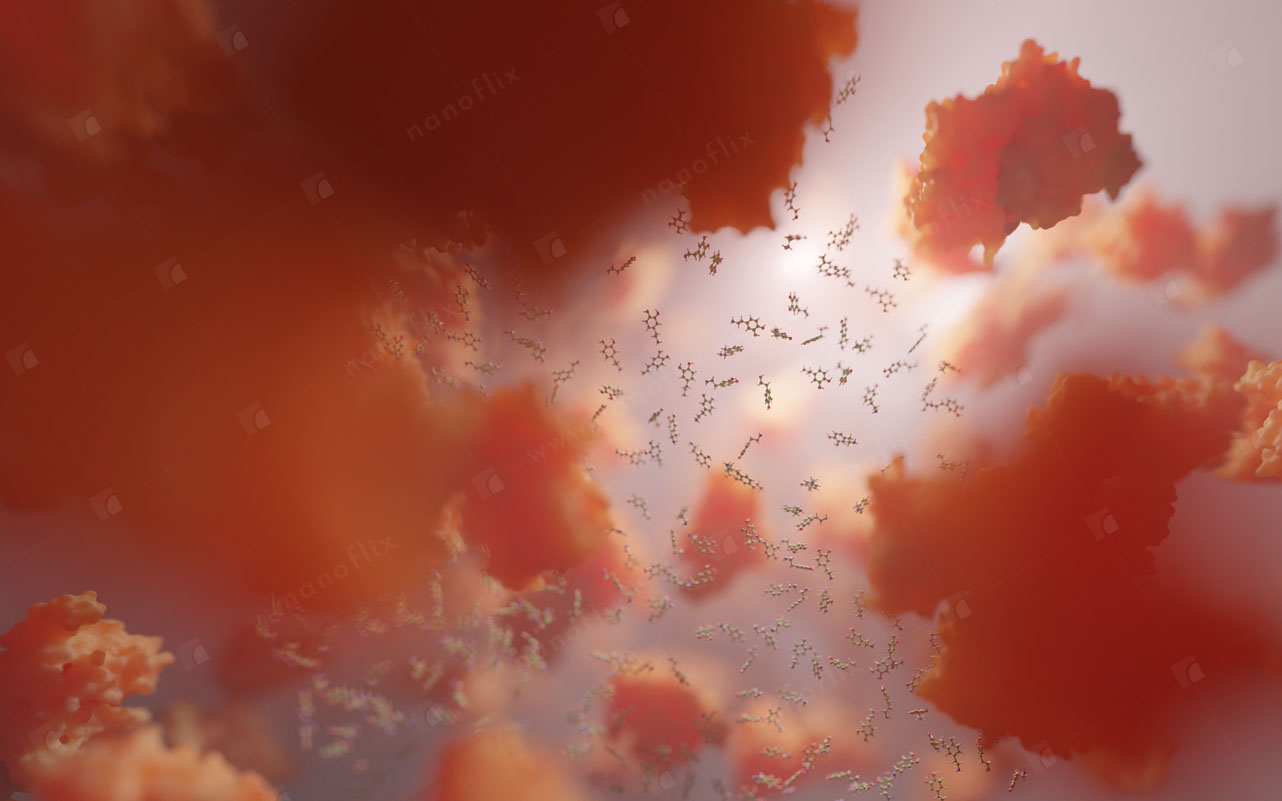
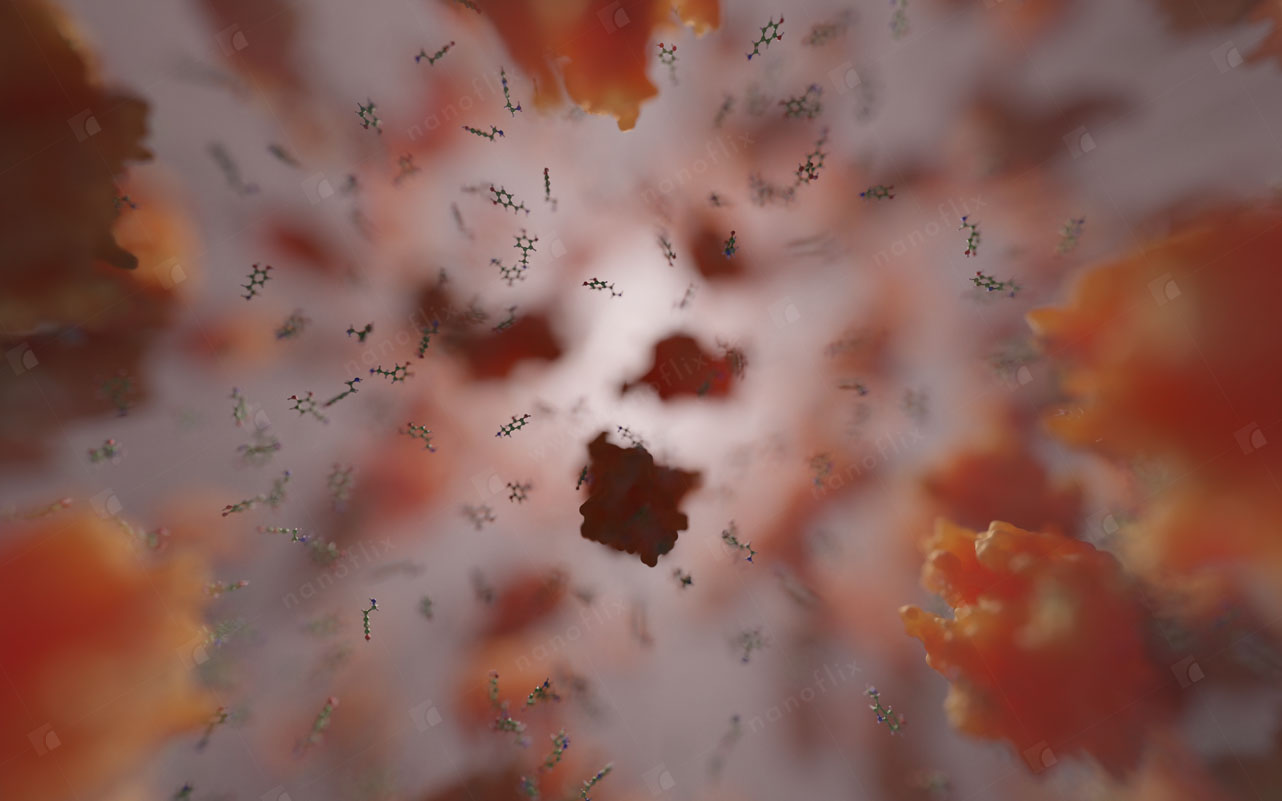
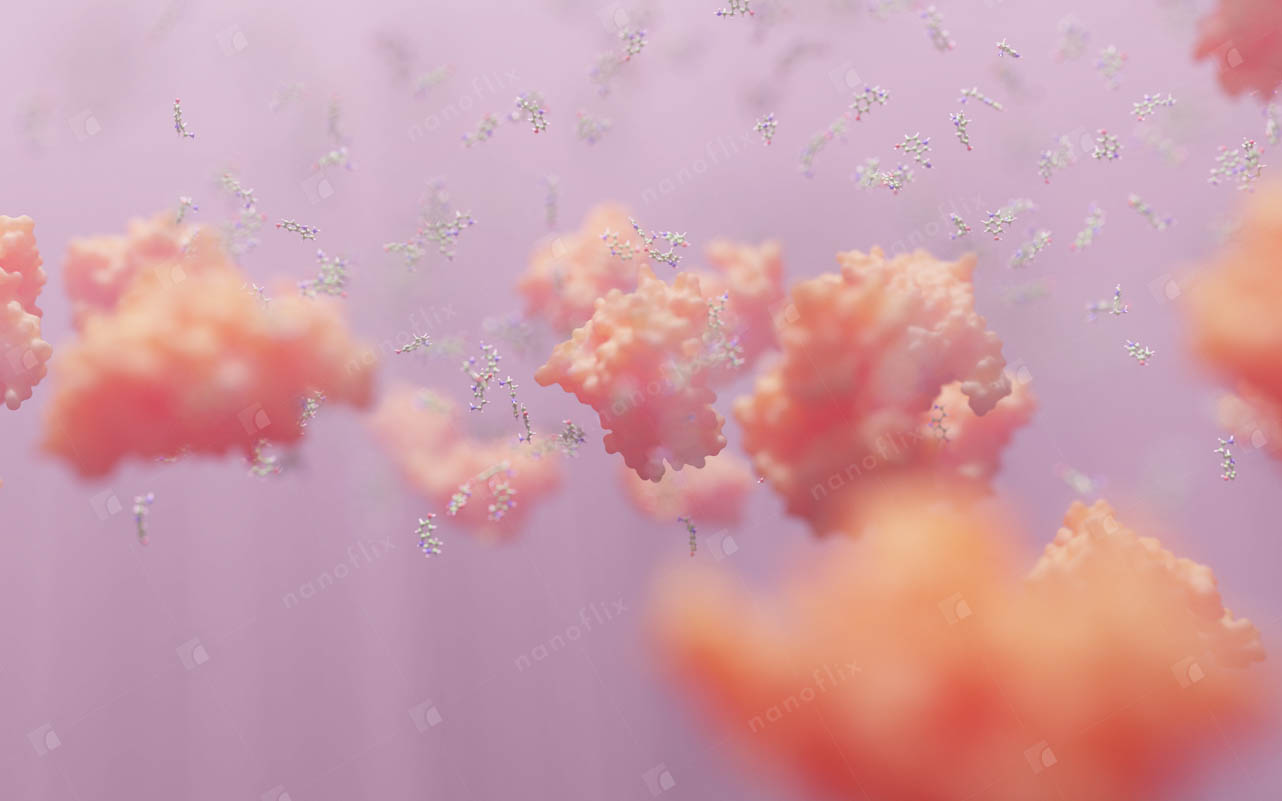
In the brain, dopamine functions as a neurotransmitter — a chemical released by neurons (nerve cells) to send signals to other nerve cells. Neurotransmitters are synthesized in specific regions of the brain, but affect many regions systemically. The brain includes several distinct dopamine pathways, one of which plays a major role in the motivational component of reward-motivated behavior. The anticipation of most types of rewards increases the level of dopamine in the brain, and many addictive drugs increase dopamine release or block its reuptake into neurons following release.
In popular culture and media, dopamine is often portrayed as the main chemical of pleasure, but the current opinion in pharmacology is that dopamine instead confers motivational salience – in other words, dopamine signals the perceived motivational prominence (i.e. the desirability or aversiveness) of an outcome, which in turn propels the organism’s behavior toward or away from achieving that outcome.
Several important diseases of the nervous system are associated with dysfunctions of the dopamine system, and some of the key medications used to treat them work by altering the effects of dopamine. Parkinson’s disease, a degenerative condition causing tremor and motor impairment, is caused by a loss of dopamine-secreting neurons in an area of the midbrain called the substantia nigra. There is evidence that schizophrenia involves altered levels of dopamine activity, and most antipsychotic drugs used to treat this are dopamine antagonists which reduce dopamine activity. Similar dopamine antagonist drugs are also some of the most effective anti-nausea agents. Restless legs syndrome and attention deficit hyperactivity disorder (ADHD) are associated with decreased dopamine activity.
-
- © 2021 Nanoflix/Jakob Hall
-
- © 2021 Nanoflix/Jakob Hall
-
- © 2021 Nanoflix/Jakob Hall
-
- © 2021 Nanoflix/Jakob Hall
-
- © 2021 Nanoflix/Jakob Hall
-
- © 2021 Nanoflix/Jakob Hall
-
- © 2021 Nanoflix/Jakob Hall
-
- © 2021 Nanoflix/Jakob Hall
-
- © 2021 Nanoflix/Jakob Hall
-
- © 2021 Nanoflix/Jakob Hall
-
- © 2021 Nanoflix/Jakob Hall
-
- © 2021 Nanoflix/Jakob Hall