All of our illustration and animations can be licensed for editorial or commercial use.
-
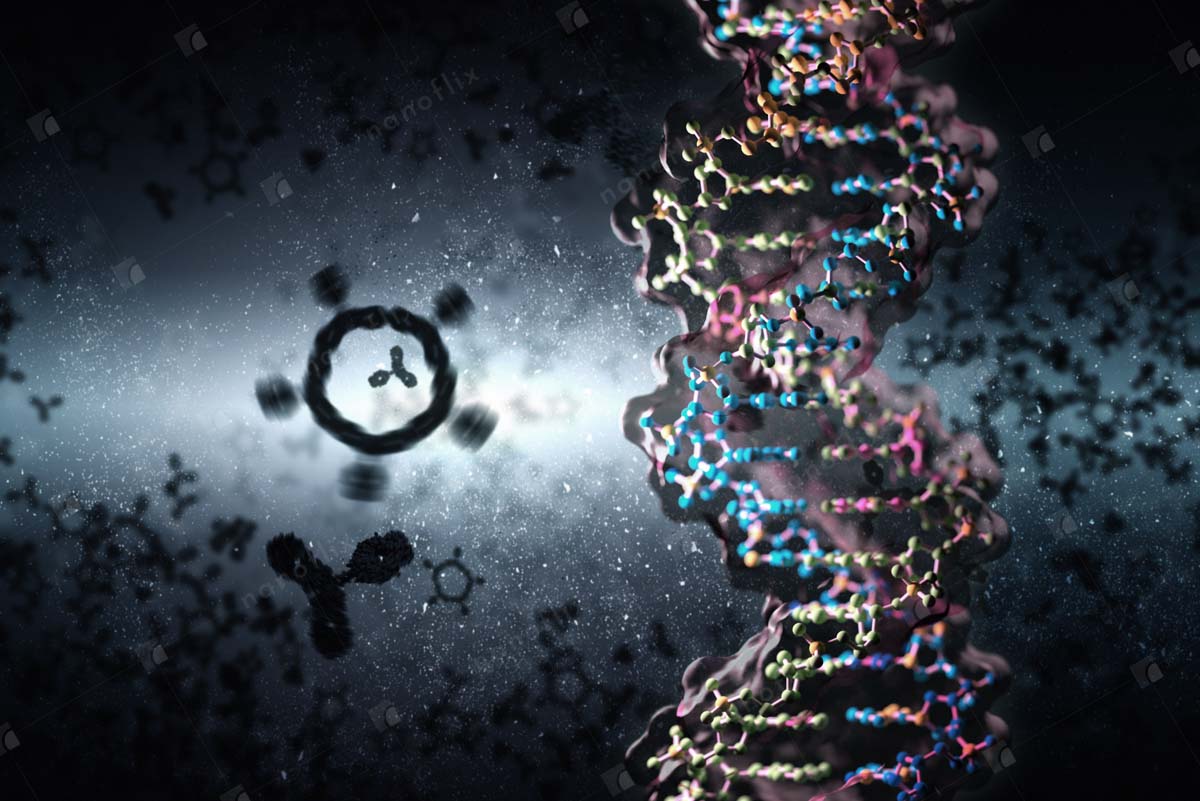
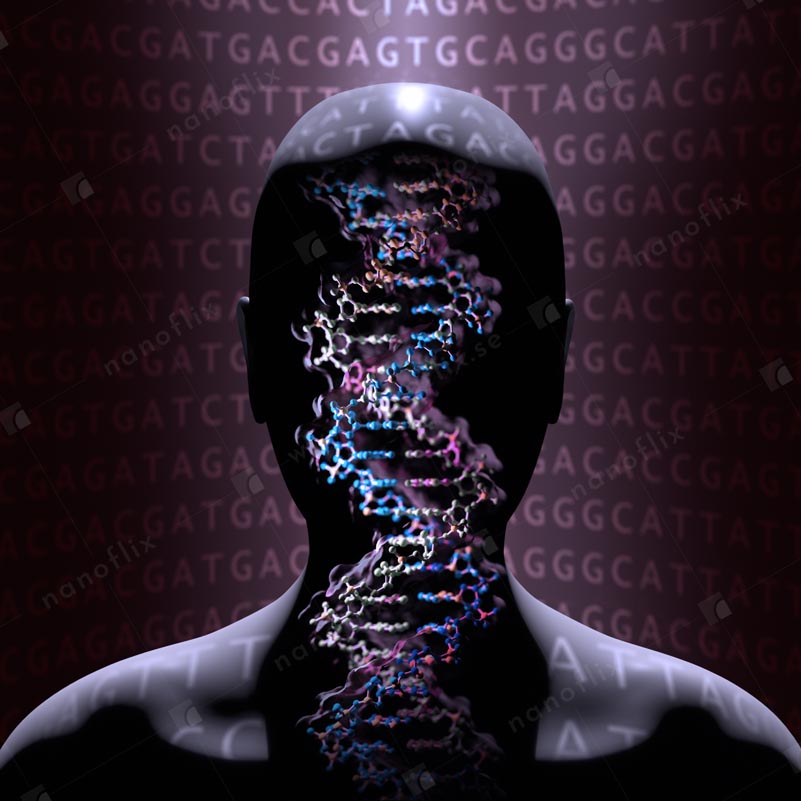
- Conceptual illustration of the genetic code that resides in the DNA double helix.
-
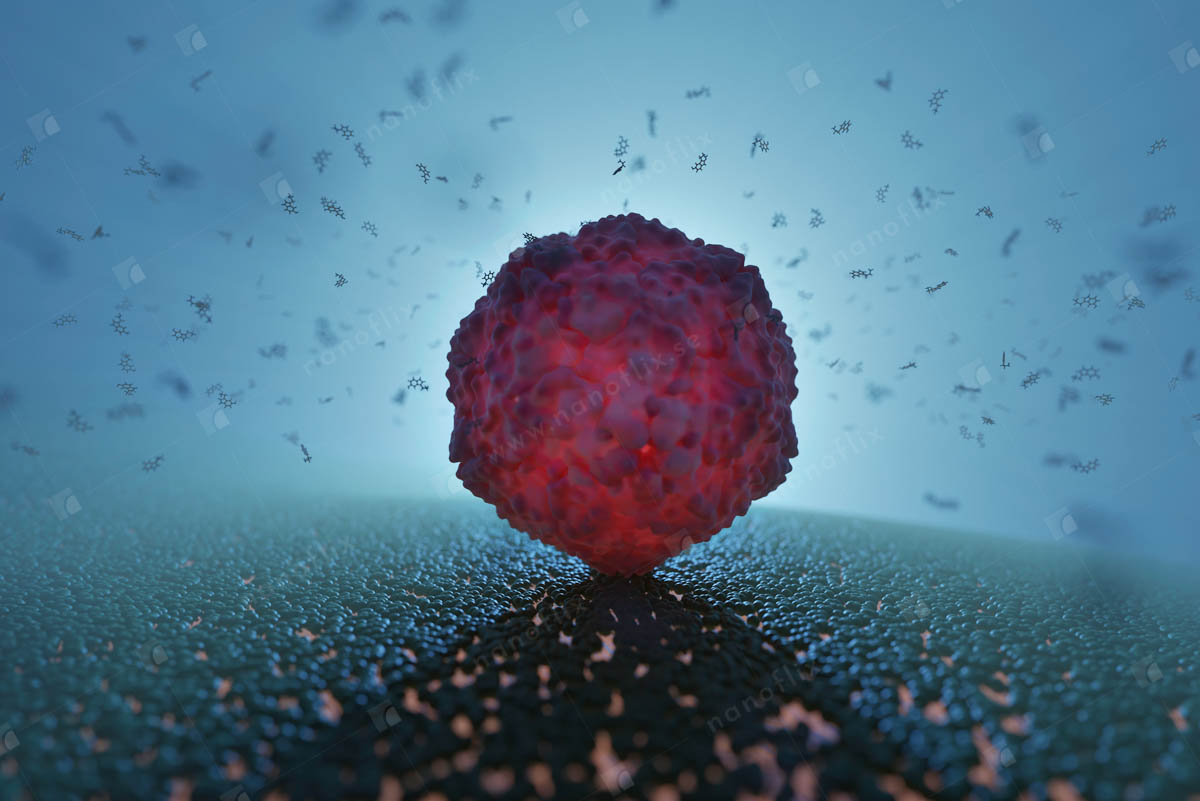
- Virus and antiviral medicine. Viruses infect cells by binding to specific sites on the membrane. The virus then enters the cell to replicate itself.
-
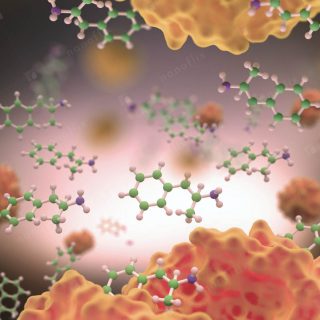
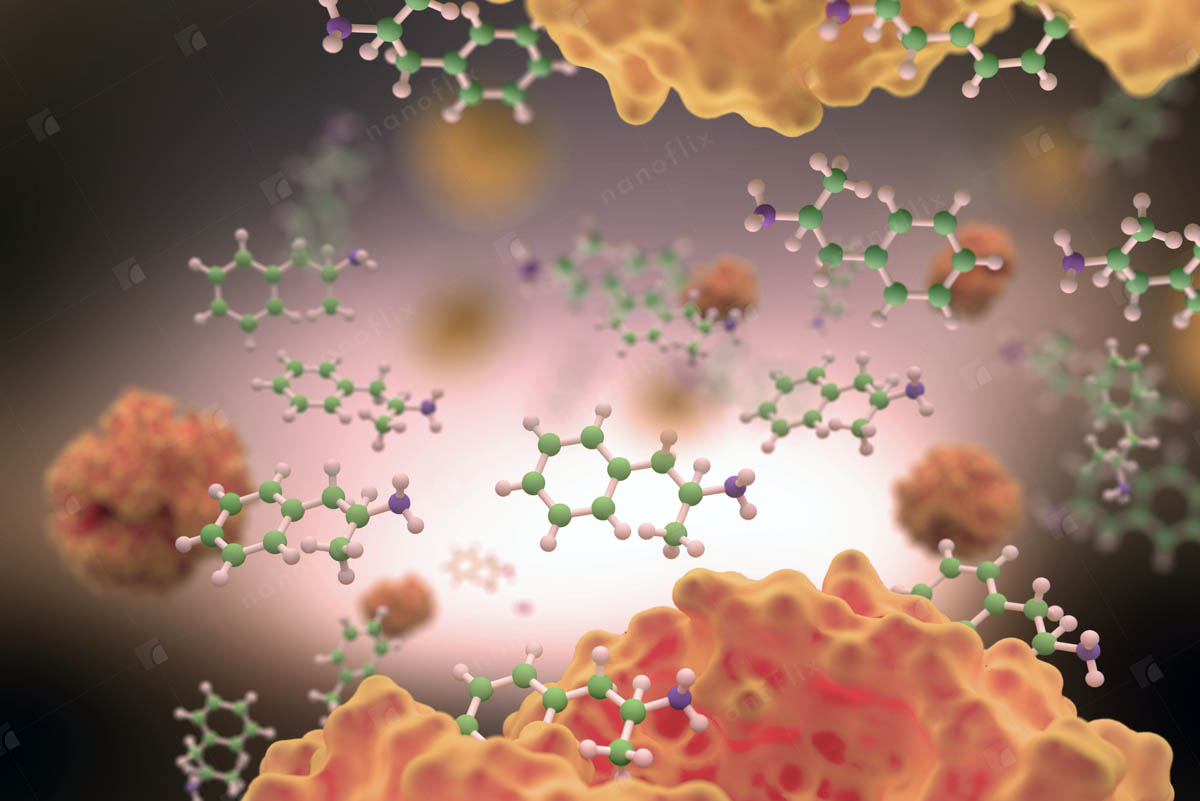
- Amphetamine is a central nervous system stimulant that is used in the treatment of attention deficit hyperactivity disorder (ADHD), narcolepsy, and obesity.
-
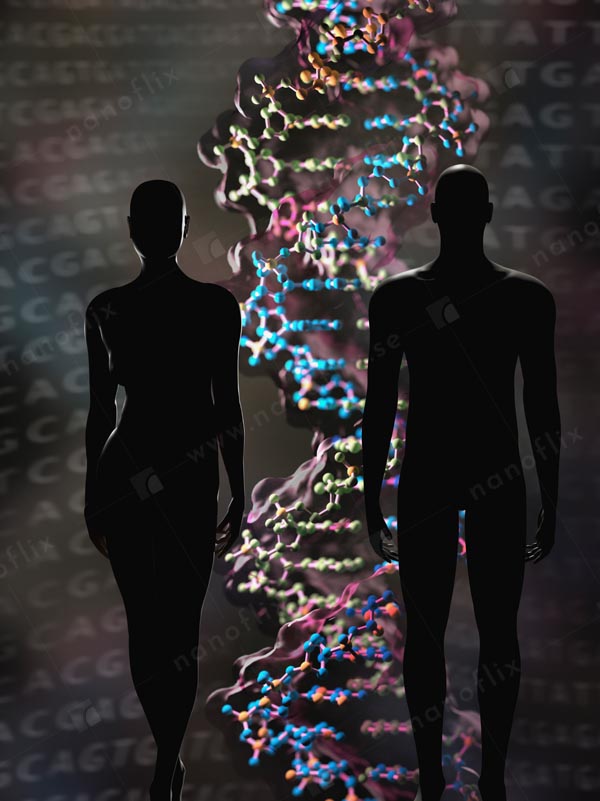
- Conceptual illustration of the genetic code that resides in the DNA double helix.
-
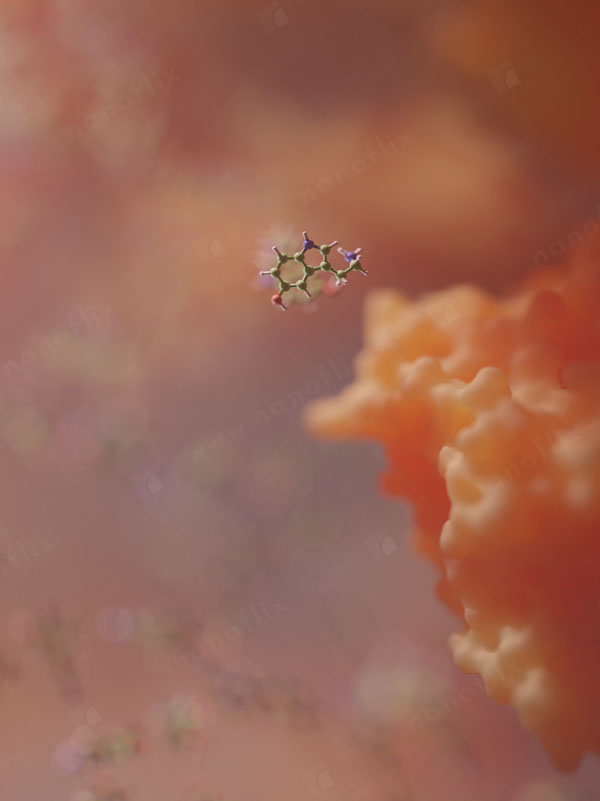
- Serotonin (a neurotransmitter) presented as ball-and-stick model. Its biological function is modulating mood, cognition, reward, learning, memory, etc.
-
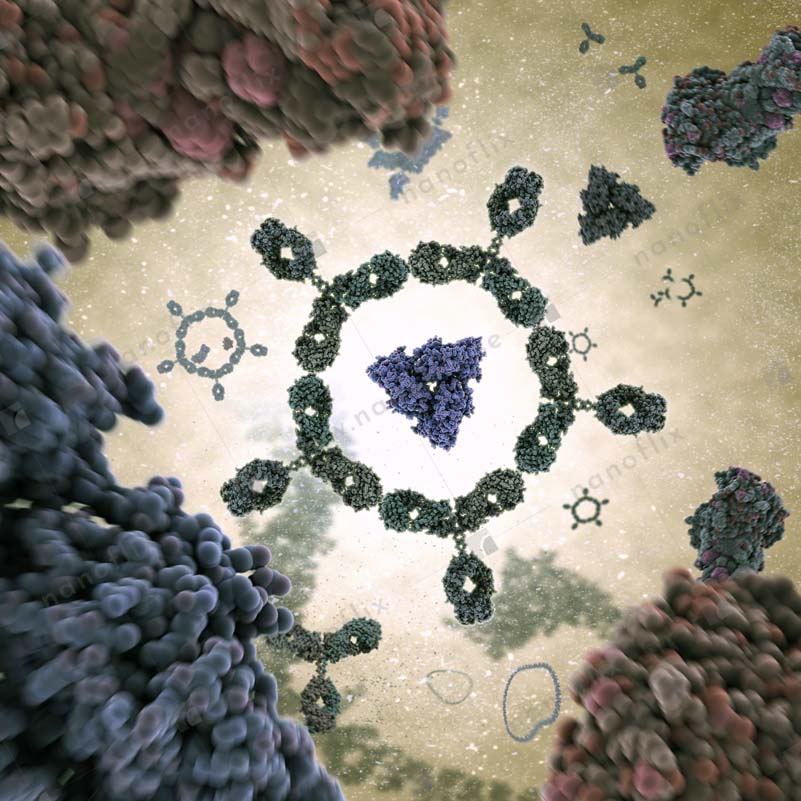
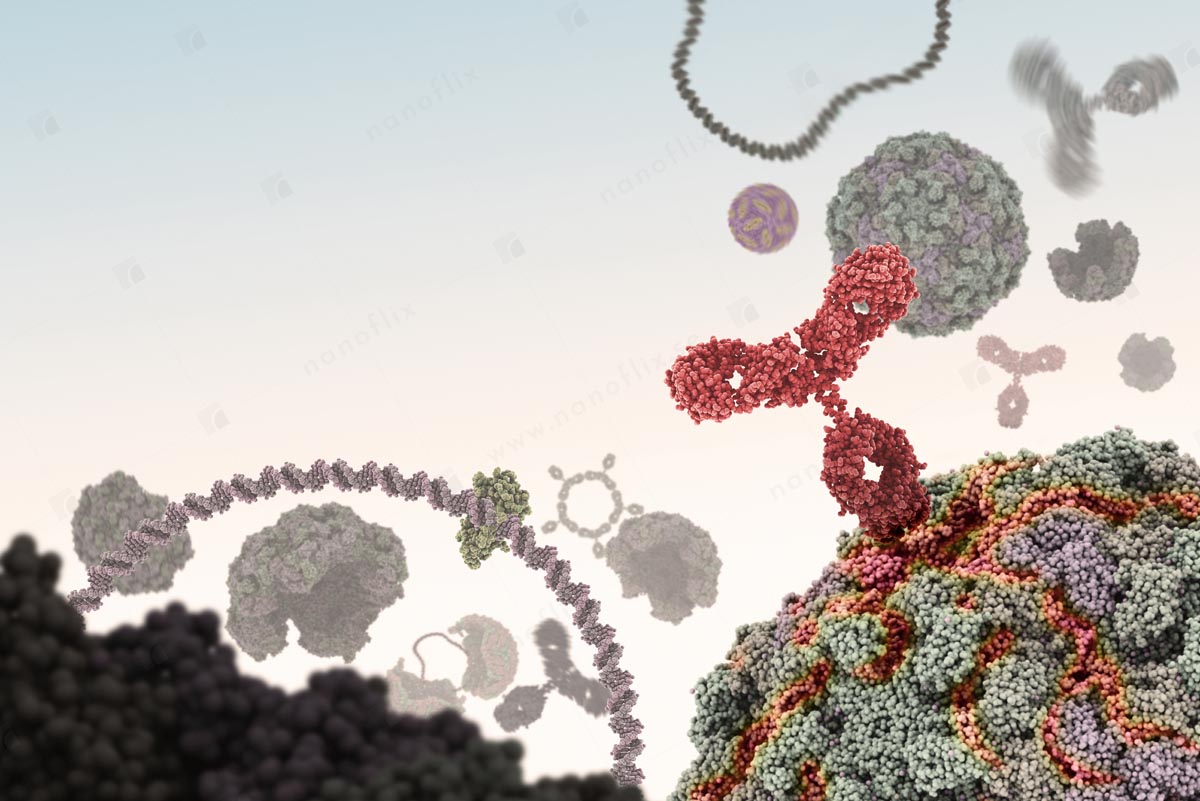
- Antibodies binding to an antigen. Antibodies are part of the immune system that identifies and neutralizes foreign objects.
-
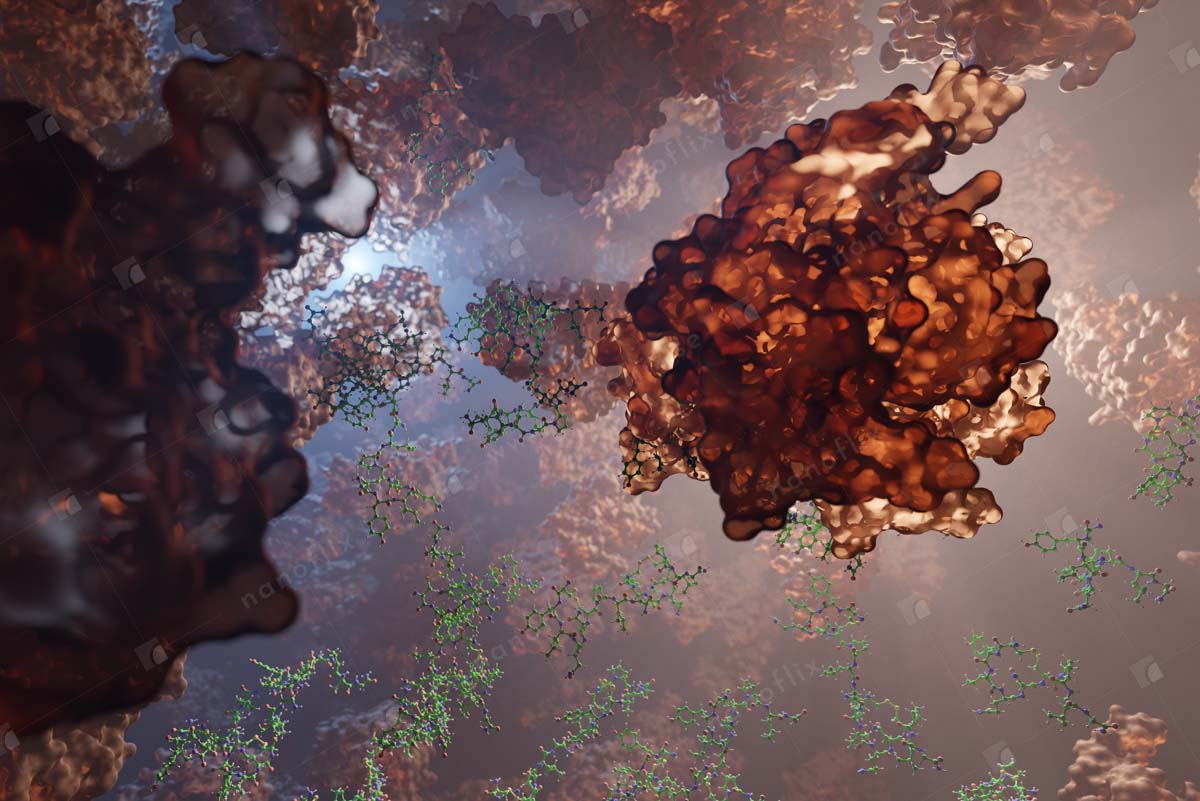
- Conceptual illustration of the interior of a cell.
-

- Serotonin (a neurotransmitter) presented as ball-and-stick model. Its biological function is modulating mood, cognition, reward, learning, memory, etc.

-
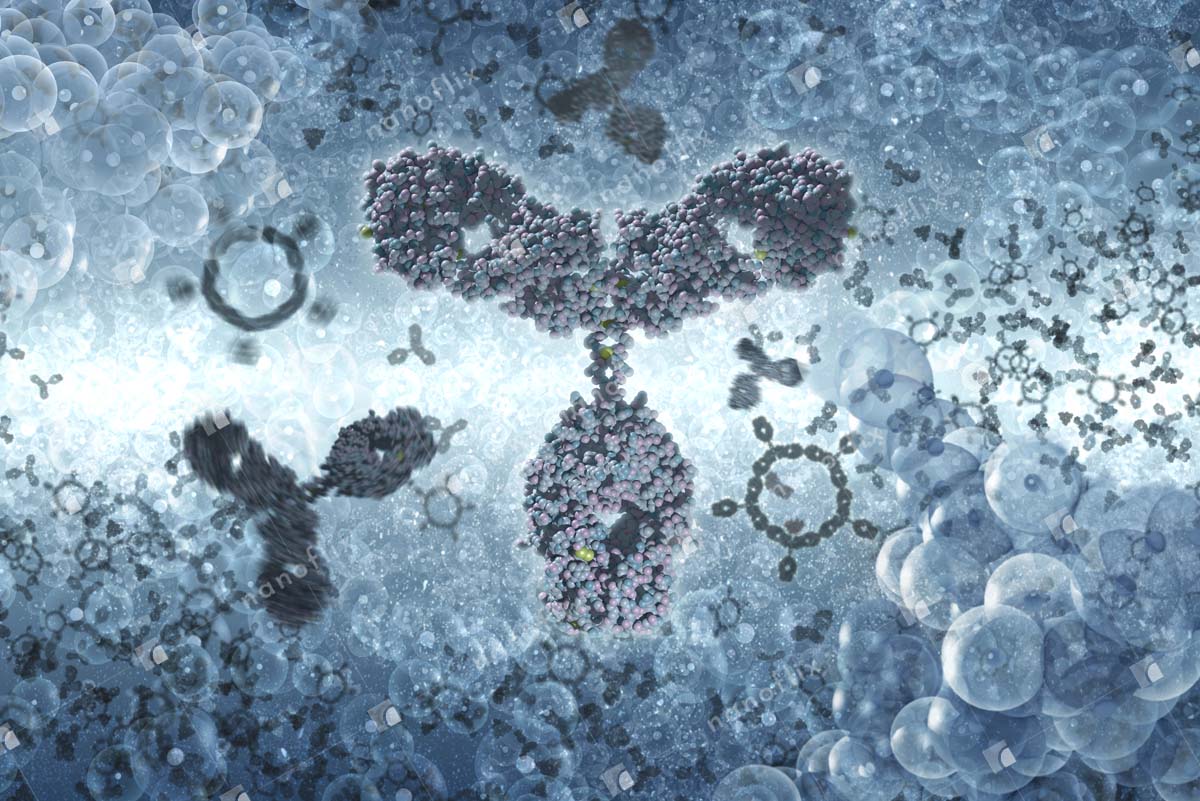
- An antibody, a.k.a. immunoglobulin, is a large Y-shaped protein used by the immune system to identify and neutralize foreign objects such as viruses.
-
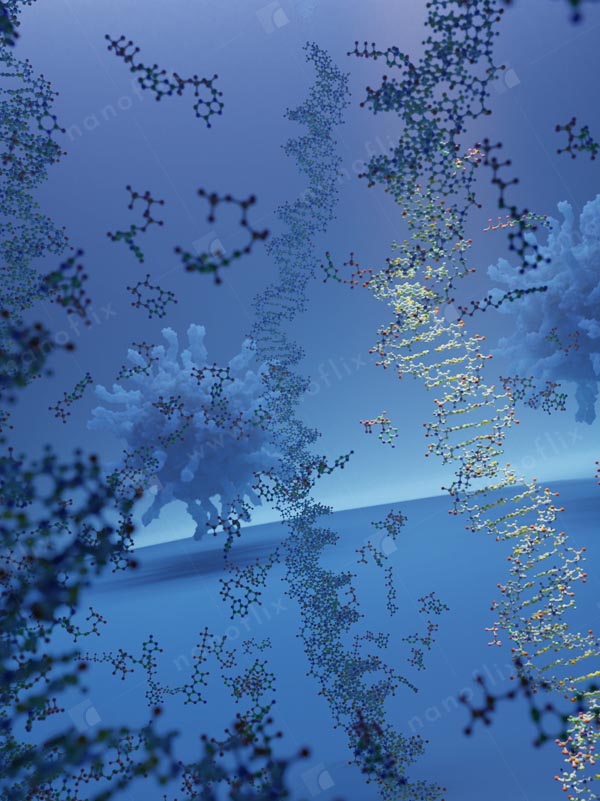
- A conceptual image of viral DNA. Some viruses contain a double stranded DNA genome.
-
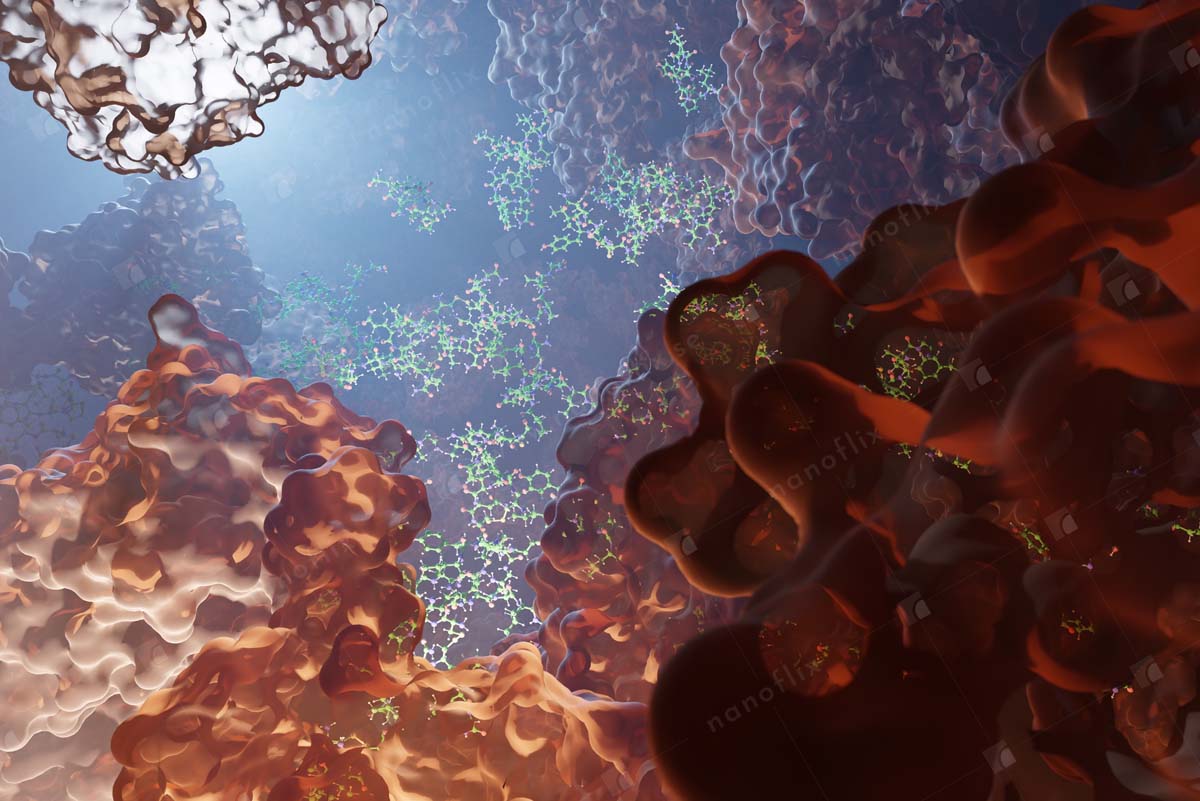
- Conceptual illustration of the interior of a cell.
-
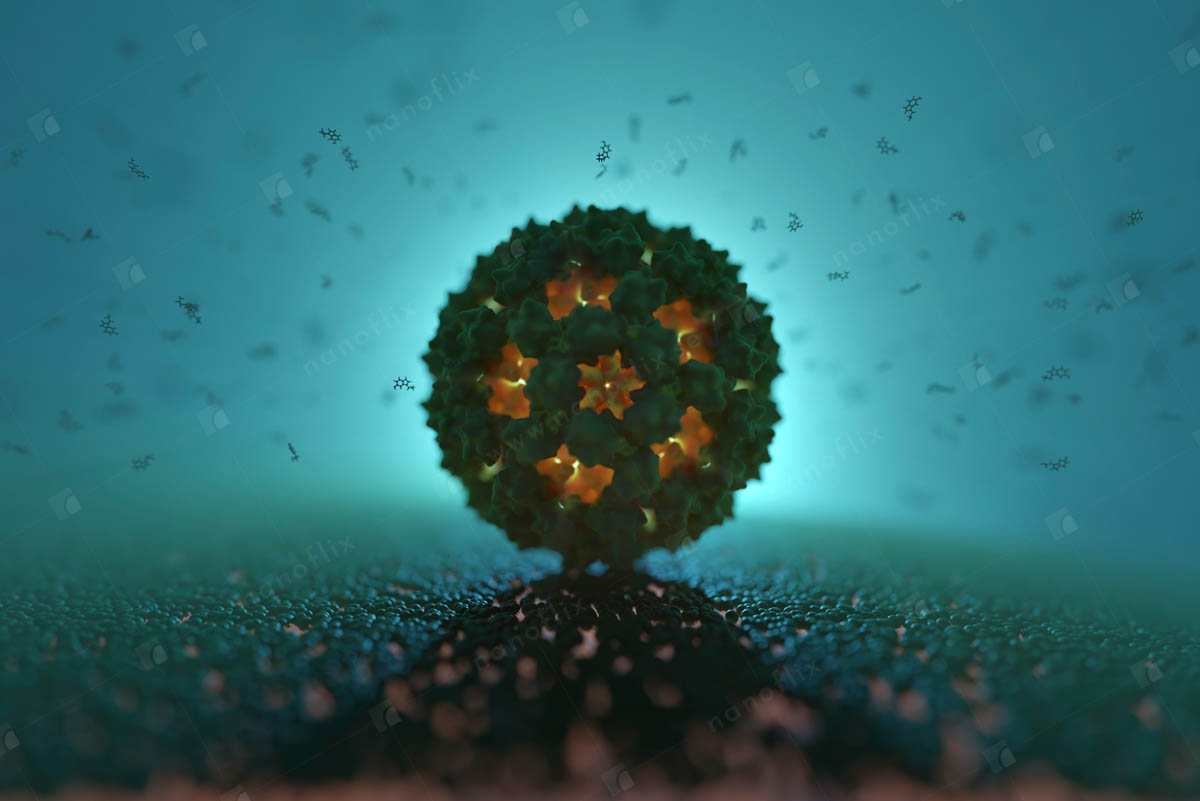
- Norovirus (a winter vomiting bug), is the most common cause of gastroenteritis, causing diarrhea, vomiting, stomach pain, fever or headaches.
-
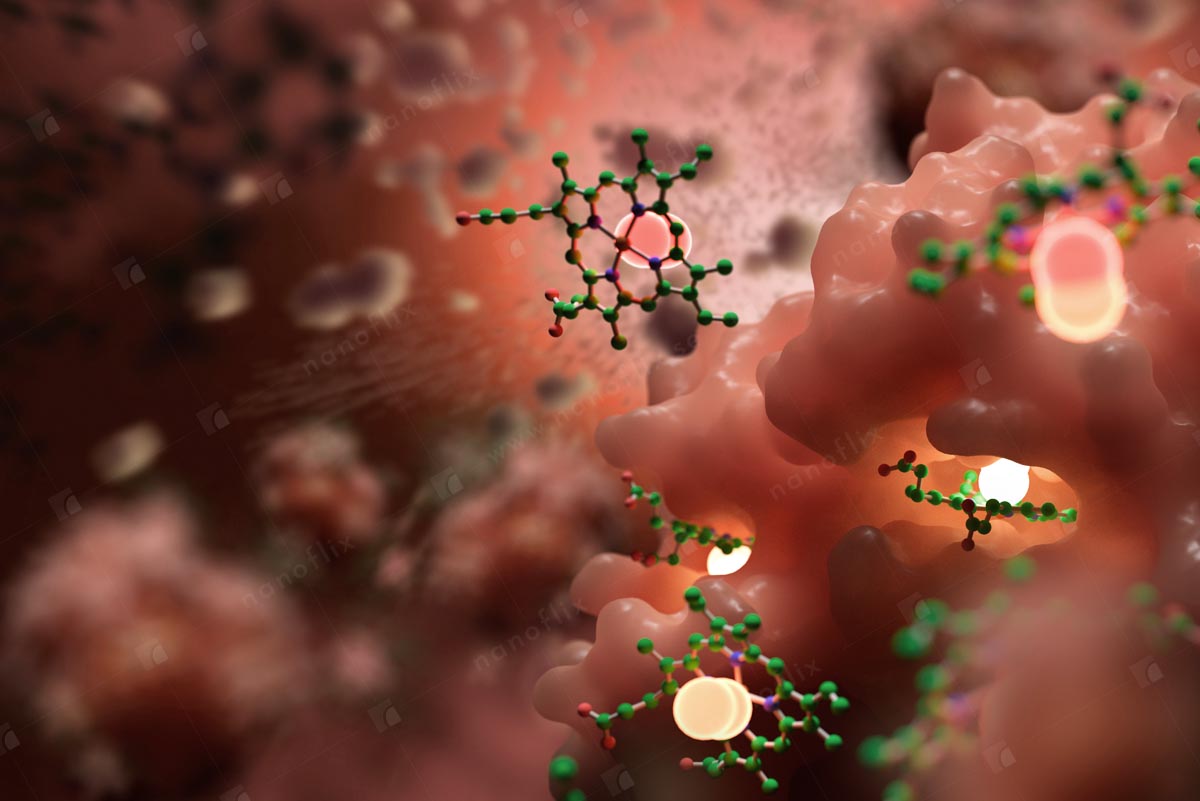
- Hemoglobin (Hb or Hgb), is the iron-containing oxygen-transport metalloprotein in the red blood cells. It carries oxygen from the lungs to the body.
-
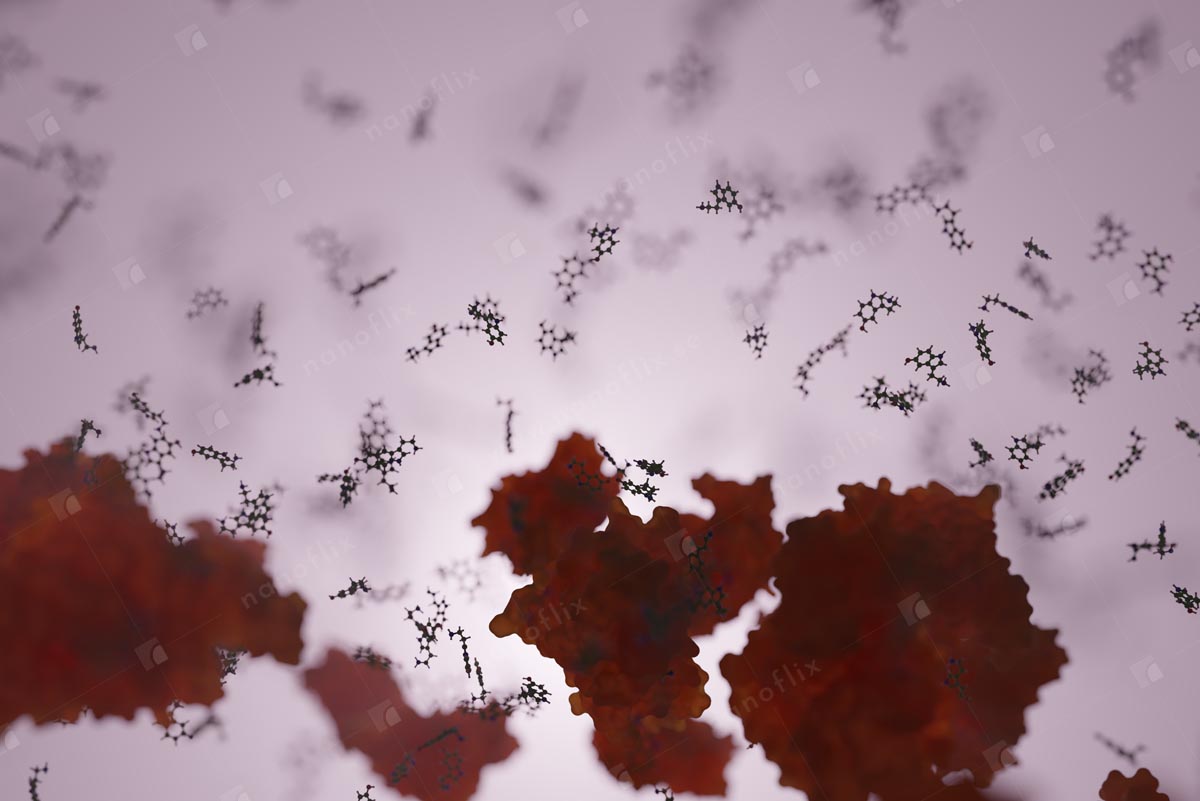
- Serotonin (a neurotransmitter) presented as ball-and-stick model. Its biological function is modulating mood, cognition, reward, learning, memory, etc.
-
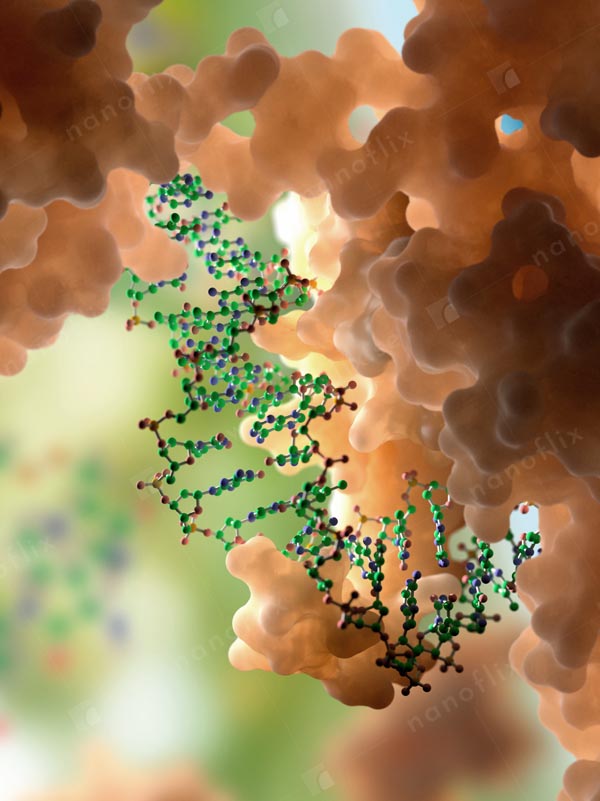
- DNA and protein interaction at molecular level. DNA-binding proteins control transcription, gene expression etc.
-

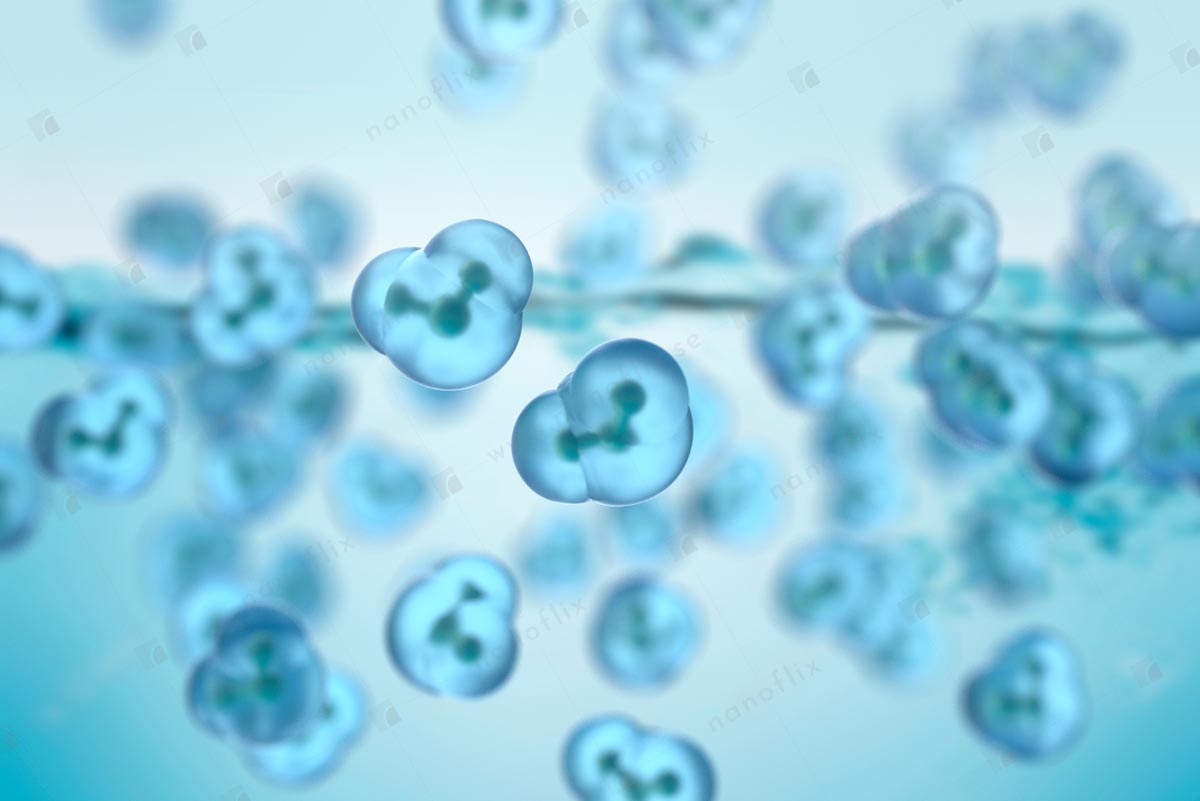
- Water molecules. Each water molecule consits of two hydrogen atoms bound to one oxygen atom.

-
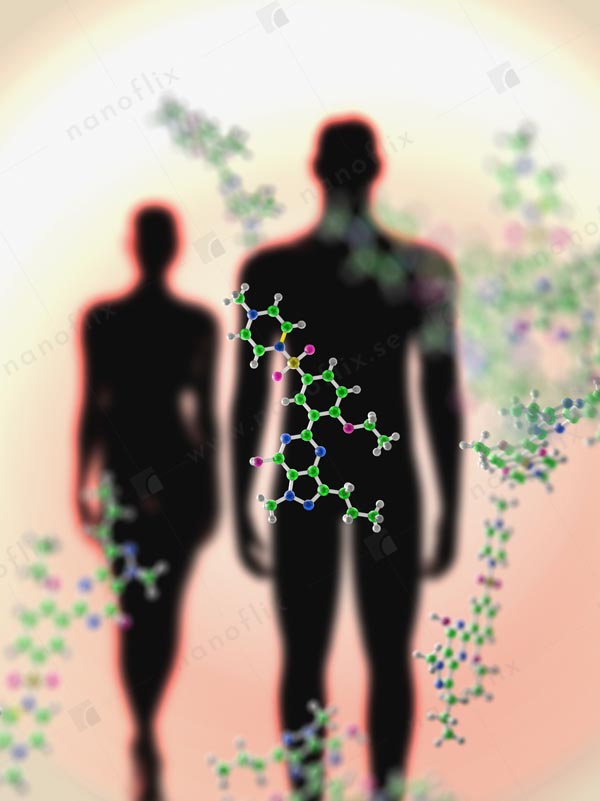
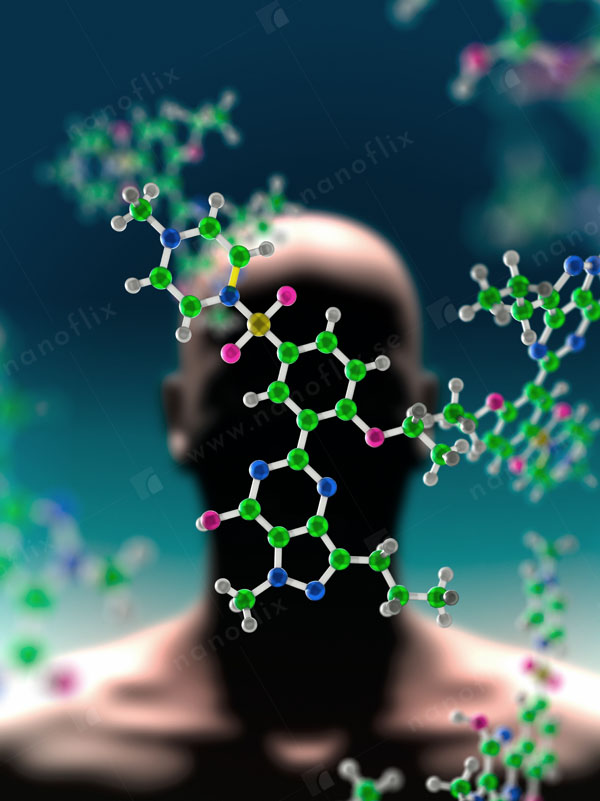
- Sildenafil (Viagra) molecule, a synthetic medicine for the treatment of impotency.
-
- Sildenafil (Viagra) molecule, a synthetic medicine for the treatment of impotency.
-

- Water molecules. Each water molecule consits of two hydrogen atoms bound to one oxygen atom.
-
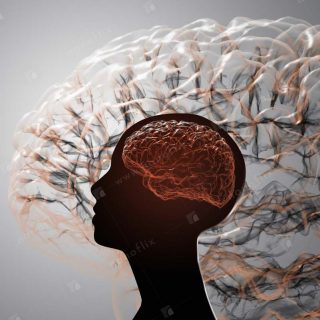
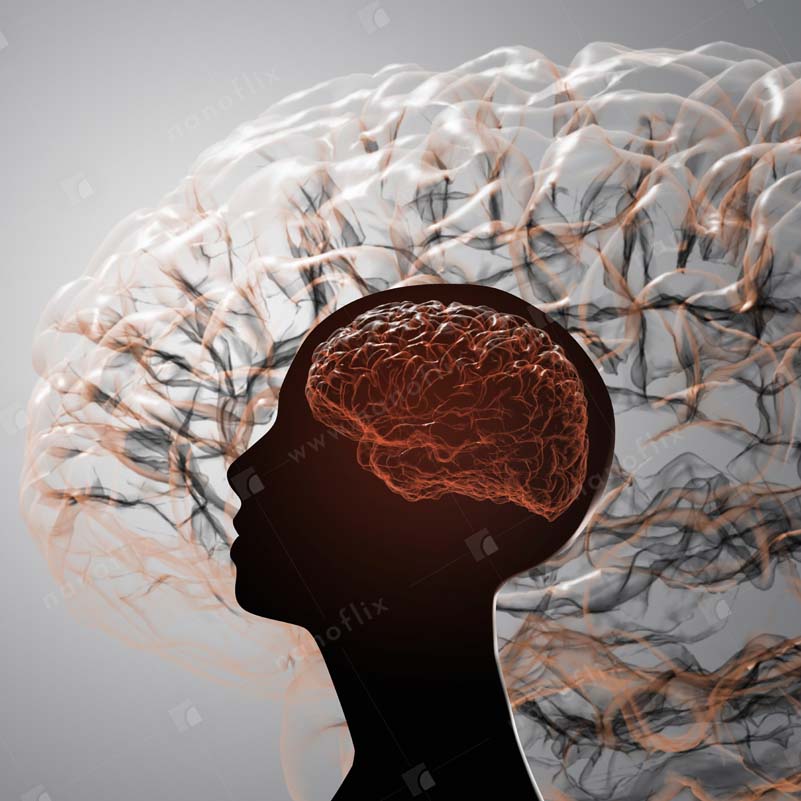
- A brain is an organ that serves as the center of the nervous system in all vertebrate and most invertebrate animals.
-
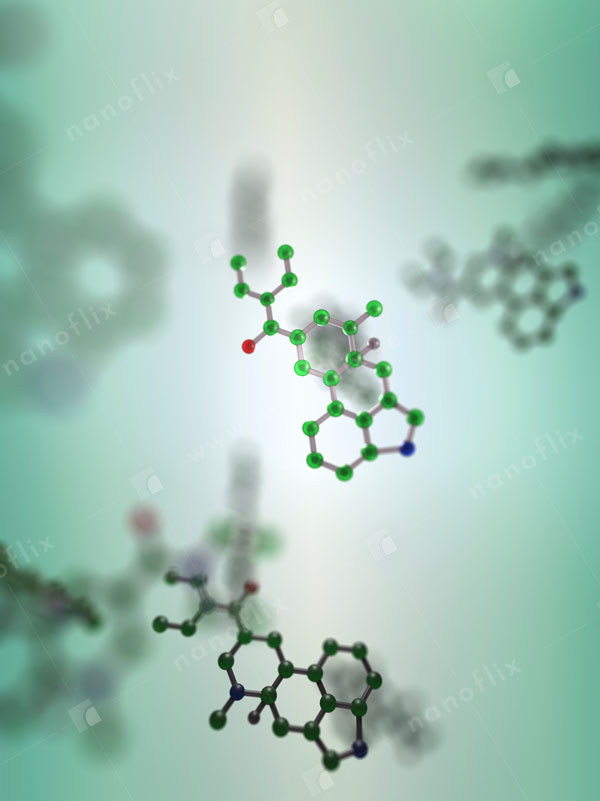
- LSD is a psychedelic drug. Effects typically include intensified thoughts, emotions, and sensory perception.
-
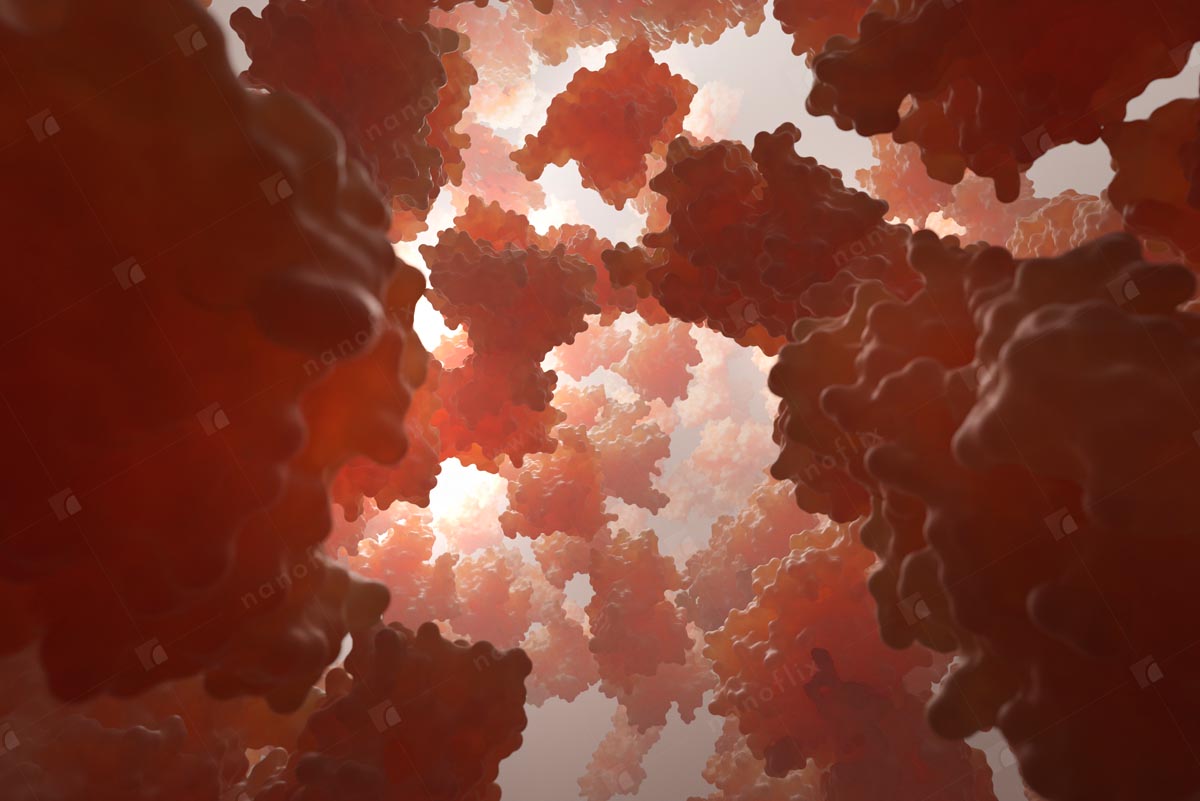
- Hemoglobin is the iron-containing oxygen-transport metalloprotein in the red blood cells. It carries oxygen from the lungs to the rest of the body.
-
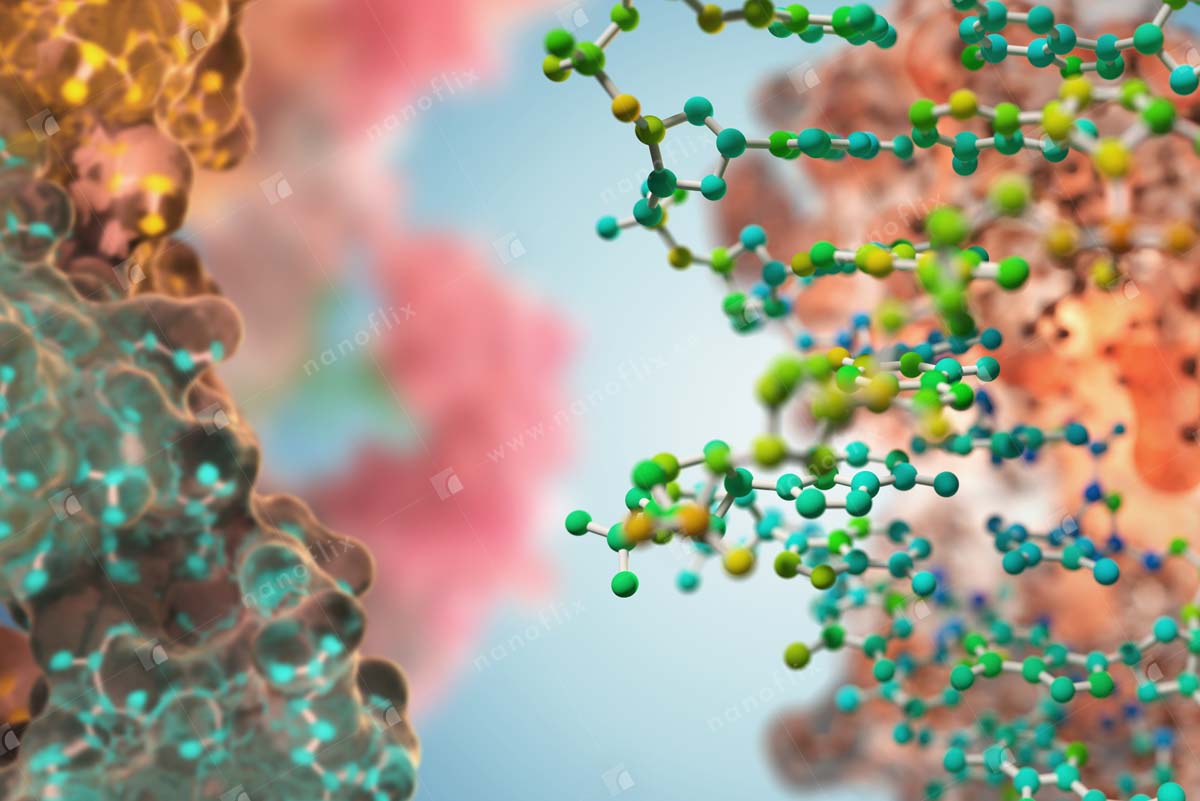
- DNA and protein interaction at molecular level. DNA-binding proteins control transcription, gene expression etc.
-
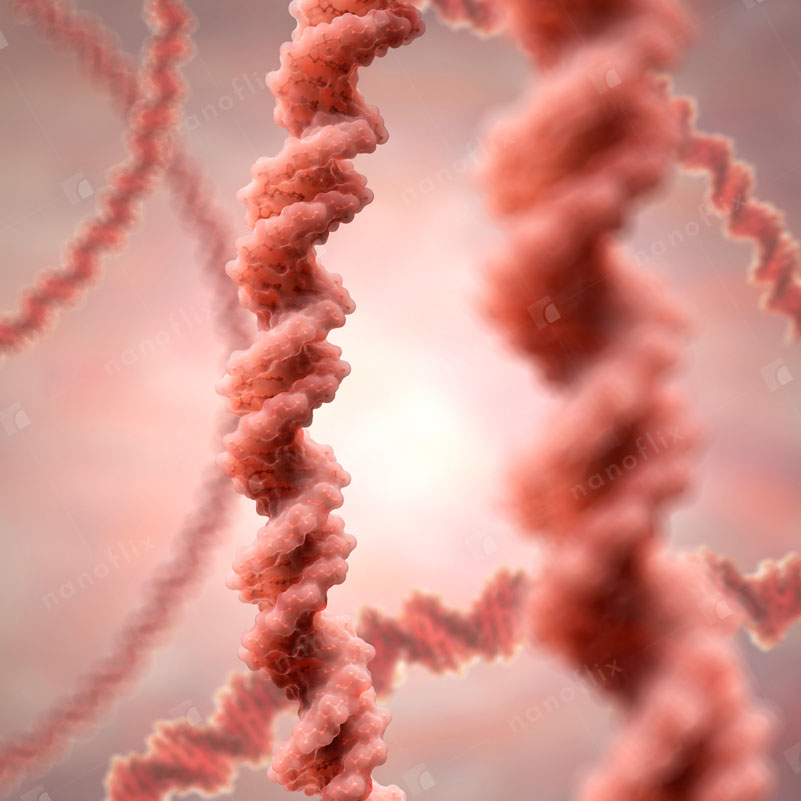
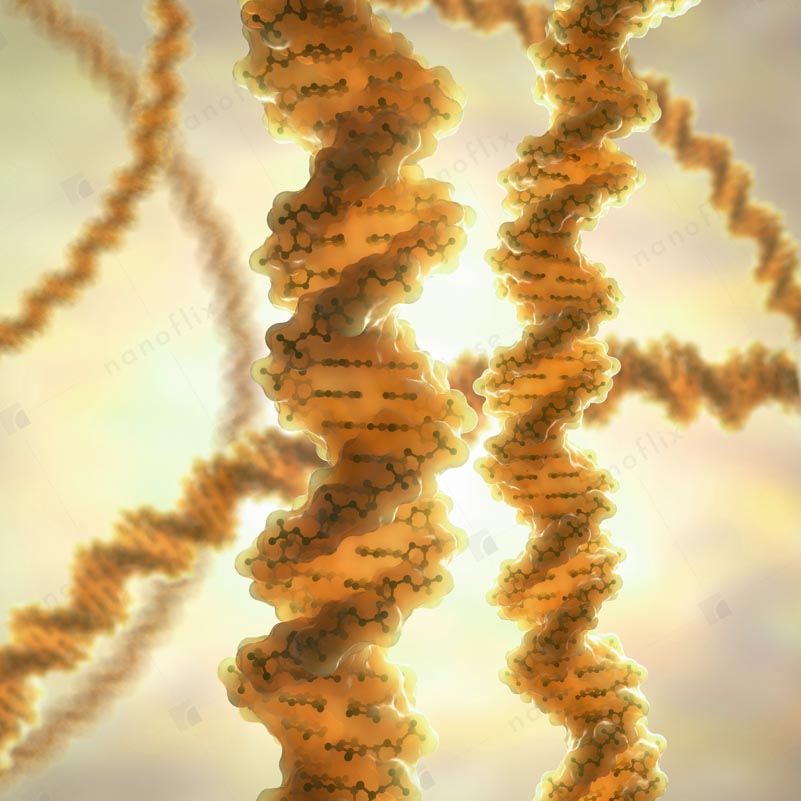
- DNA chains. Scientifically correct representation of the DNA molecule. Long chains of DNA, carrying the genetic code, resides in the nucleus of the cell.
-
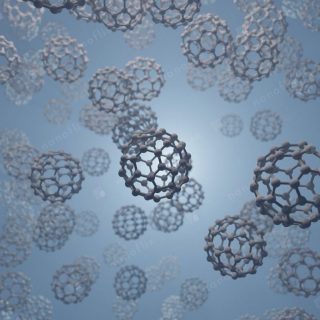
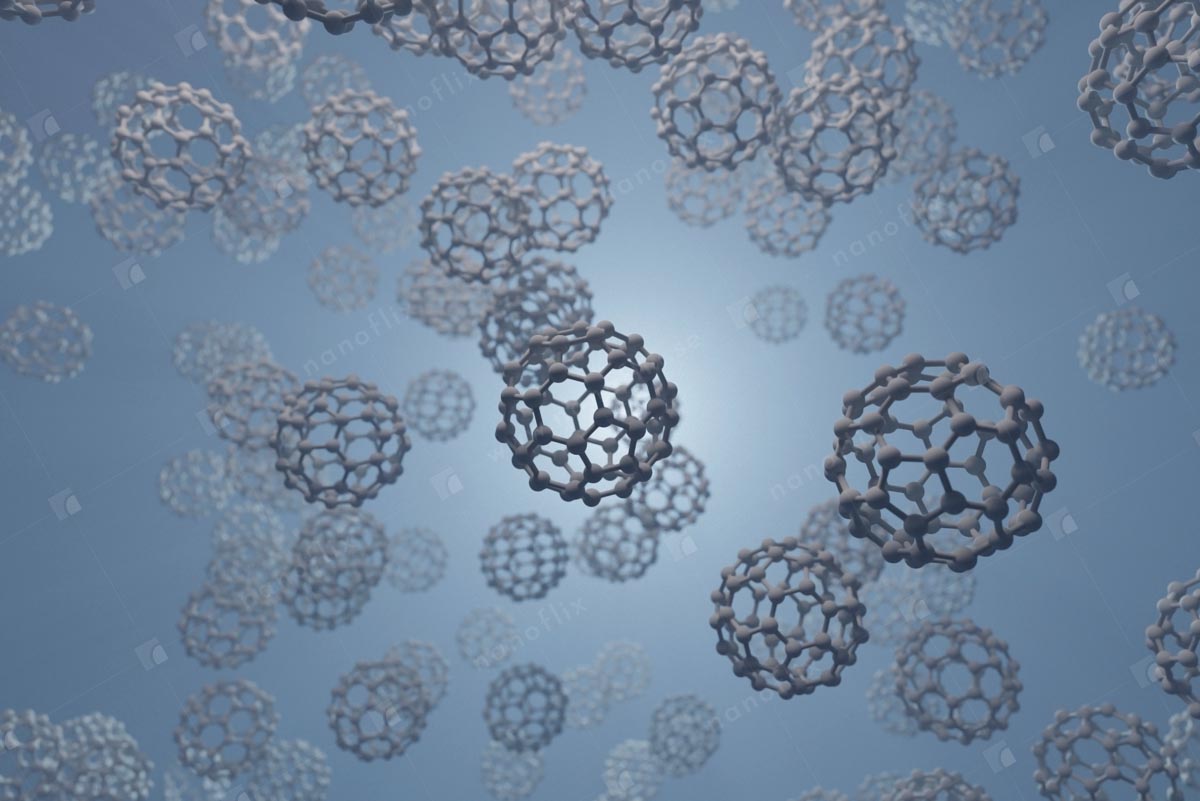
- Buckyball is a type of fullerene with 60 carbon atoms. It has a cage-like structure that resembles a soccer ball, made of 20 hexagons and 12 pentagons.
-
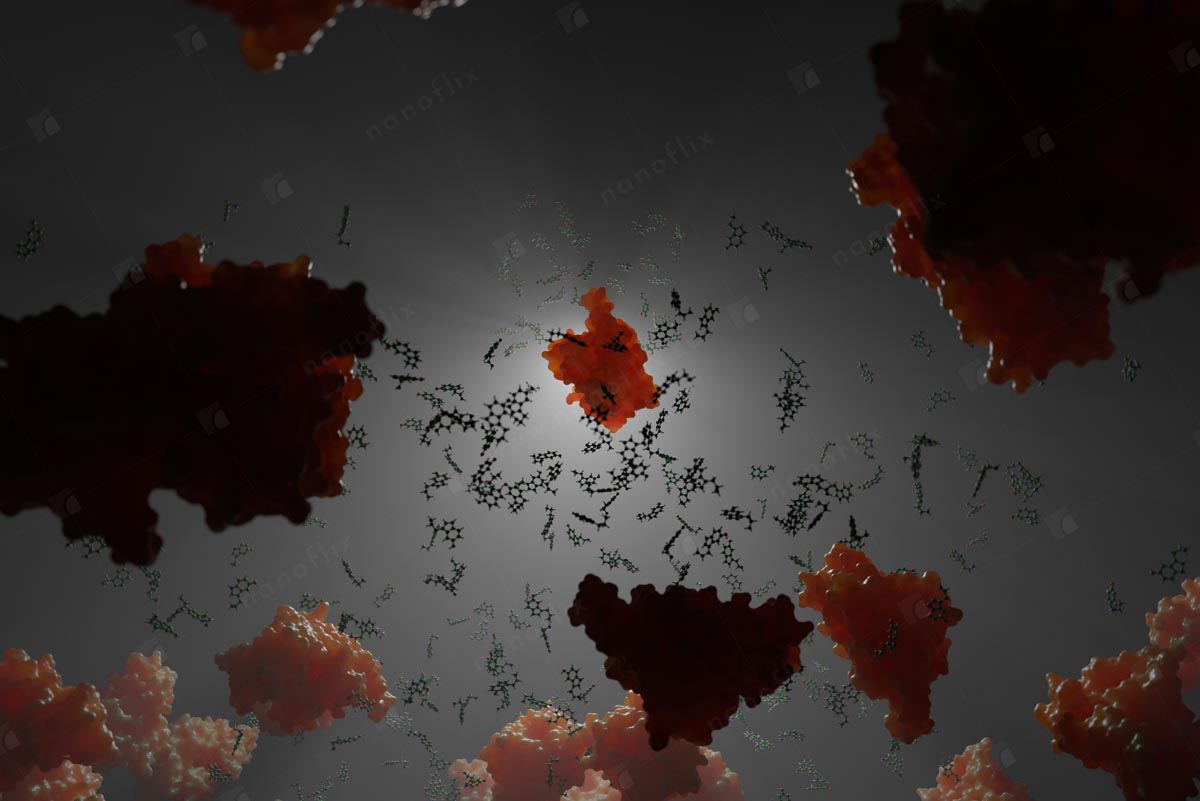
- Serotonin (a neurotransmitter) presented as ball-and-stick model. Its biological function is modulating mood, cognition, reward, learning, memory, etc.
-
- DNA chains. Scientifically correct representation of the DNA molecule. Long chains of DNA, carrying the genetic code, resides in the nucleus of the cell.
-
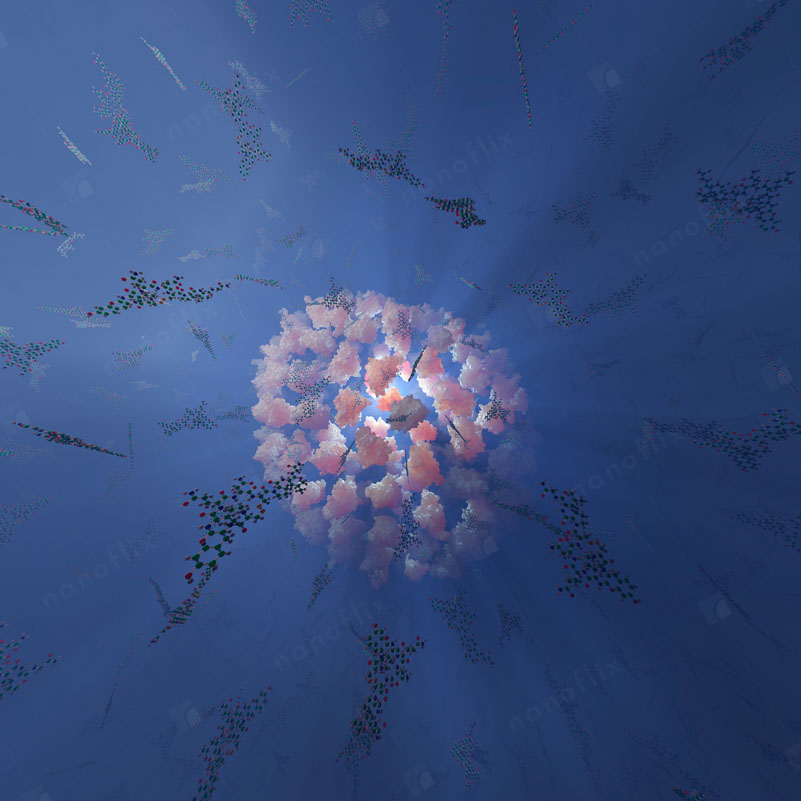
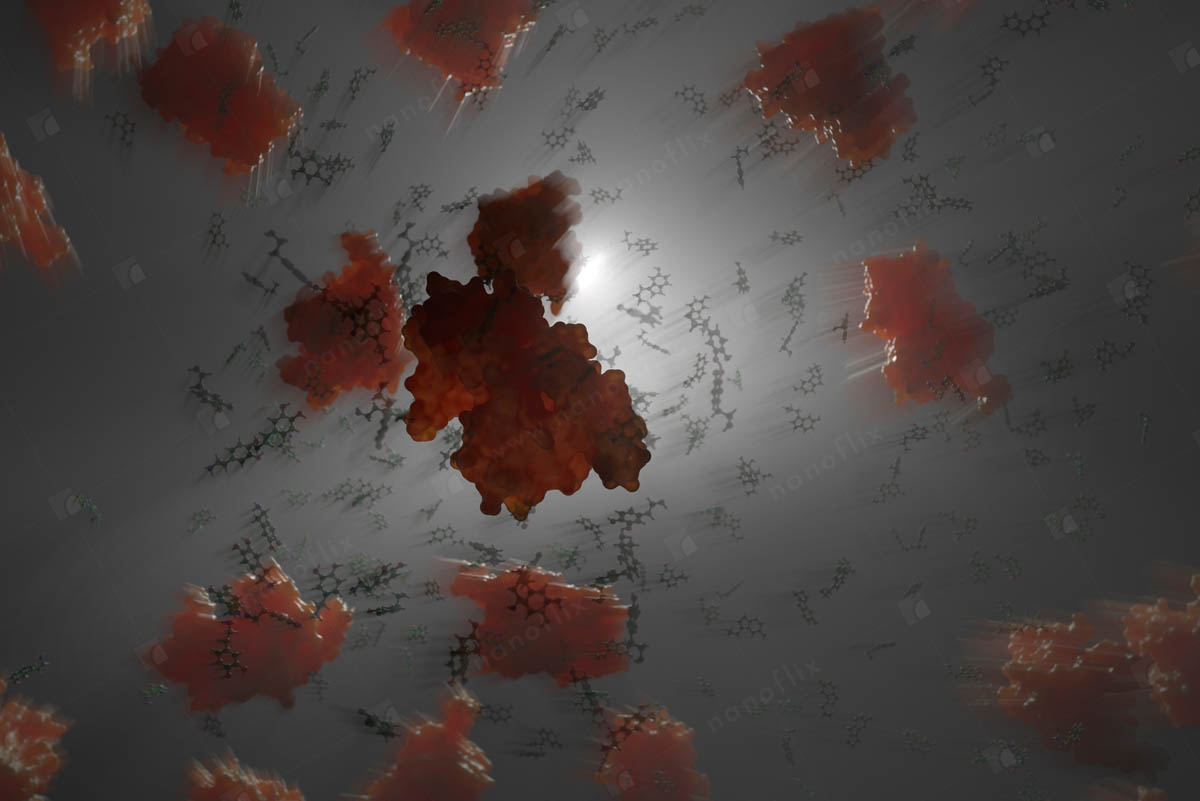
- Self-assembly of a capsid or virion (a virus particle). Inside the cell, viruses exist in the form of independent components (e.g. protein, genetic material etc), Antiviral drugs can inhibit or interfere with the assembly of the capsid or virion.
-

- Self-assembly of a capsid or virion (a virus particle). Inside the cell, viruses exist in the form of independent components (e.g. protein, genetic material etc), Antiviral drugs can inhibit or interfere with the assembly of the capsid or virion.

-

- Conceptual illustration of the genetic code that resides in the DNA double helix.
-
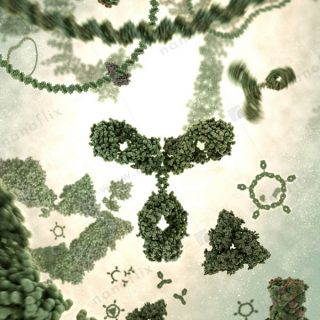
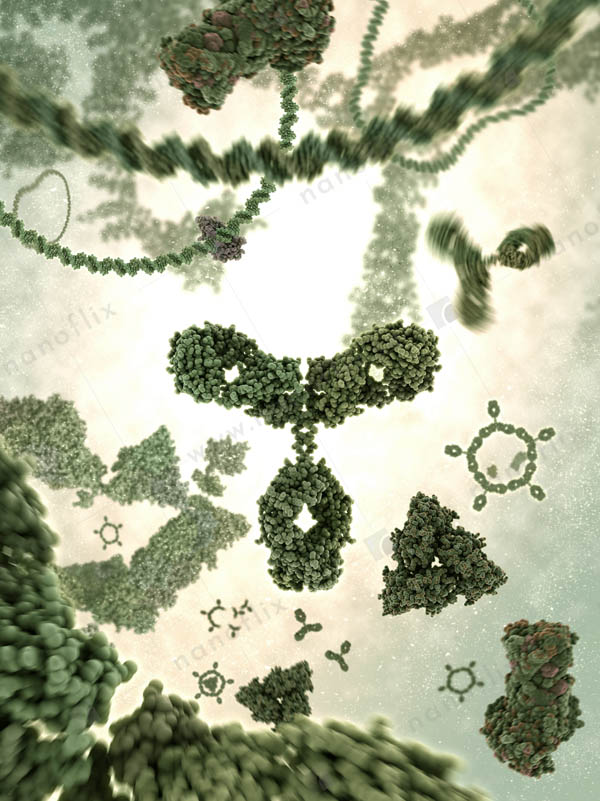
- An antibody, a.k.a. immunoglobulin, is a large Y-shaped protein used by the immune system to identify and neutralize foreign objects such as viruses.
-
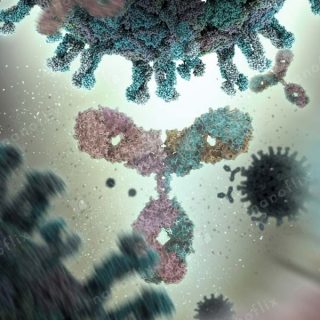
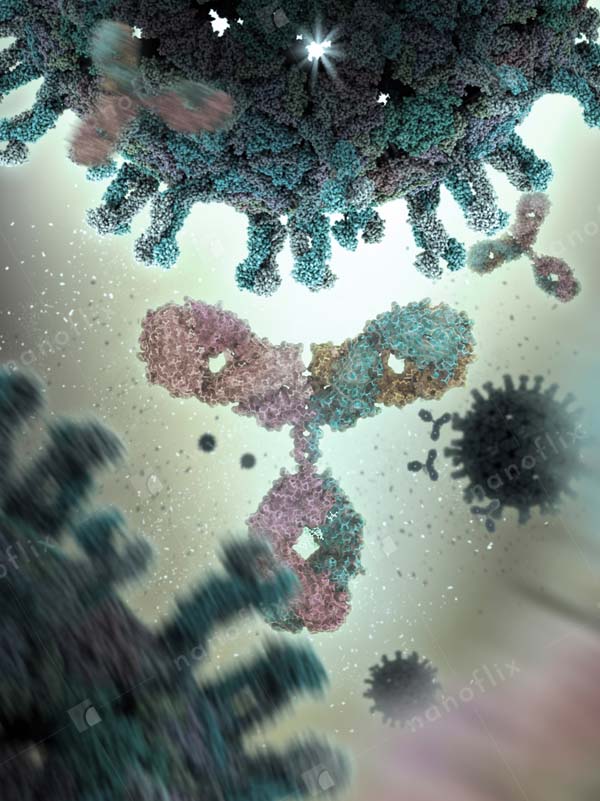
- An antibody, a.k.a. immunoglobulin, is a large Y-shaped protein used by the immune system to identify and neutralize foreign objects such as viruses.
-

- Water molecules. Each water molecule consits of two hydrogen atoms bound to one oxygen atom.

-
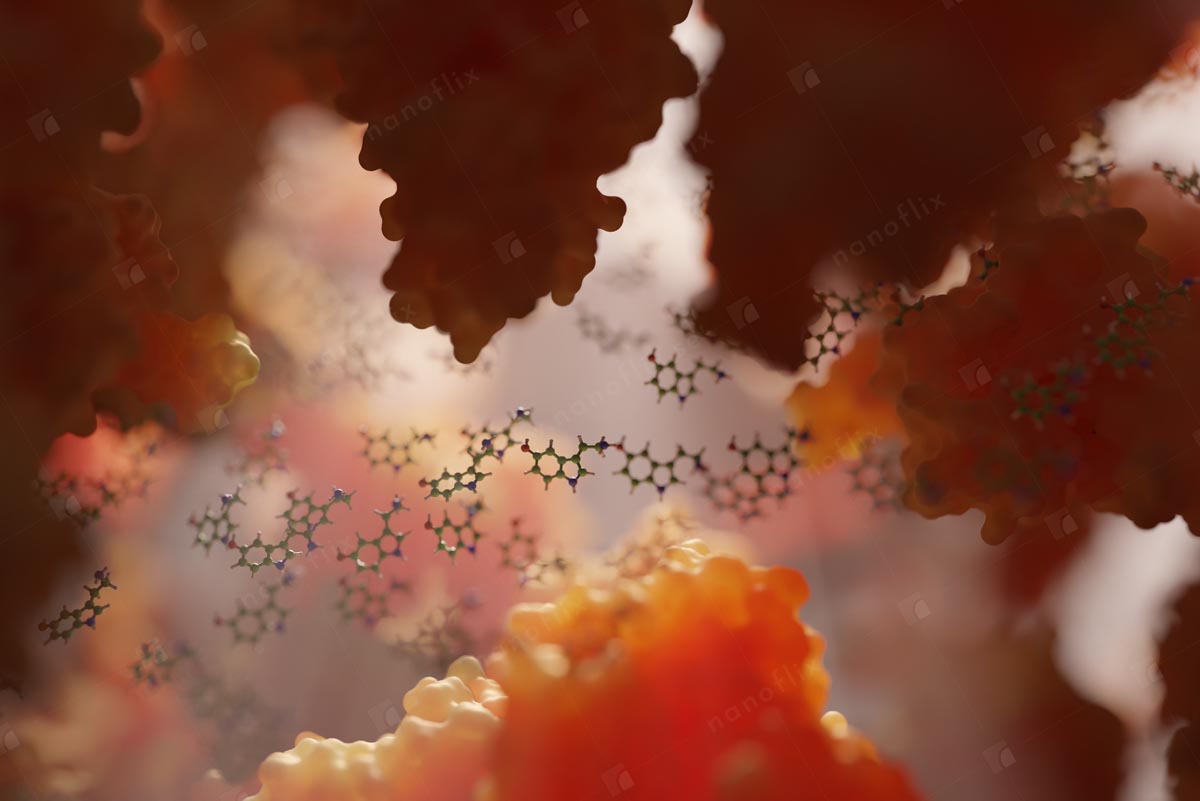
- Serotonin (a neurotransmitter) presented as ball-and-stick model. Its biological function is modulating mood, cognition, reward, learning, memory, etc.
-
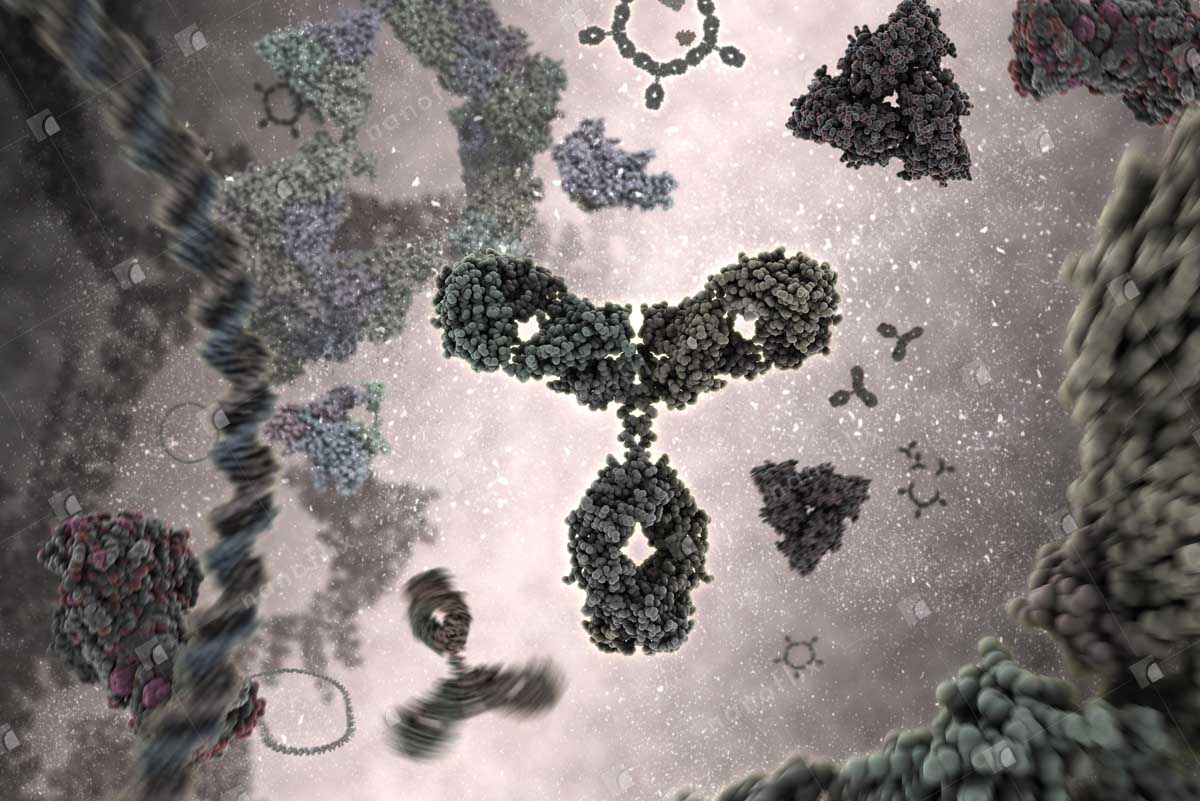
- An antibody, a.k.a. immunoglobulin, is a large Y-shaped protein used by the immune system to identify and neutralize foreign objects such as viruses.
-
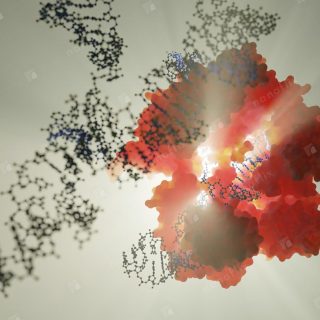
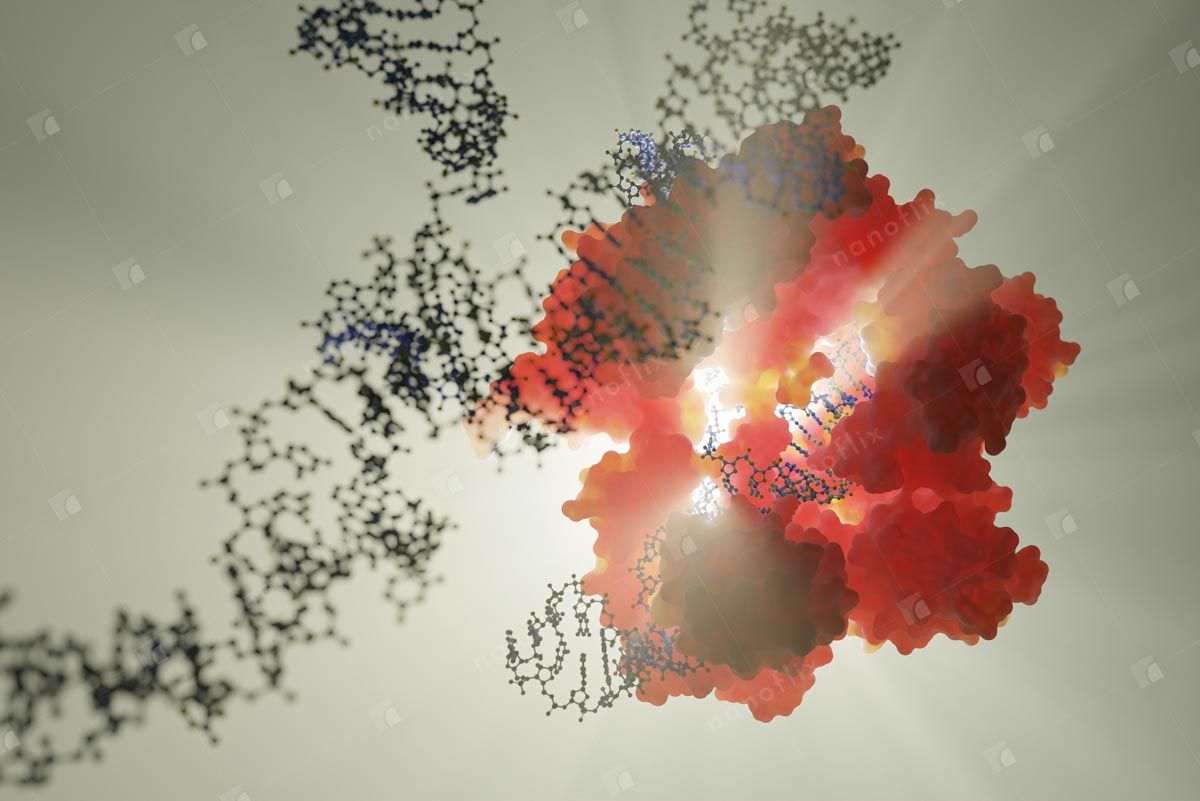
- DNA gene editing – CRISPR/Cas9. Working like genetic scissors, the protein (Cas9 nuclease) complexed with DNA and guide RNA, can modify or repair DNA (genome) with high precision.
-
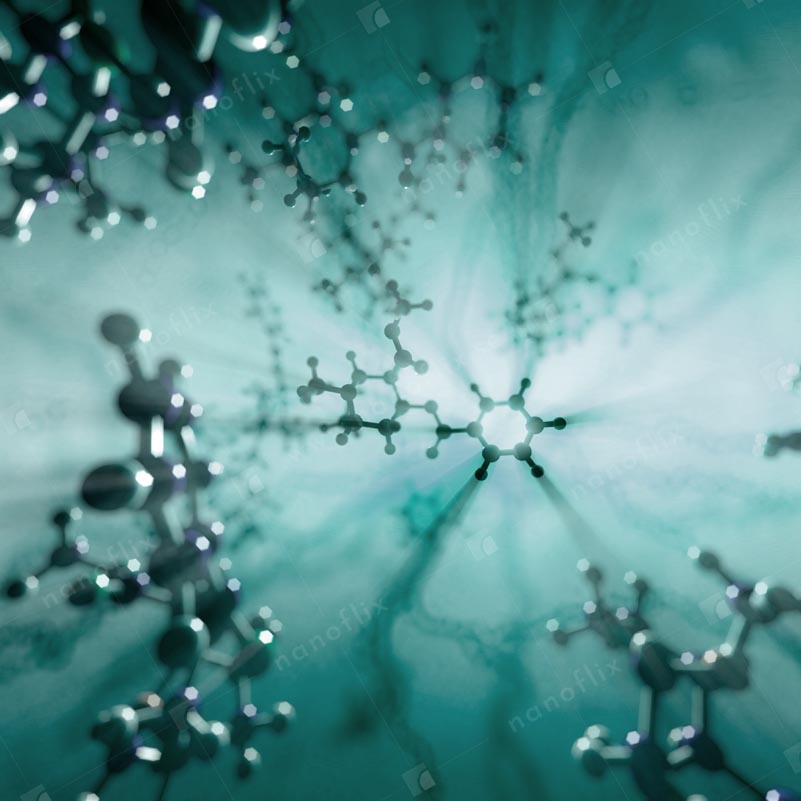
- Cocaine (a molecule) is a strong stimulant most frequently used as a recreational drug. Mental effects may include an intense feeling of happiness.
-

- Serotonin (a neurotransmitter) presented as ball-and-stick model. Its biological function is modulating mood, cognition, reward, learning, memory, etc.
-
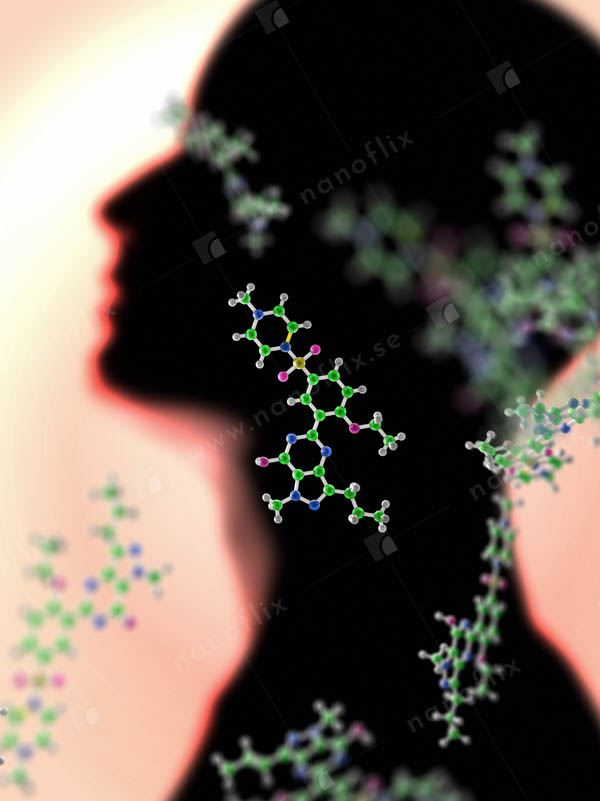
- Sildenafil (Viagra) molecule, a synthetic medicine for the treatment of impotency.
-
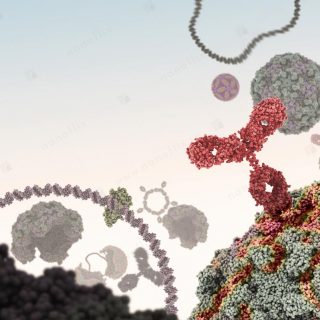
- An antibody, a.k.a. immunoglobulin, is a large Y-shaped protein used by the immune system to identify and neutralize foreign objects such as viruses.
-

- Norovirus (a winter vomiting bug), is the most common cause of gastroenteritis, causing diarrhea, vomiting, stomach pain, fever or headaches.

-

- Nucleosome. Histones (proteins found in the cells nucleus) specific function is to pack and order DNA into structural units called nucleosomes.