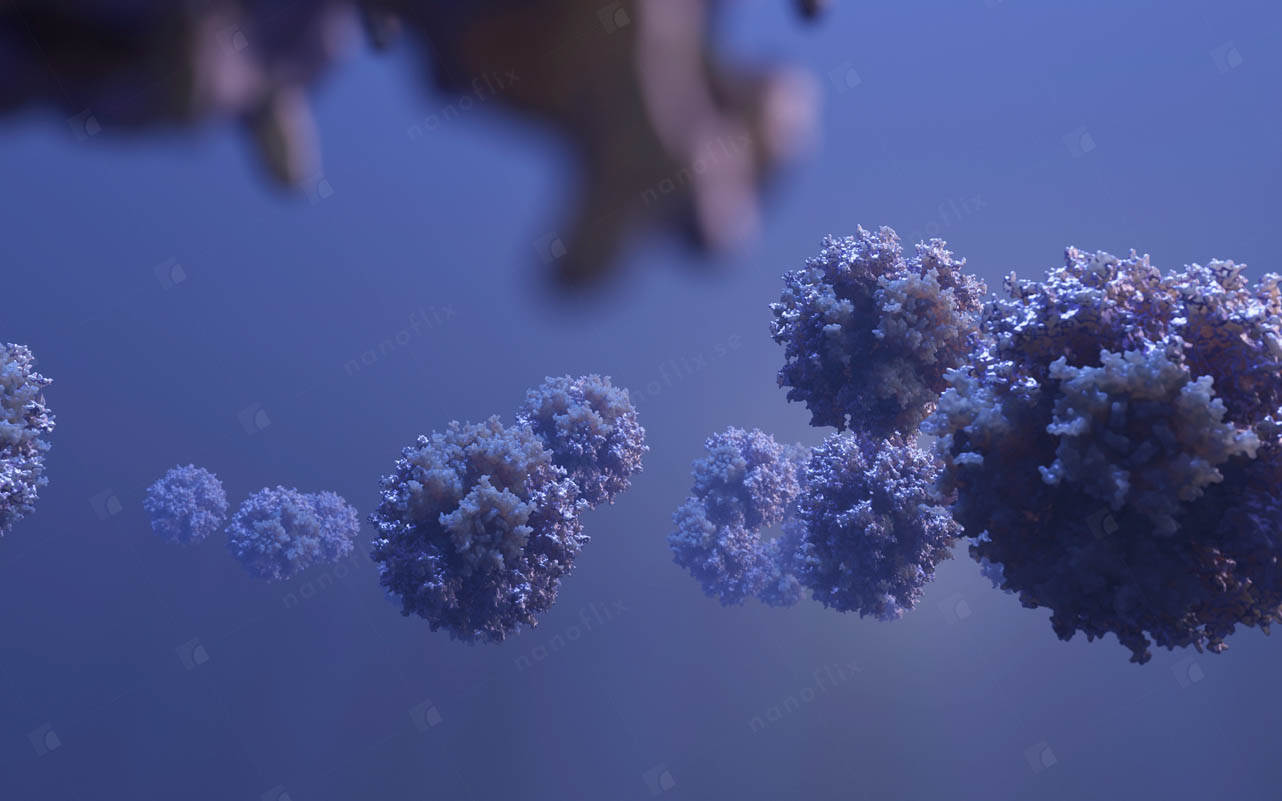
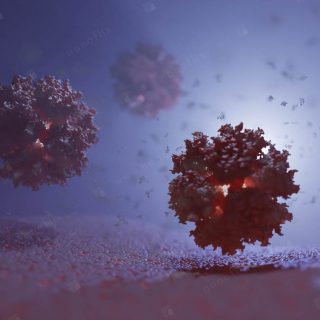
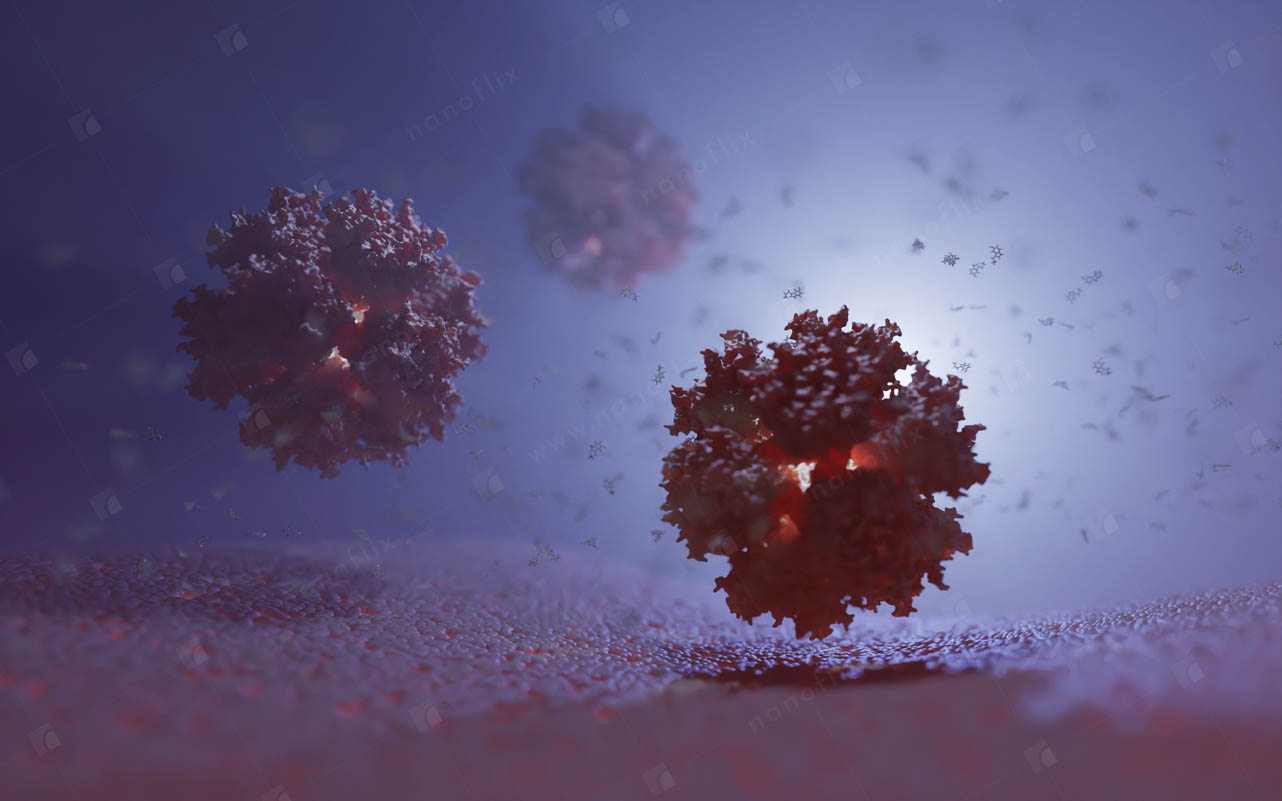
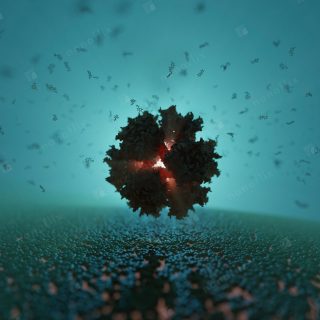
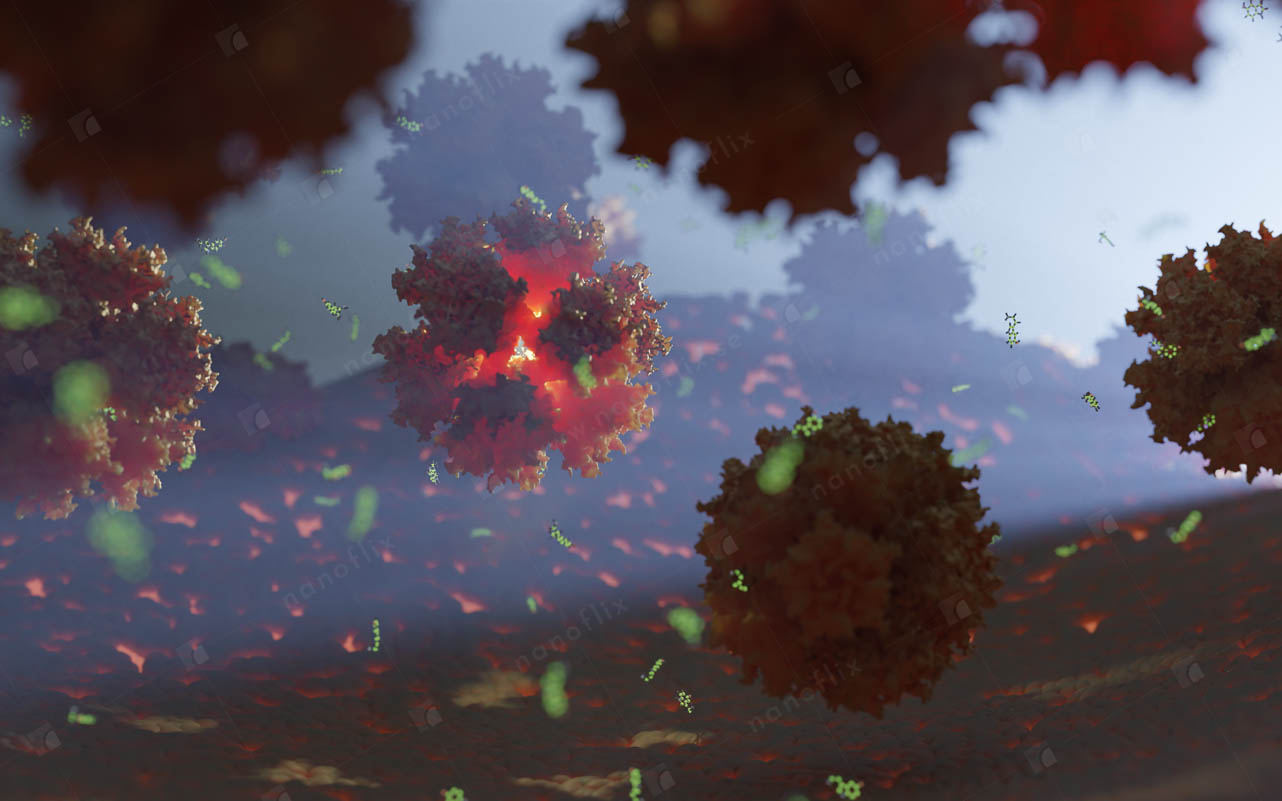
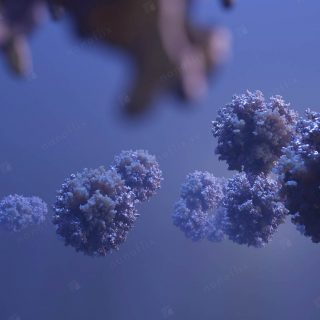
Adenoviruses are medium-sized (90–100 nm) viruses with an icosahedral nucleocapsid containing a double stranded DNA genome. In 2010, the structure of the human adenovirus was solved at the atomic level, making it the largest high-resolution model ever. This last fact alone posed a great challenge even for our high-end hardware and software in the process of handling and rendering this multi-gigabyte colossus.
The virus is composed of around 1 million amino acid residues and weighs around 150 MDa. Currently, there is no approved adenovirus vaccine available to the general public, but a vaccine is available for the United States military.
GENE THERAPY
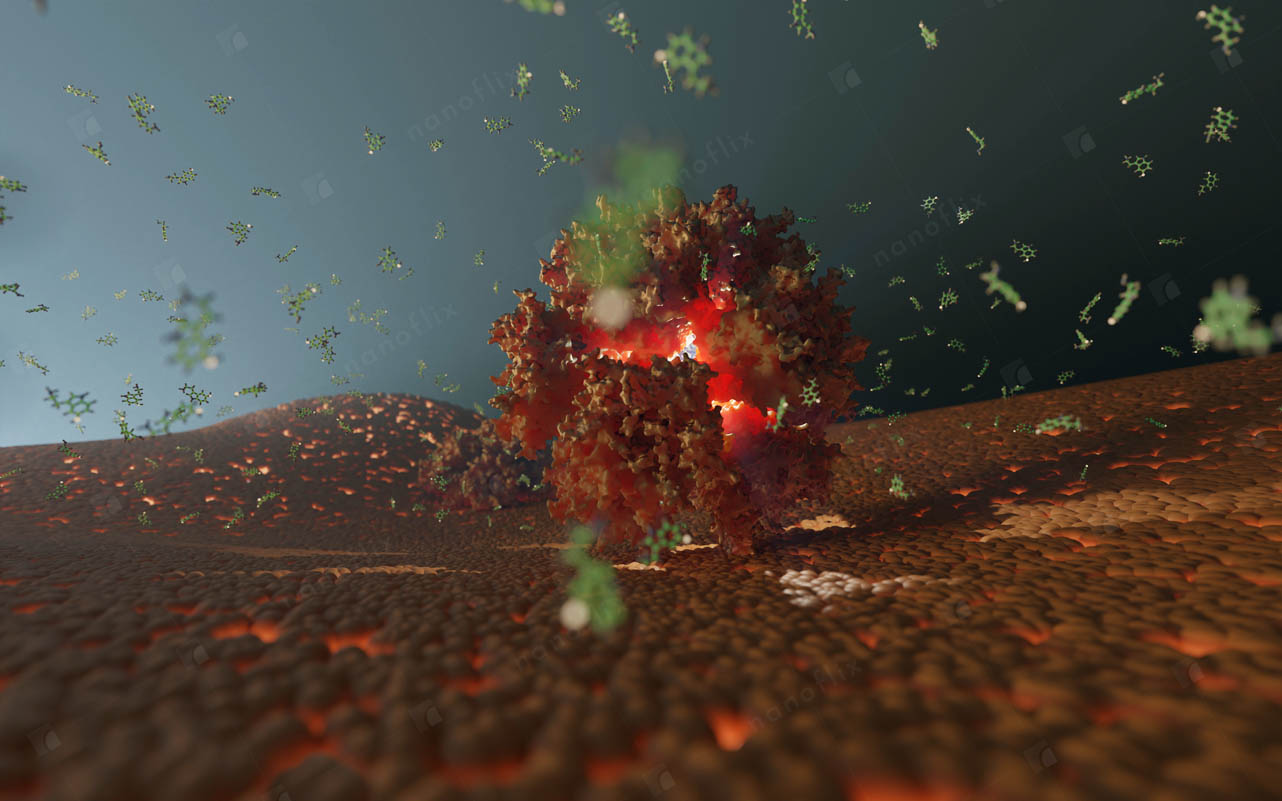
Adenoviruses have long been a popular viral vector for gene therapy due to their ability to affect both replicating and non-replicating cells, accommodate large transgenes, and code for proteins without integrating into the host cell genome. More specifically, they are used as a vehicle to administer targeted therapy, in the form of recombinant DNA or protein. This therapy has been found especially useful in treating monogenic disease (e.g. cystic fibrosis, X-linked SCID, alpha1-antitrypsin deficiency) and cancer. In China, oncolytic adenovirus is an approved cancer treatment.
Adenovirus has been used for delivery of CRISPR/Cas9 gene editing systems, but high immune reactivity to viral infection has posed challenges in use for patients.
VACCINES (Viral vector vaccines)
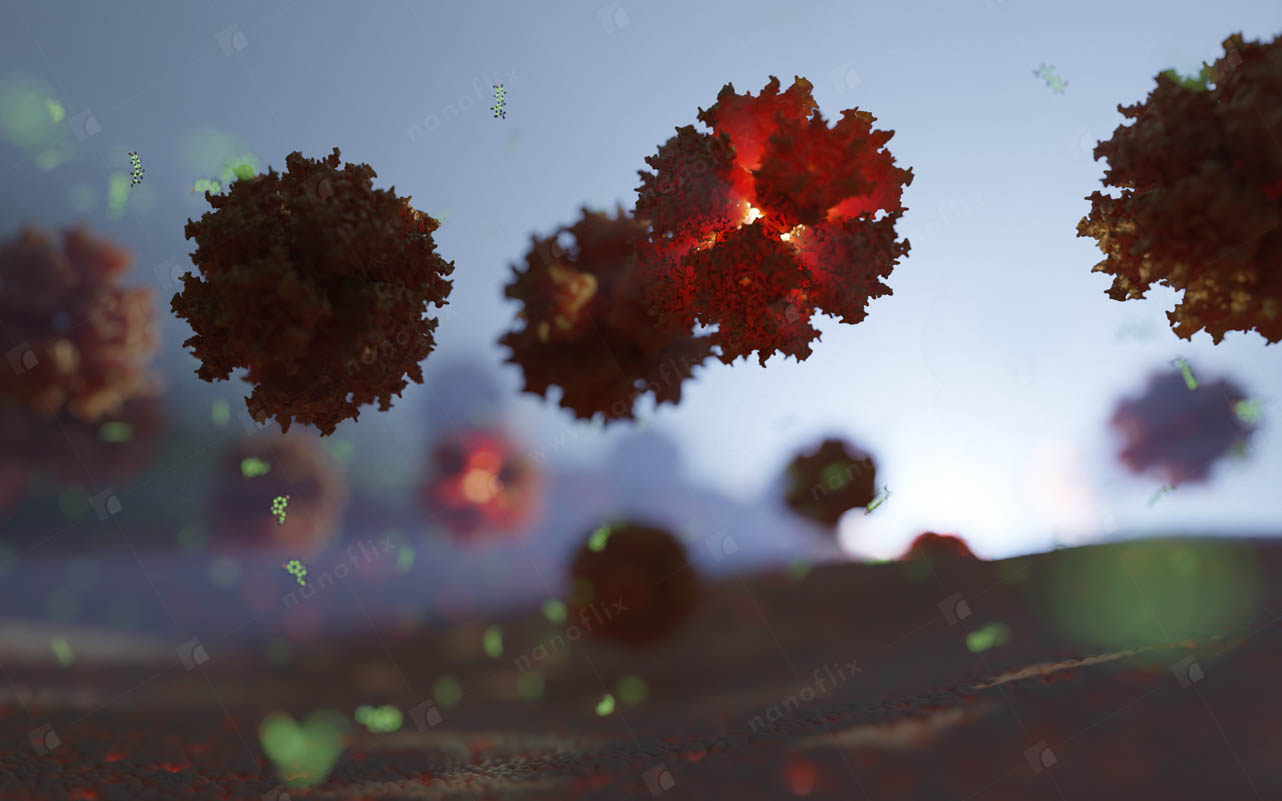
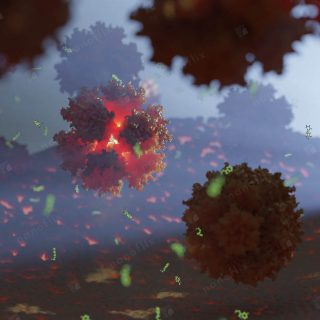
Adenovirus have been used to produce viral vector vaccines. A viral vector vaccine is a vaccine that uses a viral vector to deliver genetic material coding for a desired antigen into the recipient’s host cells. As of April 2021, six viral vector vaccines have been authorized for use in humans, four Covid-19 vaccines and two Ebola vaccines. Modified (recombinant) adenovirus vectors, including replication incompetent types, can deliver DNA coding for specific antigens, such as the spike glycoprotein of the corona virus.
There are possible issues with using Adenovirus as vaccine vectors. The human body develops immunity to the vector itself, making subsequent booster shots difficult or impossible. In some cases, people have pre-existing immunity to Adenoviruses, making vector delivery ineffective.
-
- © 2021 Nanoflix/Jakob Hall
-

- © 2021 Nanoflix/Jakob Hall

-

- © 2021 Nanoflix/Jakob Hall
-

- © 2021 Nanoflix/Jakob Hall

-
- © 2021 Nanoflix/Jakob Hall
-
- © 2021 Nanoflix/Jakob Hall

-

- © 2021 Nanoflix/Jakob Hall

-

- © 2021 Nanoflix/Jakob Hall

-

- © 2021 Nanoflix/Jakob Hall

-

- © 2021 Nanoflix/Jakob Hall

-
- © 2021 Nanoflix/Jakob Hall
-
- © 2021 Nanoflix/Jakob Hall