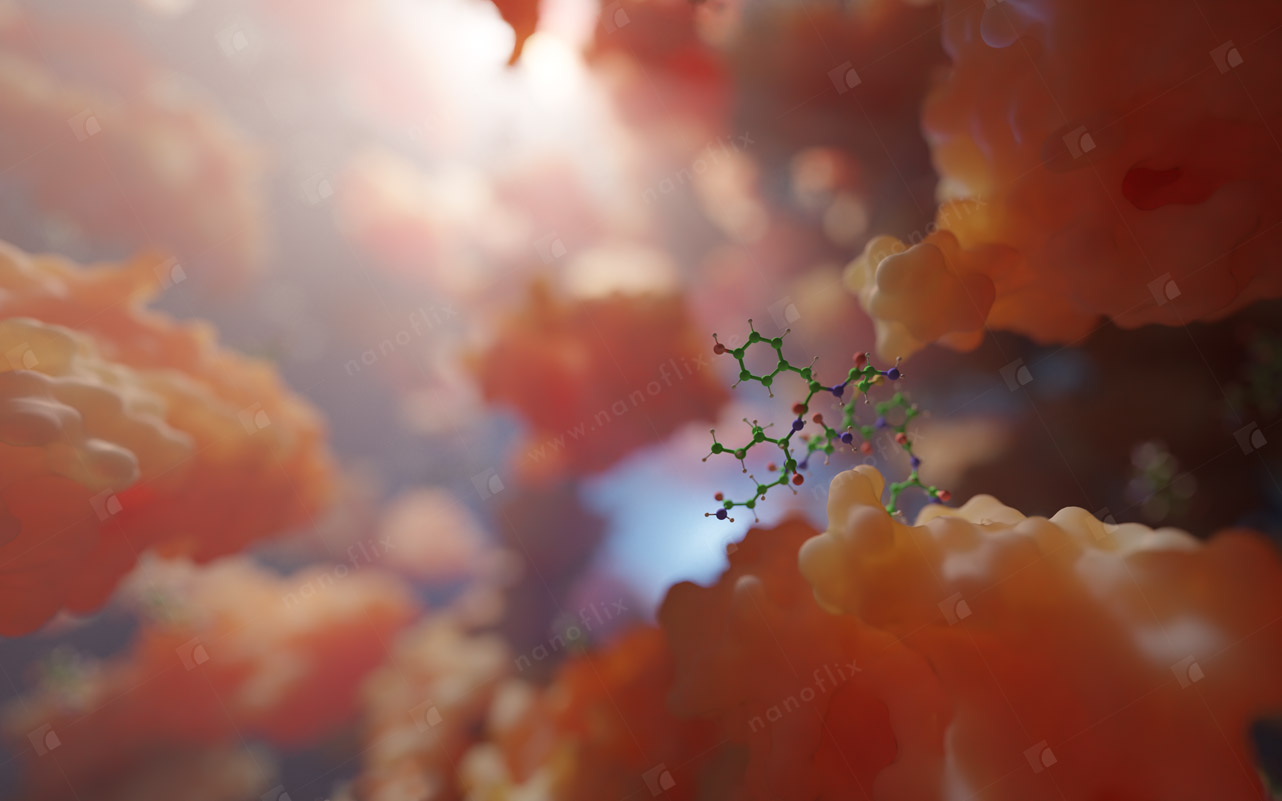
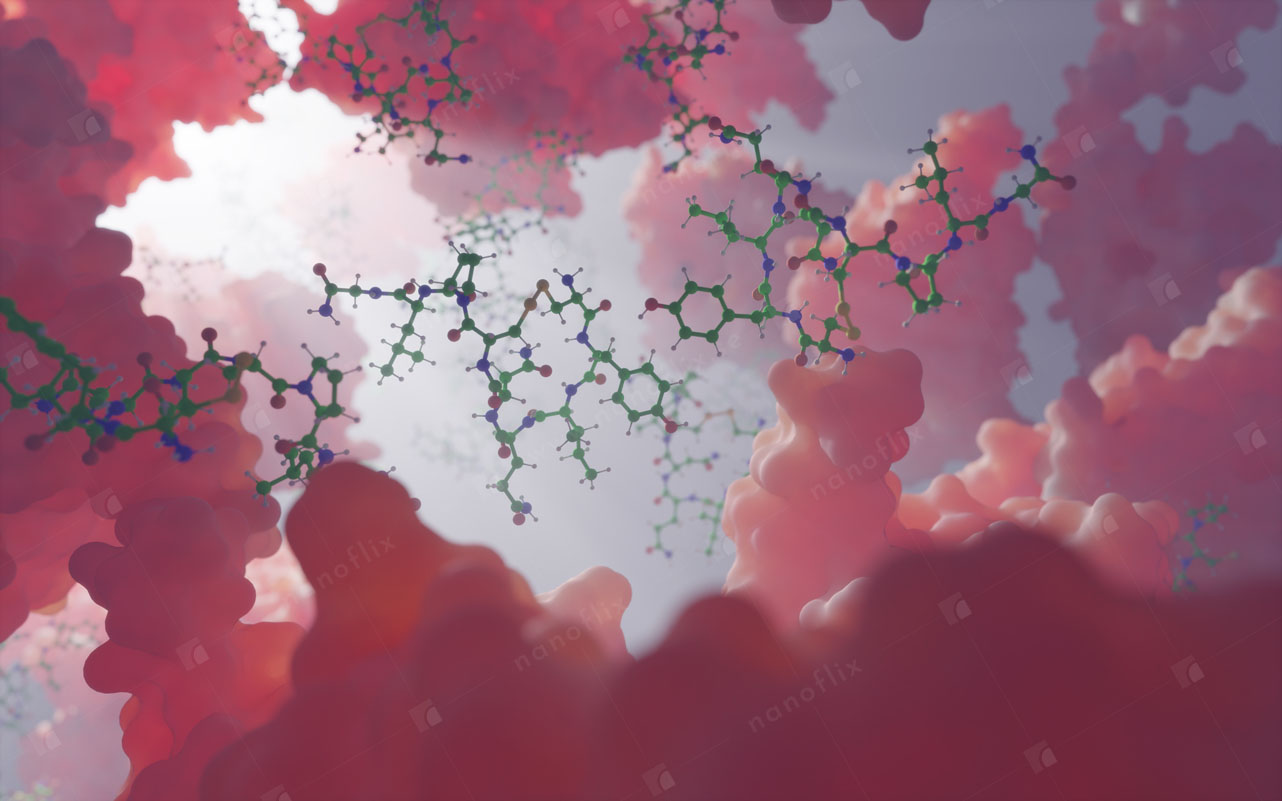
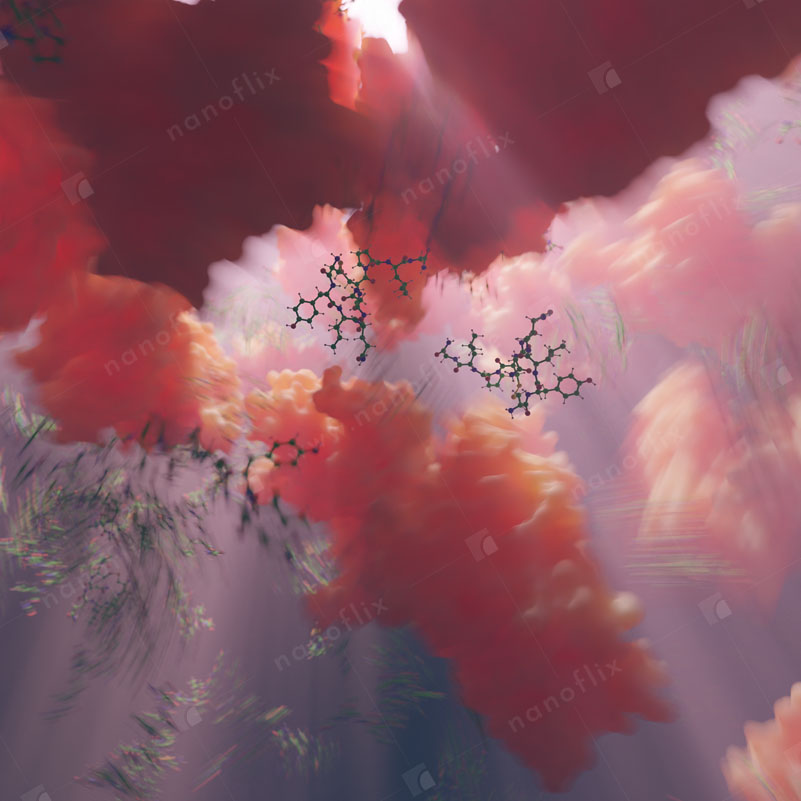
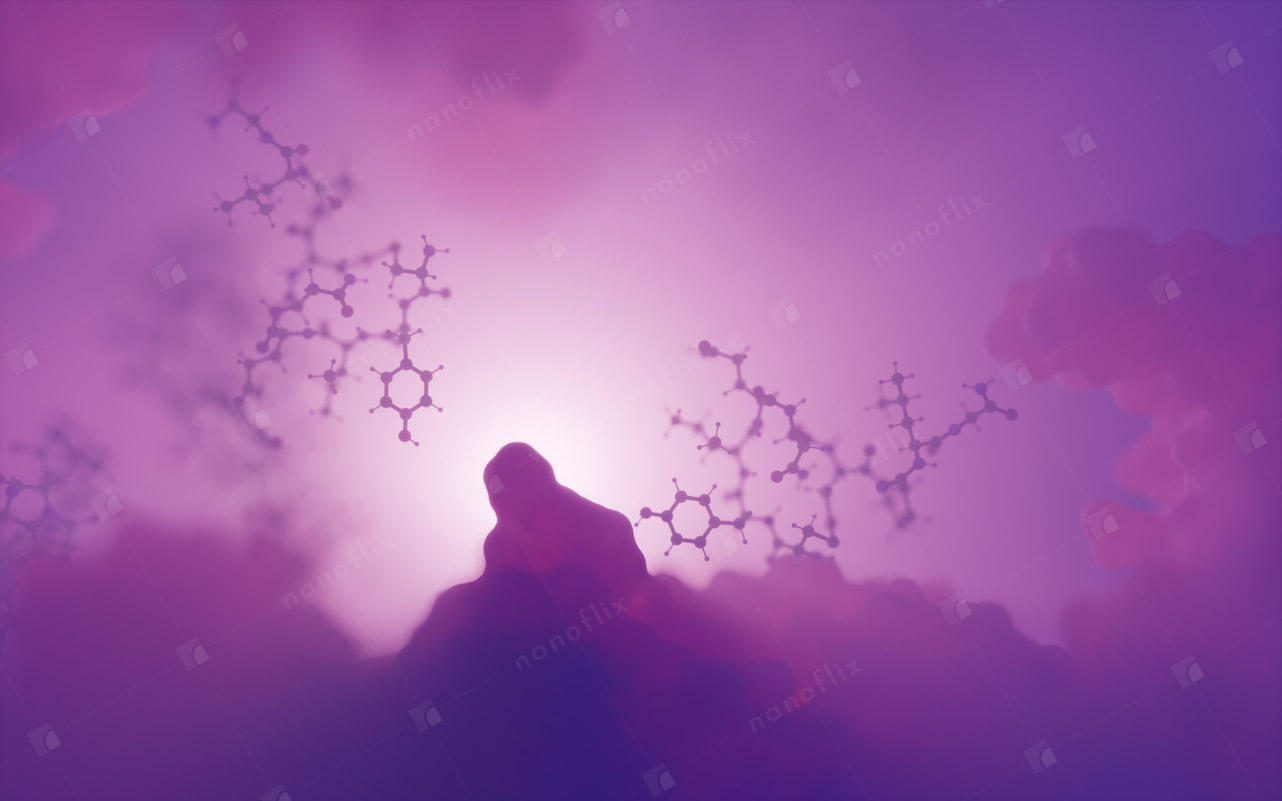
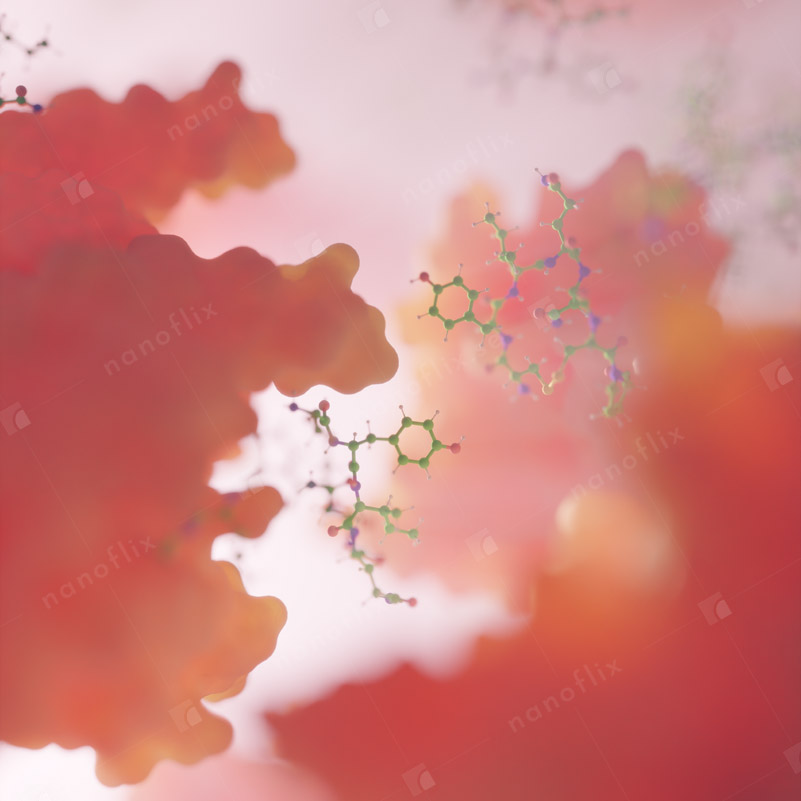
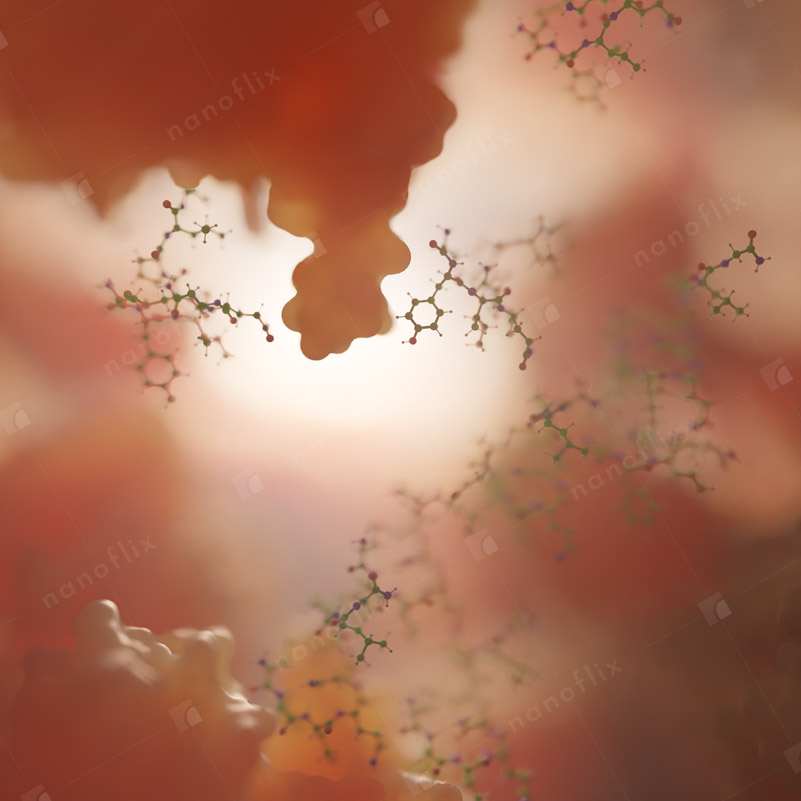
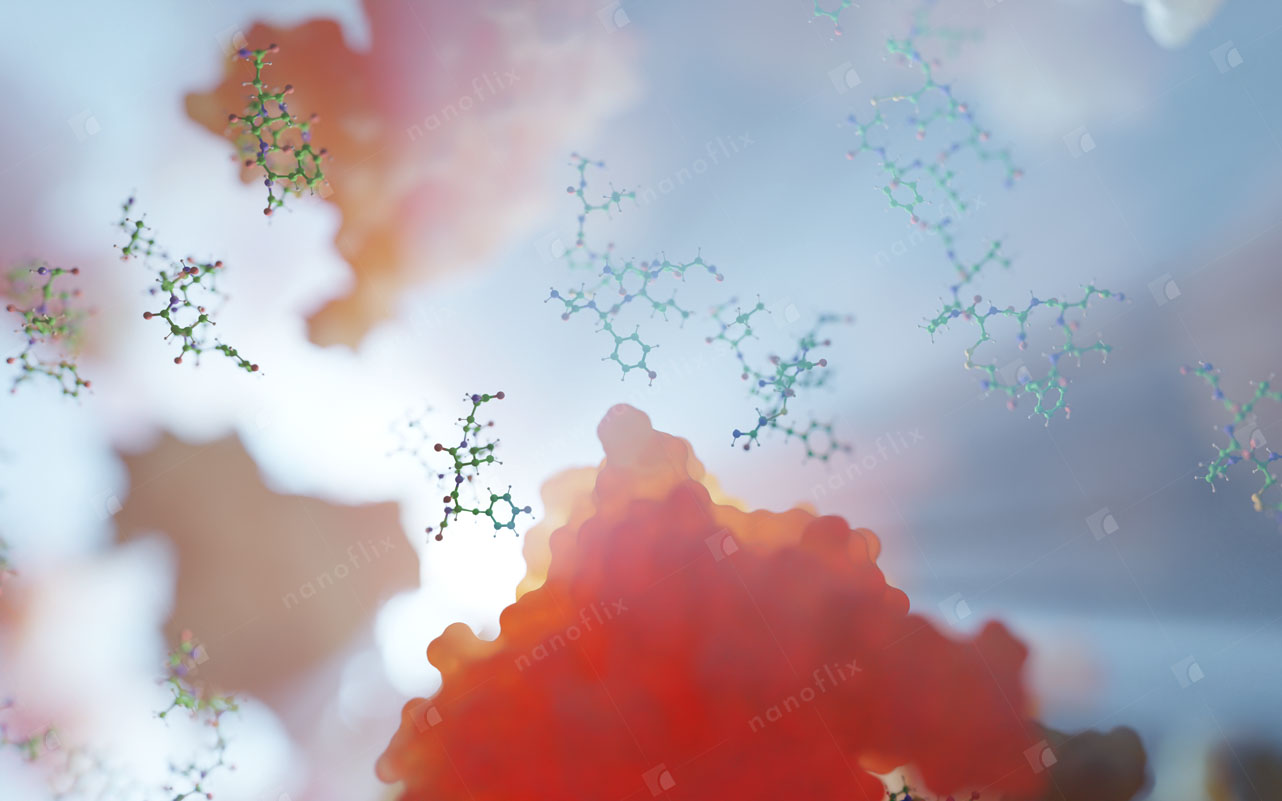
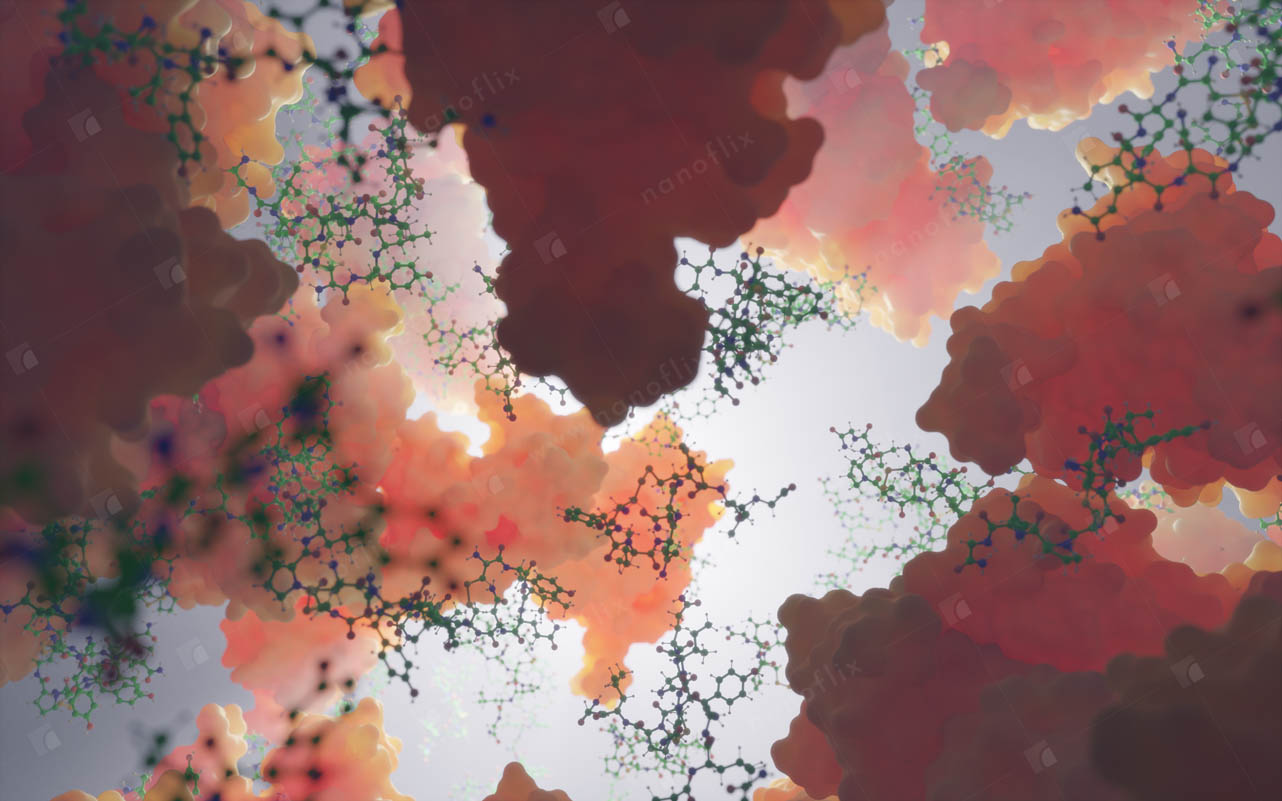
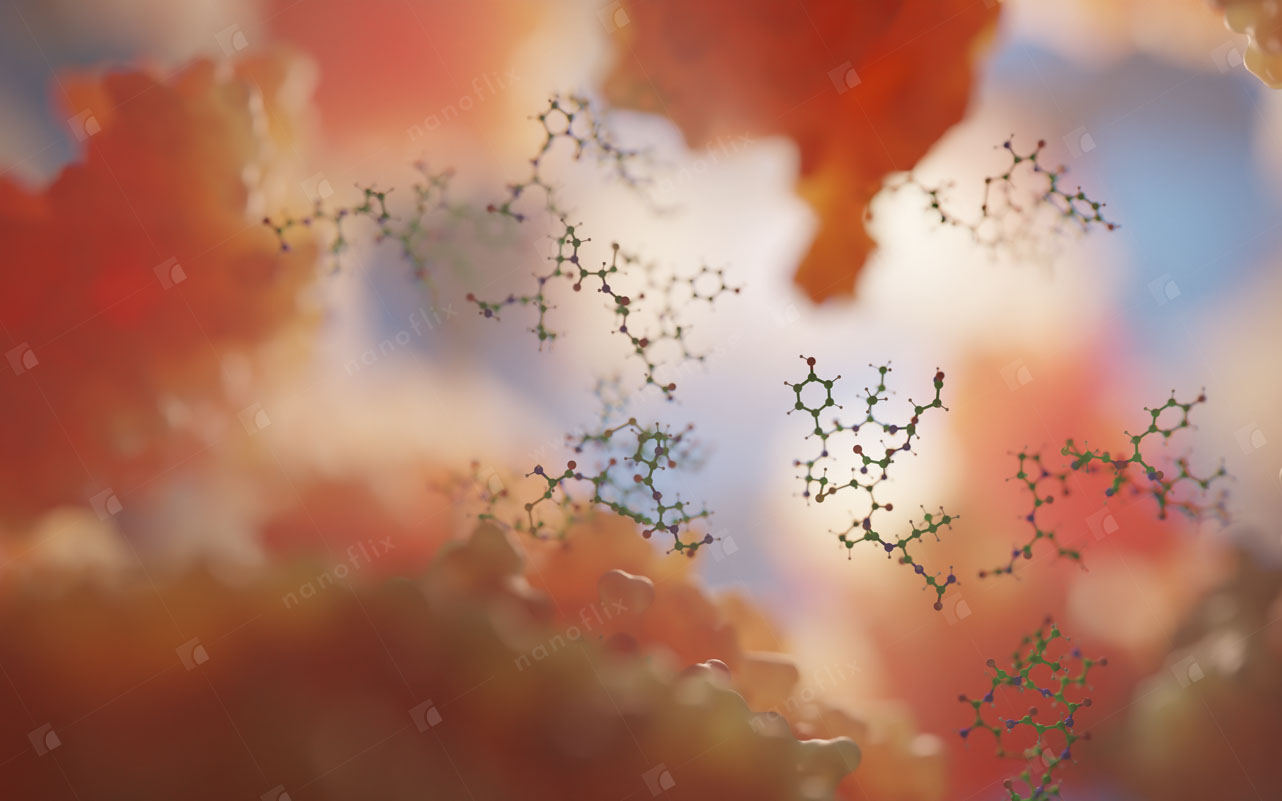
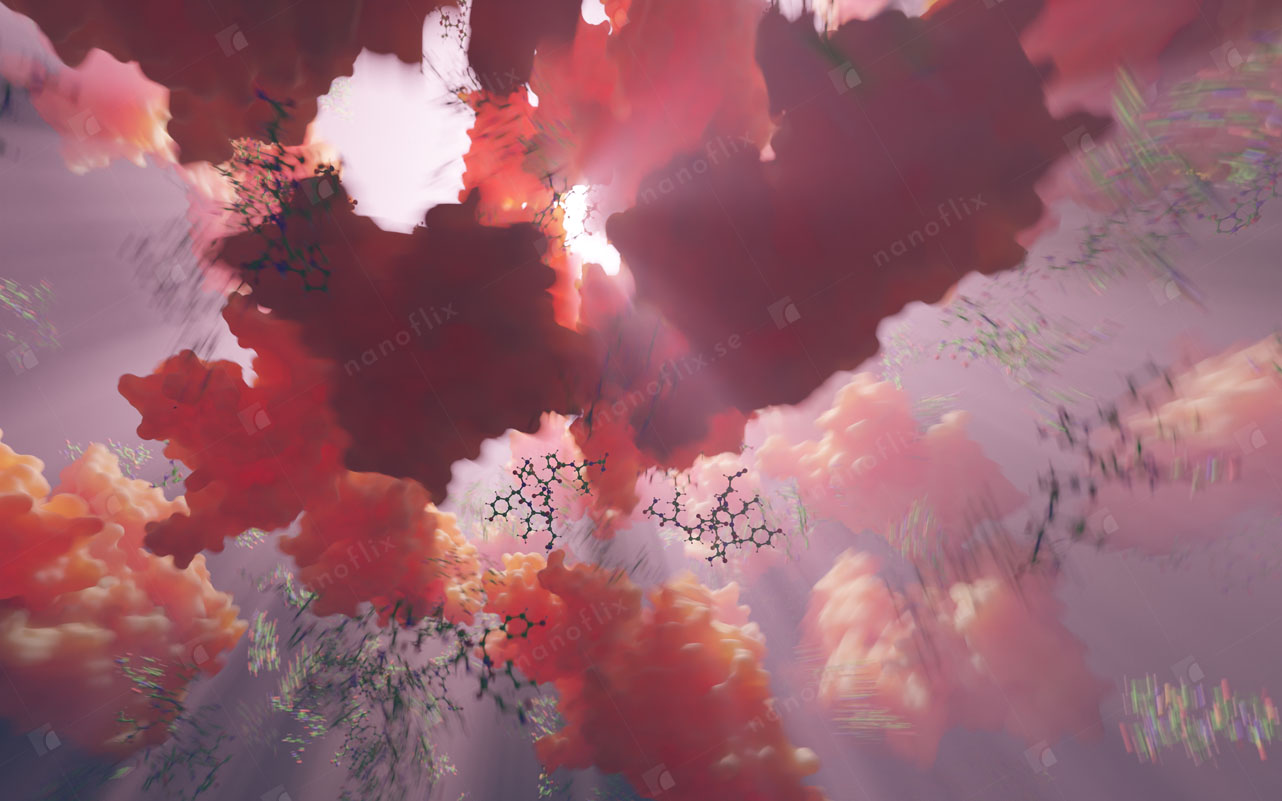
Oxytocin is implicated in the mother-baby relationships, and in the very action of falling in love. You might say that it adds a whole new meaning to the phrase “chemical bonding”.
Because oxytocin reduces fear and promotes trust, scientists have studied people playing “investment games”, in which subjects were asked to give money to a trustee to invest on their behalf. Subjects who had inhaled oxytocin from a nasal spray were found to show greater levels of trust than control groups. Indeed subjects whose trust had been abused in the game were able to “forgive and forget” if they had received oxytocin. Scientists now think that oxytocin might be able to help people with autism and people who suffers from shyness.
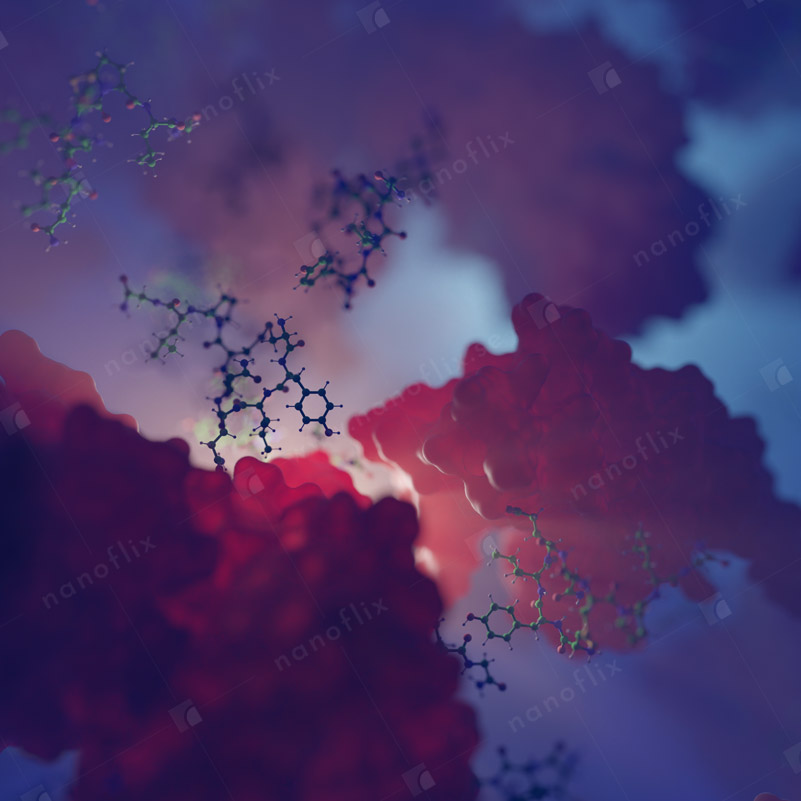
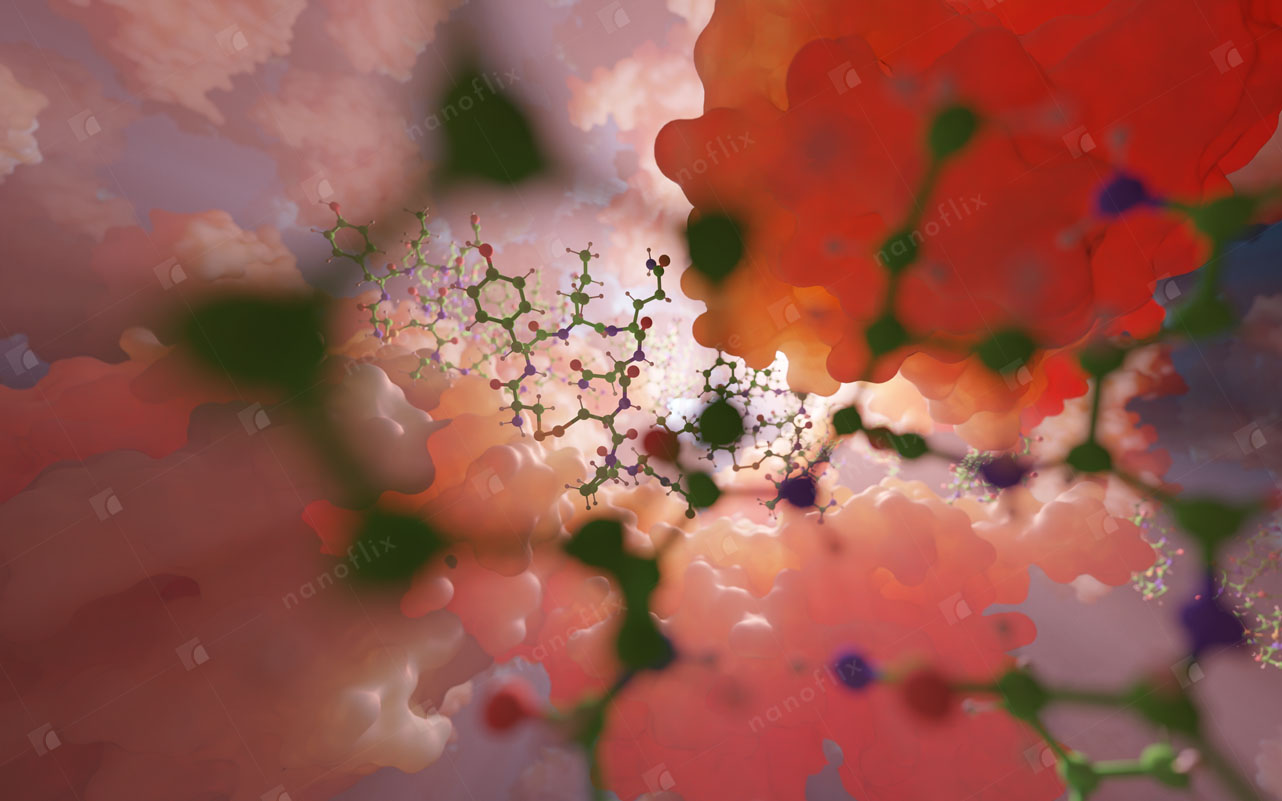
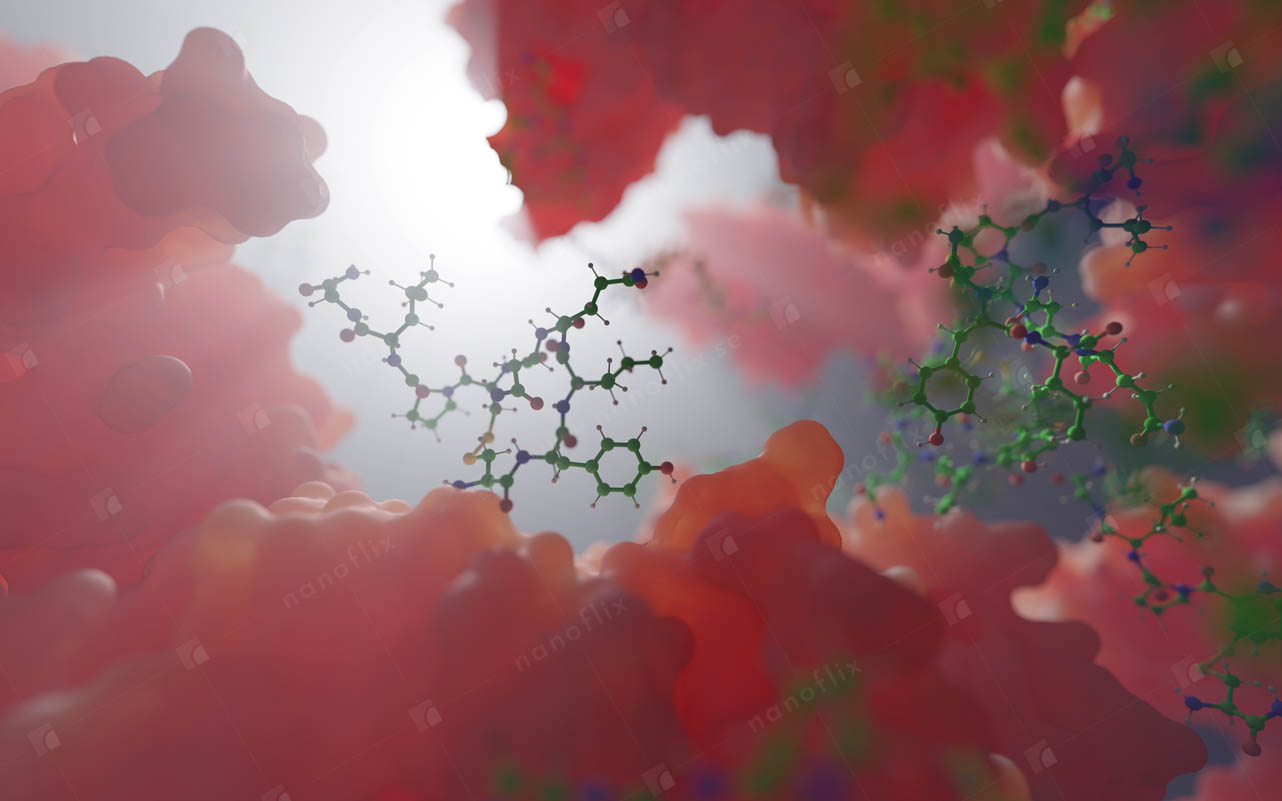
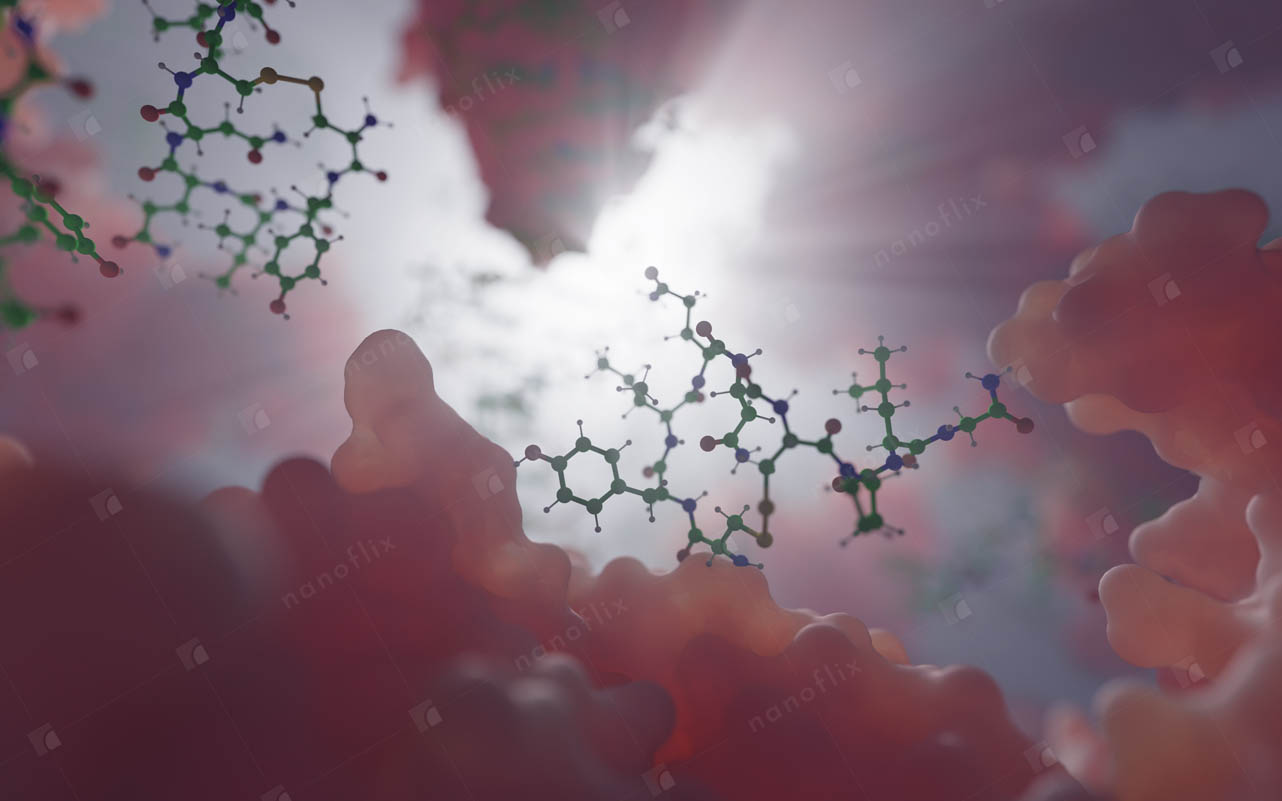
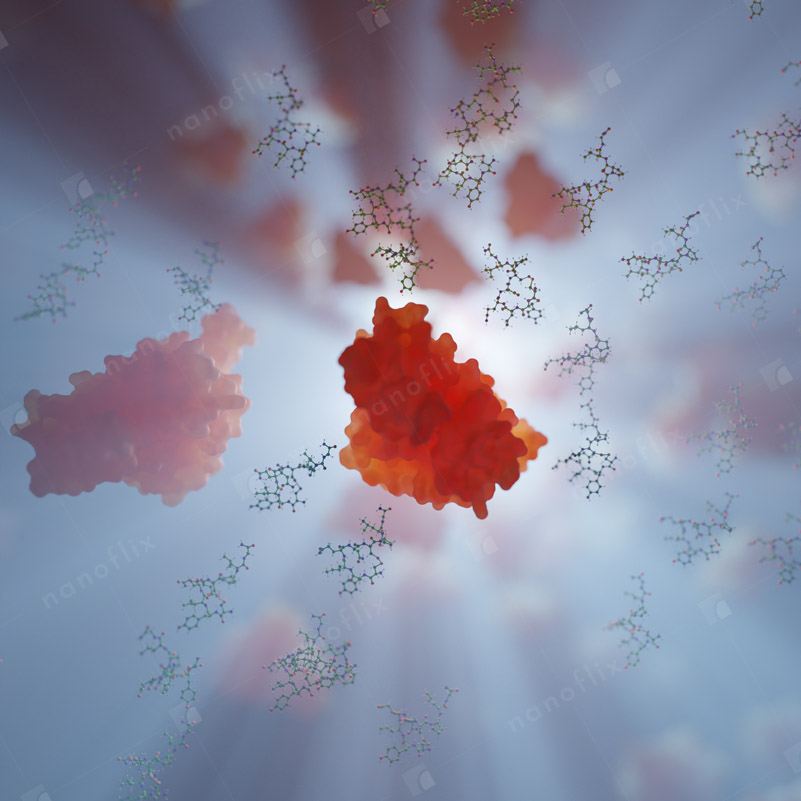
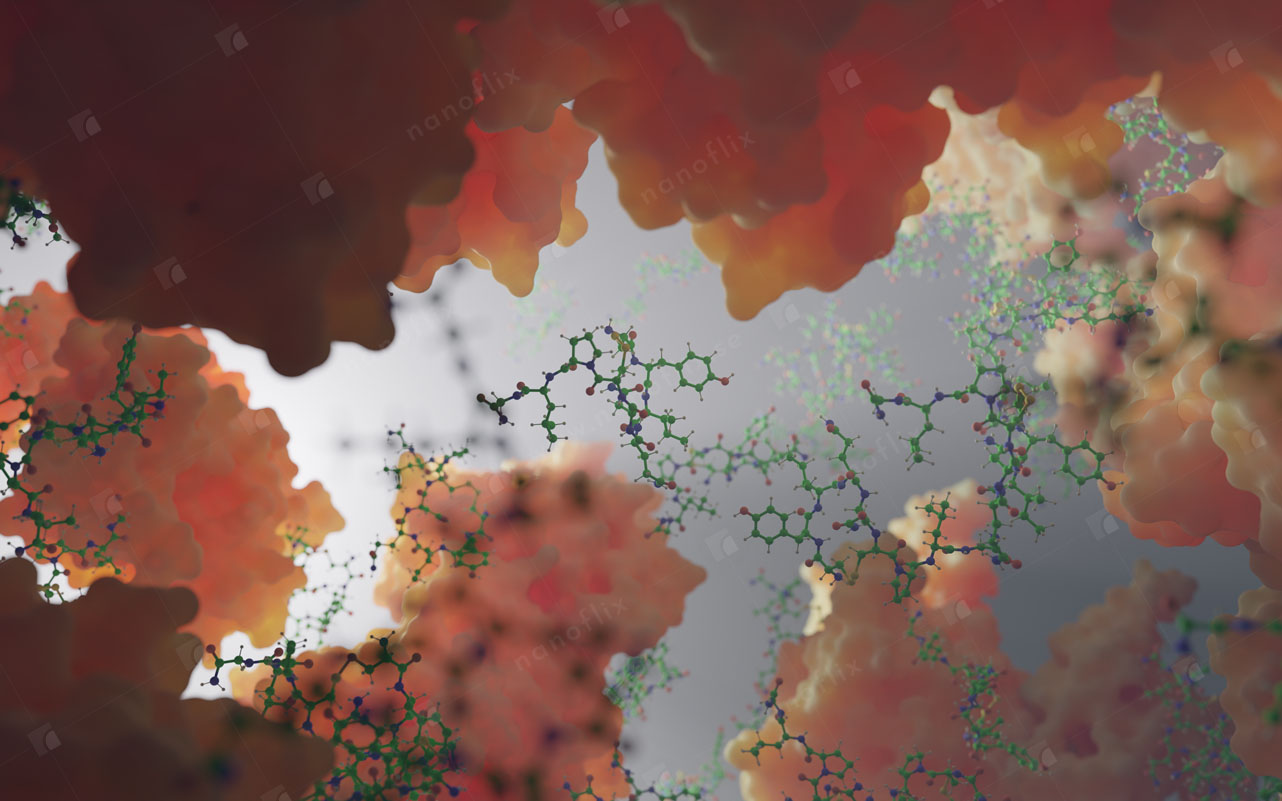
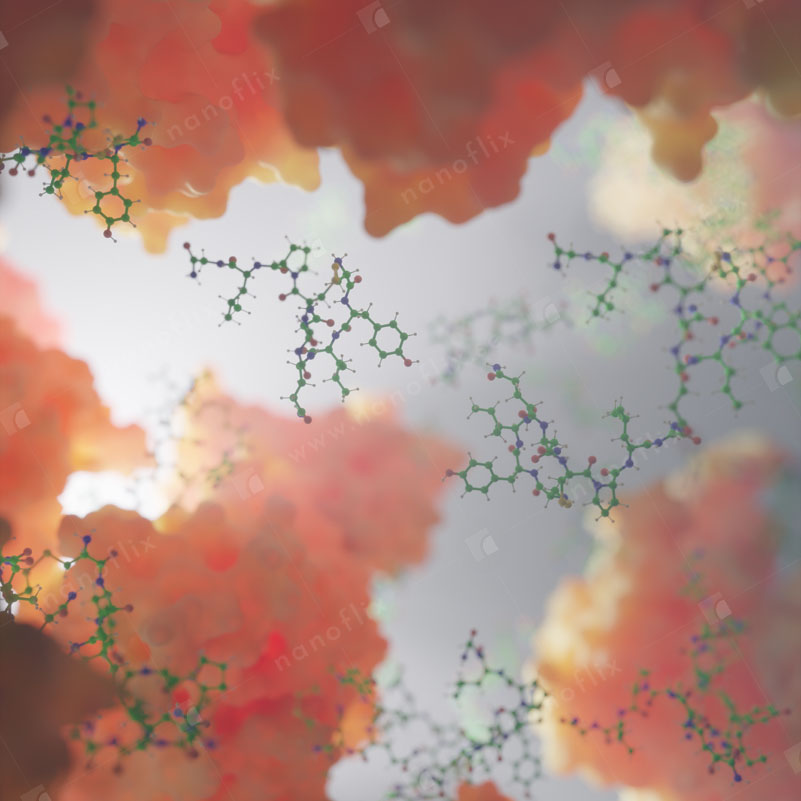
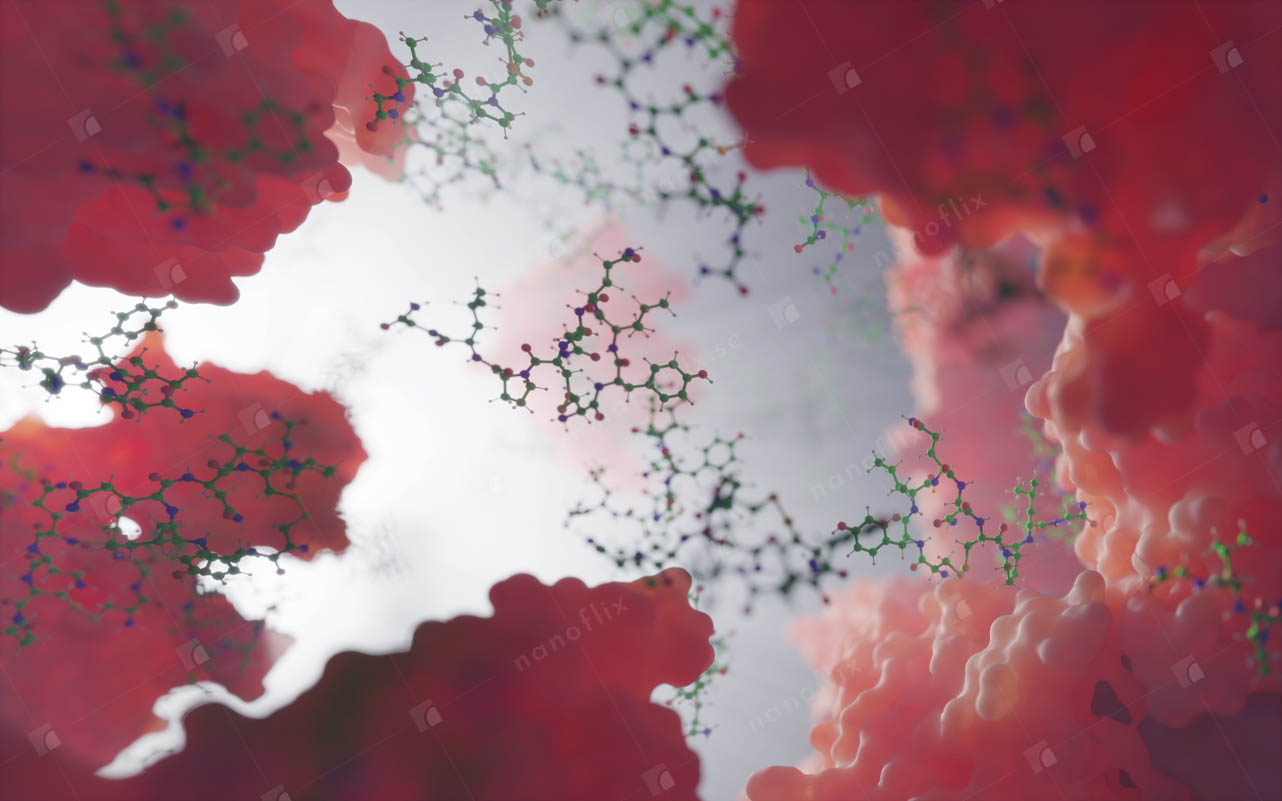
Now, Haruhito Higashida at Kanazawa University (Japan), Satoshi Shito at Hokkaido University (Sapporo, Japan), and colleagues are exploring oxytocin derivatives to develop longer lasting, more potent drugs to combat autism and depression.
-
- © 2021 Nanoflix/Jakob Hall
-
- © 2021 Nanoflix/Jakob Hall
-
- © 2021 Nanoflix/Jakob Hall
-
- © 2021 Nanoflix/Jakob Hall
-
- © 2021 Nanoflix/Jakob Hall
-
- © 2021 Nanoflix/Jakob Hall
-
- © 2021 Nanoflix/Jakob Hall
-
- © 2021 Nanoflix/Jakob Hall
-
- © 2021 Nanoflix/Jakob Hall
-
- © 2021 Nanoflix/Jakob Hall
-
- © 2021 Nanoflix/Jakob Hall
-
- © 2021 Nanoflix/Jakob Hall
-
- © 2021 Nanoflix/Jakob Hall
-
- © 2021 Nanoflix/Jakob Hall
-
- © 2021 Nanoflix/Jakob Hall
-
- © 2021 Nanoflix/Jakob Hall
-

- © 2021 Nanoflix/Jakob Hall
-
- © 2021 Nanoflix/Jakob Hall